
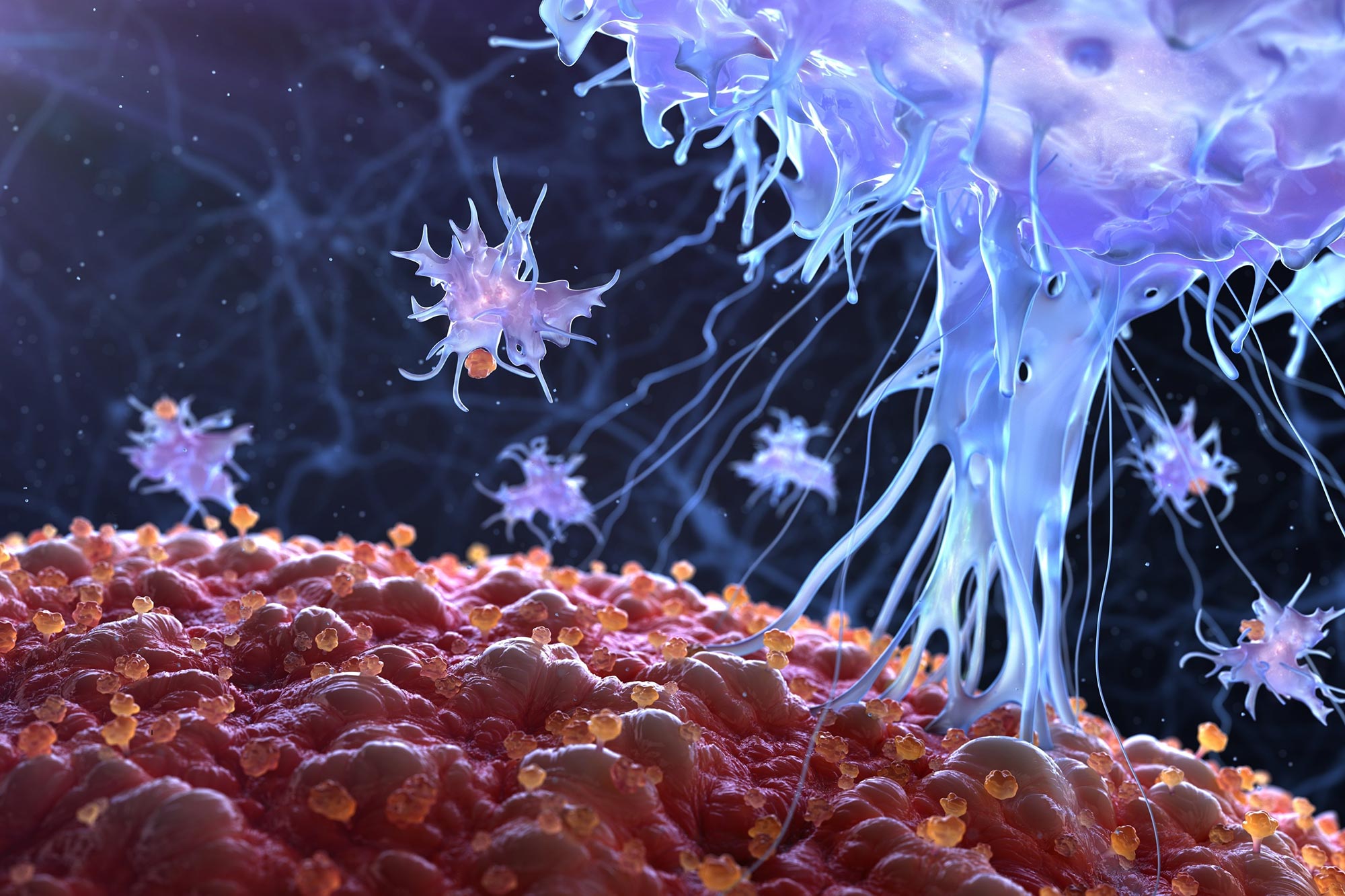
Trinity College Dublin scientists showed that electrical stimulation reprograms macrophages to reduce inflammation and boost healing. This breakthrough could lead to broad therapeutic uses.
Researchers at Trinity College Dublin have shown that applying electrical stimulation to macrophages, key cells of the immune system, can alter their behavior in ways that suppress inflammation and promote faster, more effective healing in both disease and injury.
The discovery opens the door to a promising new therapeutic strategy, although additional studies are needed to fully understand the underlying mechanisms.
Macrophages are a type of white blood cell that play multiple essential roles in immunity. They circulate throughout the body, eliminating pathogens, clearing away dead or damaged cells, and activating other immune cells by signaling them into action when necessary.
At the same time, macrophages can contribute to harmful levels of inflammation if their activity becomes excessive or uncontrolled, sometimes worsening tissue damage rather than repairing it. This dual nature makes them central to many diseases and highlights the importance of developing ways to regulate their function for better patient outcomes.
Testing macrophages with electrical stimulation
In their new study, published in Cell Reports Physical Science, the Trinity researchers examined human macrophages isolated from healthy donor blood supplied through the Irish Blood Transfusion Board at St James’s Hospital. Using a custom-designed bioreactor, they exposed these cells to electrical currents and closely monitored the changes that followed.
The researchers found that electrical stimulation shifted macrophages into an anti-inflammatory state that encourages faster tissue repair. They observed reduced activity of inflammatory markers (signalling molecules), along with greater expression of genes that drive the growth of new blood vessels, which are essential as tissues regenerate. The stimulation also boosted the recruitment of stem cells into wounds, further supporting the repair process.
Reprogramming immune cells for healing
“We have known for a very long time that the immune system is vital for repairing damage in our body and that macrophages play a central role in fighting infection and guiding tissue repair,” said Dr Sinead O’Rourke, Research Fellow in Trinity’s School of Biochemistry and Immunology, and first author of the research article.
“As a result, many scientists are exploring ways to ‘reprogram’ macrophages to encourage faster, more effective healing in disease and to limit the unwanted side-effects that come with overly aggressive inflammation. And while there is growing evidence that electrical stimulation may help control how different cells behave during wound healing, very little was known about how it affects human macrophages prior to this work.”
Towards new therapeutic applications
“We are really excited by the findings. Not only does this study show for the first time that electrical stimulation can shift human macrophages to suppress inflammation, we have also demonstrated increased ability of macrophages to repair tissue, supporting electrical stimulation as an exciting new therapy to boost the body’s own repair processes in a huge range of different injury and disease situations.”
The findings from the interdisciplinary team led by Trinity investigators, Professor Aisling Dunne (School of Biochemistry and Immunology) and Professor Michael Monaghan (School of Engineering) is especially significant given that this work was performed with human blood cells (showing its effectiveness for real patients), electrical stimulation is relatively safe and easy in the scheme of therapeutic options, and the outcomes should be applicable to a wide range of scenarios.
Corresponding author Prof. Monaghan added: “Among the future steps are to explore more advanced regimes of electrical stimulation to generate more precise and prolonged effects on inflammatory cells and to explore new materials and modalities of delivering electric fields. This concept has yielded compelling effects in vitro and has huge potential in a wide range of inflammatory diseases.”
Reference: “Electromodulation of human monocyte-derived macrophages drives a regenerative phenotype and impedes inflammation” by Sinead A. O’Rourke, Meenakshi Suku, Stéphane Petrousek, David A. Hoey, Aisling Dunne and Michael G. Monaghan, 2 September 2025, Cell Reports Physical Science.
DOI: 10.1016/j.xcrp.2025.102795
Funding: Trinity College Dublin Faculty of Science, Technology, Engineering and Mathematics (STEM) Intrafaculty PhD Award, EPSRC, and Research Ireland Centre for Doctoral Training in Engineered Tissues for Discovery, Industry and Medicine, Research Ireland, European Research Council
Never miss a breakthrough: Join the SciTechDaily newsletter.
Follow us on Google and Google News.