Close Menu
    Facebook X (Twitter) Instagram
    SciTechDaily
    • Biology
    • Chemistry
    • Earth
    • Health
    • Physics
    • Science
    • Space
    • Technology
    Facebook X (Twitter) Pinterest YouTube RSS
    SciTechDaily
    Home»Space»See NASA’s OSIRIS-REx Spacecraft Release the Sample Return Capsule 63,000 Miles From Earth
    Space

    See NASA’s OSIRIS-REx Spacecraft Release the Sample Return Capsule 63,000 Miles From Earth

    By NASAOctober 4, 2023No Comments3 Mins Read
    Facebook Twitter Pinterest Telegram LinkedIn WhatsApp Email Reddit
    Share
    Facebook Twitter LinkedIn Pinterest Telegram Email Reddit
    OSIRIS-REx Sample Return Capsule Attached
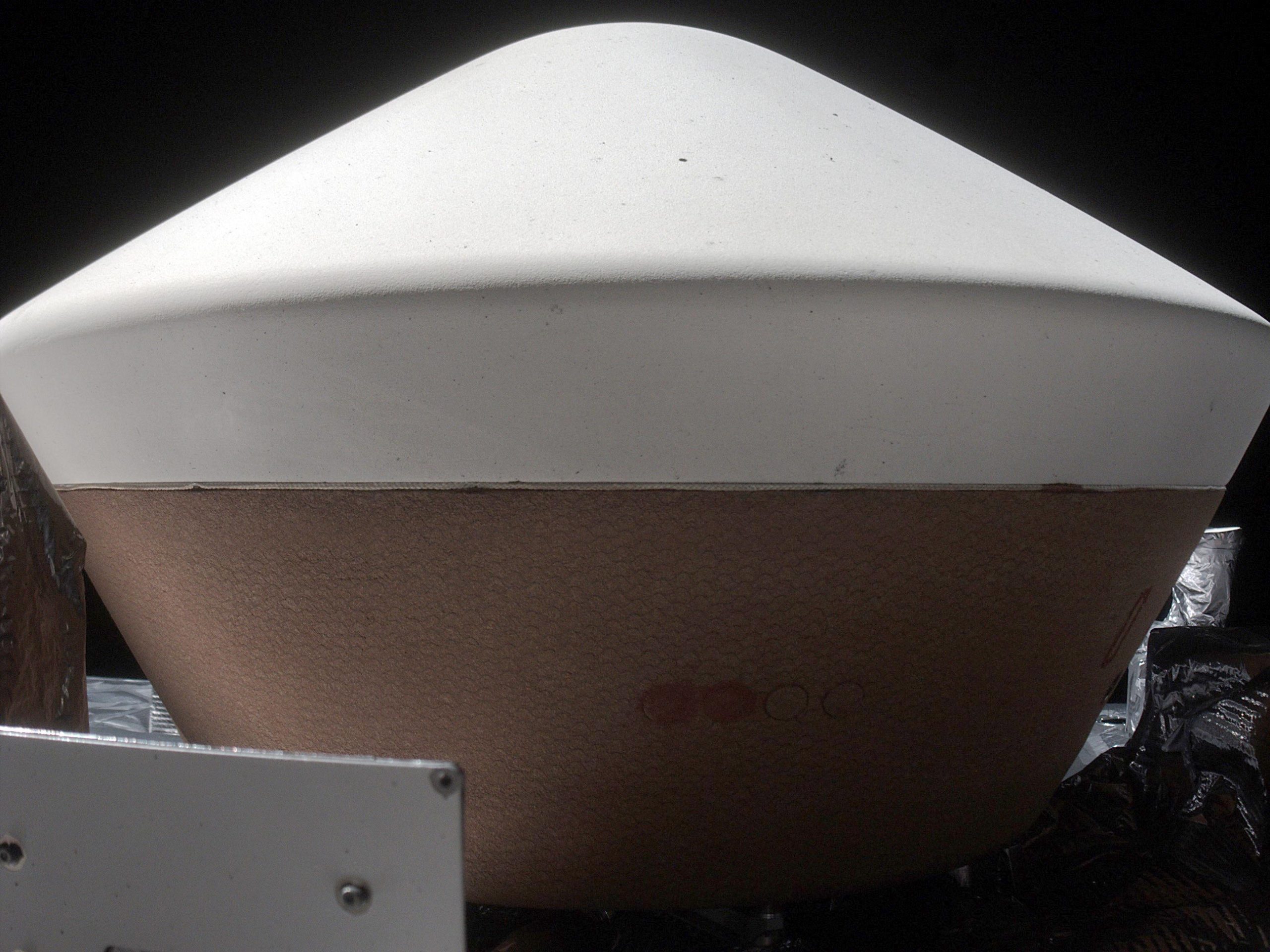
    This image of the OSIRIS-REx sample return capsule still attached to the spacecraft’s instrument deck was captured by the spacecraft’s StowCam camera on September 23 at 10:37:55 a.m. EDT (14:37:55 UTC), less than 24 hours before the capsule’s release. StowCam, a color imager, is one of three cameras comprising TAGCAMS (the Touch-and-Go Camera System), which is part of OSIRIS-REx’s guidance, navigation, and control system. TAGCAMS was designed, built, and tested by Malin Space Science Systems; Lockheed Martin integrated TAGCAMS to the OSIRIS-REx spacecraft and operates TAGCAMS. Credit: NASA/Goddard/University of Arizona/Lockheed Martin

    After years of anticipation and hard work by NASA’s OSIRIS-REx (Origins, Spectral Interpretation, Resource Identification and Security – Regolith Explorer) team, a capsule of rocks and dust collected from asteroid Bennu returned to Earth on September 24 in a targeted area of the Department of Defense’s Utah Test and Training Range near Salt Lake City.

    OSIRIS-REx Sample Return Capsule Descent
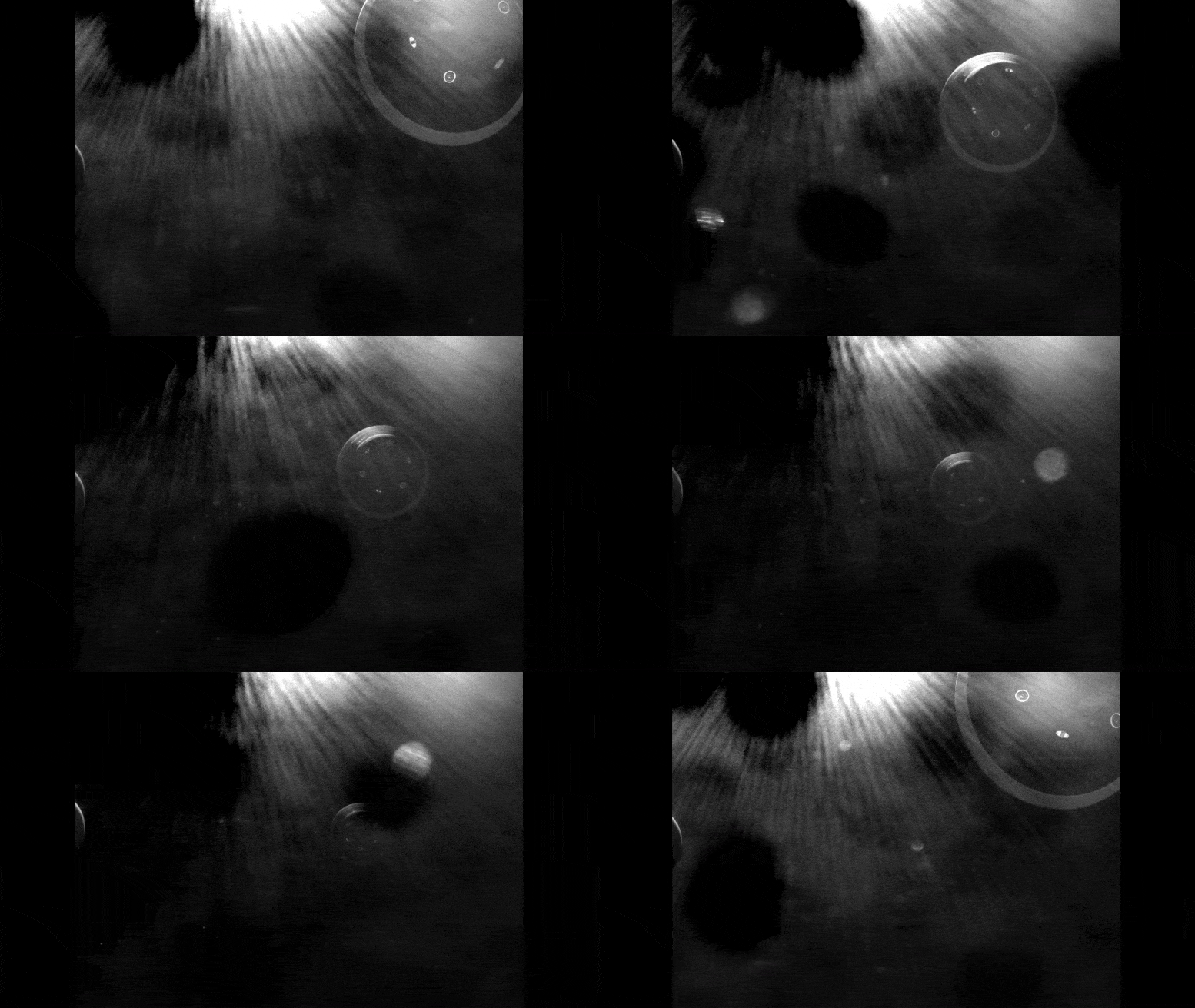
    This black-and-white sequence of OSIRIS-REx’s sample return capsule descent toward Earth comes from TAGCAMS’s NavCam 1 and was taken in the moments after the capsule’s release from the spacecraft on September 24, 2023. The Sun is visible at the top of the frame, and a thin “crescent Earth” can be seen at the left edge of the image. OSIRIS-REx’s NavCams are used for optical navigation of the spacecraft. NavCam images tracked star-fields and landmarks on Bennu to determine the spacecraft’s position during mission operations. This sequence of images has been processed to remove most of the scattered sunlight, bring out more detail of the capsule and release debris cloud, and prevent the Earth crescent from saturating. Credit: NASA/Goddard/University of Arizona/Lockheed Martin

    A few hours before the landing, OSIRIS-REx took some of its final views of its own sample return capsule. Doppler data confirmed that the spacecraft released its sample capsule toward Earth as planned, from 63,000 miles (101,000 kilometers) of Earth’s surface – about one-third the distance from Earth to the Moon.

    OSIRIS-REx Sample Return Landing
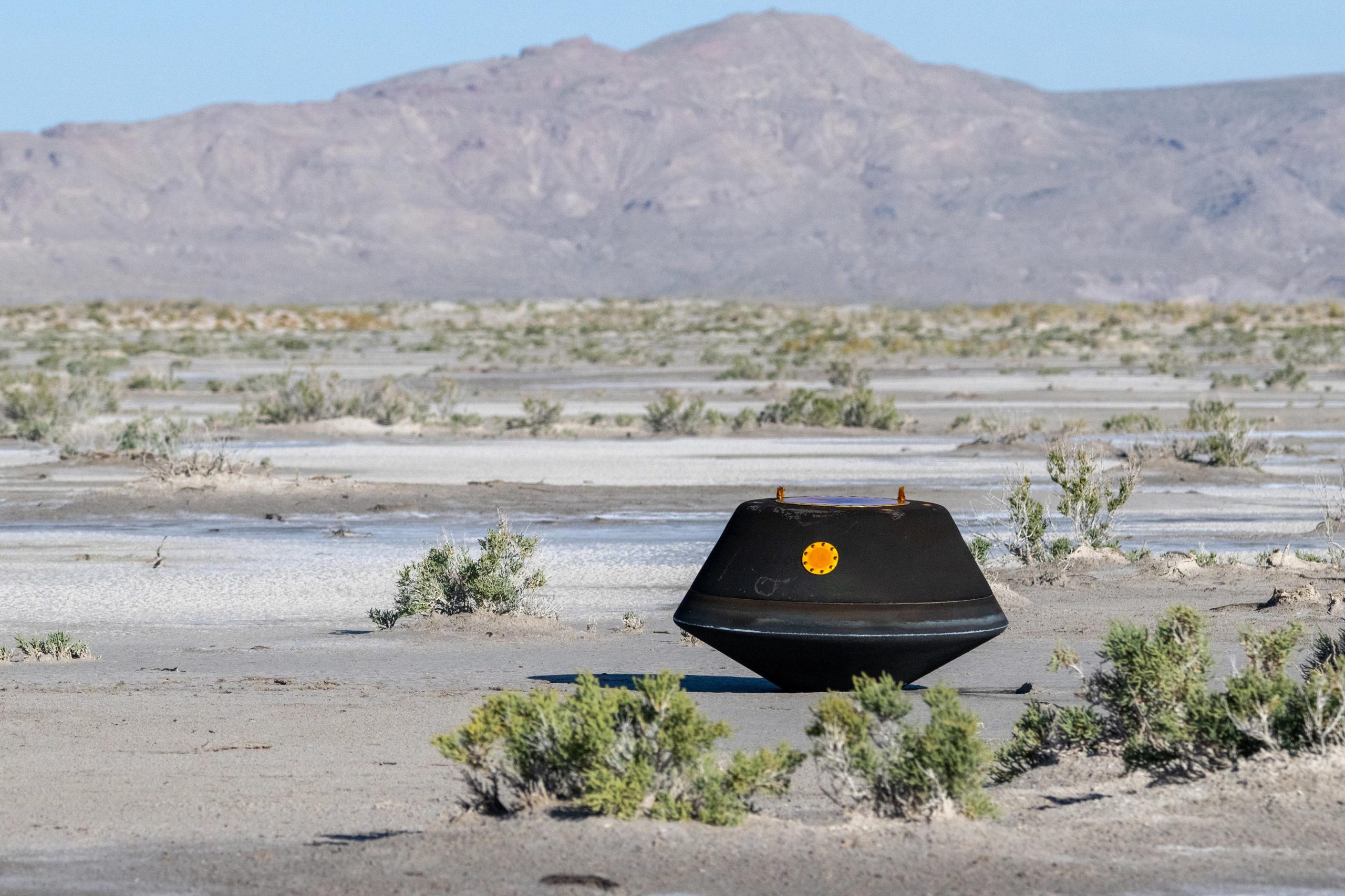
    Charred from its journey through Earth’s atmosphere, the OSIRIS-REx sample return capsule is shown here shortly following its landing on September 24 in Utah’s Great Salt Lake Desert. Shortly after this photo was taken, the capsule was transported to a temporary clean room at the Department of Defense’s Utah Test and Training Range, and then flown on September 26 to Houston and transported to NASA’s Johnson Space Center there. Credit: NASA/Keegan Barber

    Following a flight aboard a U.S. Air Force C-17 aircraft on September 26, the OSIRIS-REx sample return capsule was taken into a customized clean room at NASA’s Johnson Space Center in Houston. Meanwhile, the OSIRIS-APEX spacecraft – on a new mission with a new name – is on a course toward asteroid Apophis, which it will reach in 2029.

    Never miss a breakthrough: Join the SciTechDaily newsletter.
    Follow us on Google and Google News.

    NASA OSIRIS-REx Popular
    Share. Facebook Twitter Pinterest LinkedIn Email Reddit

    Related Articles

    Building Blocks of Life? NASA Reveals 4.5-Billion-Year-Old Asteroid Bennu Sample

    History Is Made: NASA’s First Asteroid Sample Has Landed, Now Secure in Clean Room

    A Billion-Mile Journey: OSIRIS-REx’s Meteoric Return With a Space Rock Treasure

    Countdown to History: NASA’s OSIRIS-REx Preps for Epic Asteroid Delivery

    NASA’s OSIRIS-REx Will Deliver 4.5 Billion-Year-Old Asteroid Samples to Specially Designed Facility

    A Race Against Time: NASA Readies for Historic Asteroid Sample Delivery

    NASA Finds Some Asteroids Aged Early by Sun – “We Were Surprised”

    Surprise – Again! NASA Spacecraft Reveals Asteroid Bennu Is Not What It Seemed

    NASA’s OSIRIS-REx Spacecraft Observes Asteroid Bennu’s Boulder “Body Armor”

    Leave A Reply Cancel Reply

    • Facebook
    • Twitter
    • Pinterest
    • YouTube

    Don't Miss a Discovery

    Subscribe for the Latest in Science & Tech!

    Trending News

    This Copper Drug Clears Alzheimer’s Brain Toxins and Boosts Memory

    Adults Over 65 Lost Massive Amounts of Weight With Ozempic

    How Flocking Birds “Defy” One of Physics’ Most Fundamental Laws

    Physicists Create a New Kind of Schrödinger’s Cat State From Exotic Quantum Building Blocks

    Your Diet Could Be Missing the Key Ingredient for Heart Protection

    Researchers Warn Widely Prescribed Blood Pressure Drugs Could Be Harming Diabetic Kidneys

    James Webb Spots Something Strange Between Day and Night on an Alien Planet

    How Ancient People Moved a 6-Ton Stone 700 Kilometers to Stonehenge

    Follow SciTechDaily
    • Facebook
    • Twitter
    • YouTube
    • Pinterest
    • Newsletter
    • RSS
    SciTech News
    • Biology News
    • Chemistry News
    • Earth News
    • Health News
    • Physics News
    • Science News
    • Space News
    • Technology News
    Recent Posts
    • The Surprising Fix for Robot Traffic Jams
    • Near Absolute Zero, This Transistor Starts Acting Like a Brain Cell
    • Beyond DNA: Scientists Discover Inheritance That Breaks the Rules of Genetics
    • A Surprising Discovery Challenges What Scientists Thought DNA Methylation Was For
    • This New DNA Test Solves Rare Disease Mysteries That Standard Genetics Misses
    Copyright © 1998 - 2026 SciTechDaily. All Rights Reserved.
    • Science News
    • About
    • Contact
    • Editorial Board
    • Privacy Policy
    • Terms of Use

    Type above and press Enter to search. Press Esc to cancel.