
Close Menu
    Facebook X (Twitter) Instagram
    SciTechDaily
    • Biology
    • Chemistry
    • Earth
    • Health
    • Physics
    • Science
    • Space
    • Technology
    Facebook X (Twitter) Pinterest YouTube RSS
    SciTechDaily
    Home»Health»“Shocking” Findings – Scientists Discover How Stress Triggers Cancer’s Spread
    Health

    “Shocking” Findings – Scientists Discover How Stress Triggers Cancer’s Spread

    By Cold Spring Harbor LaboratoryFebruary 26, 20244 Comments4 Mins Read
    Facebook Twitter Pinterest Telegram LinkedIn WhatsApp Email Reddit
    Share
    Facebook Twitter LinkedIn Pinterest Telegram Email Reddit
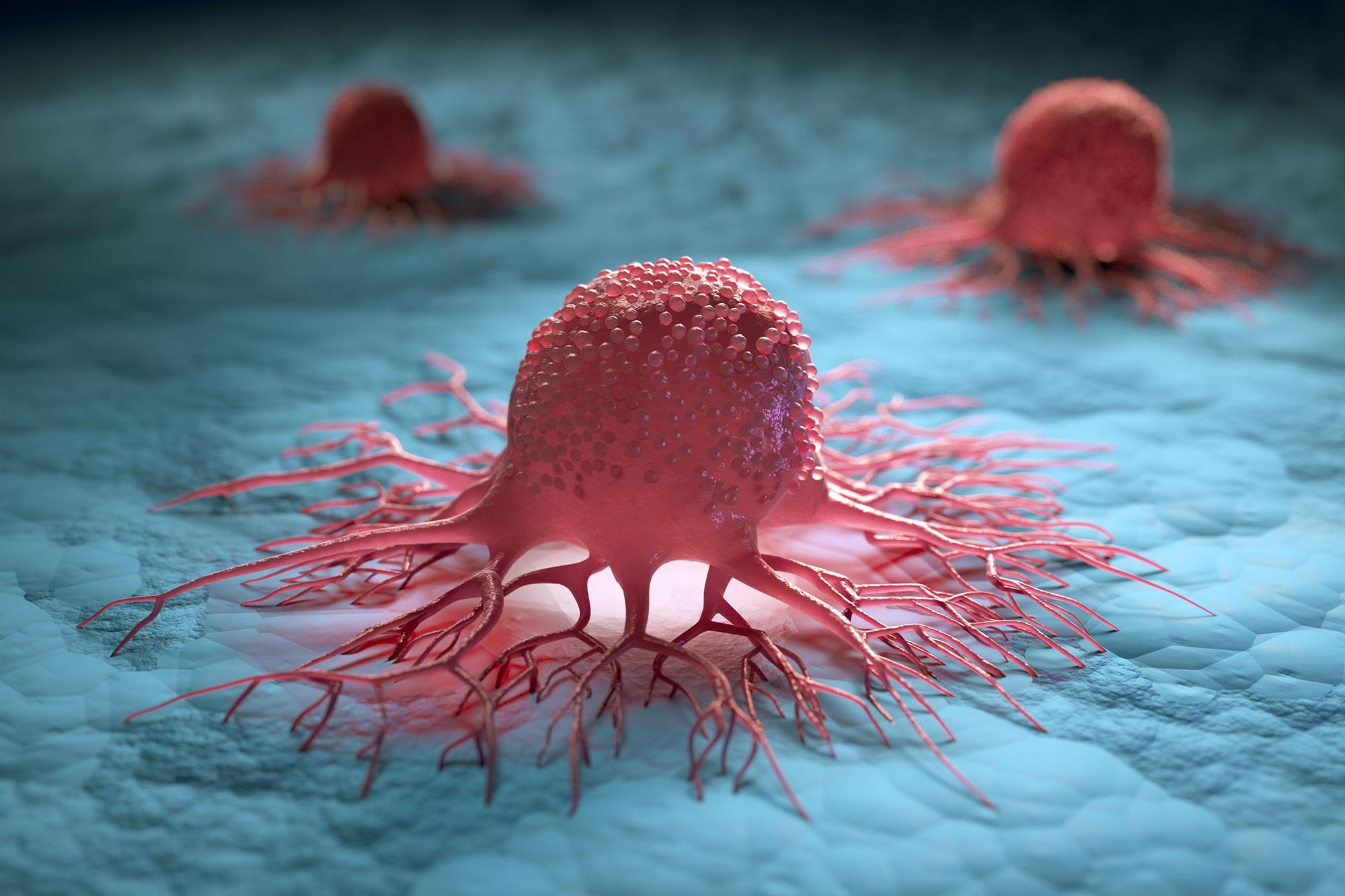
    Cancer Cells Illustration
    New research reveals that stress promotes cancer metastasis by causing neutrophils to form structures that facilitate the disease’s spread. This finding highlights the importance of incorporating stress reduction into cancer treatment and suggests new avenues for preventing cancer metastasis through targeted therapies.

    Stress is an unavoidable aspect of life. However, excessive stress can have detrimental effects on our health. Prolonged stress elevates the risk of developing heart disease and experiencing strokes. It may also help cancer spread. How this works has remained a mystery—a challenge for cancer care.

    Xue-Yan He, a former postdoc in Cold Spring Harbor Laboratory (CSHL) Adjunct Professor Mikala Egeblad’s lab, says, “Stress is something we cannot really avoid in cancer patients. You can imagine if you are diagnosed, you cannot stop thinking about the disease or insurance or family. So it is very important to understand how stress works on us.”
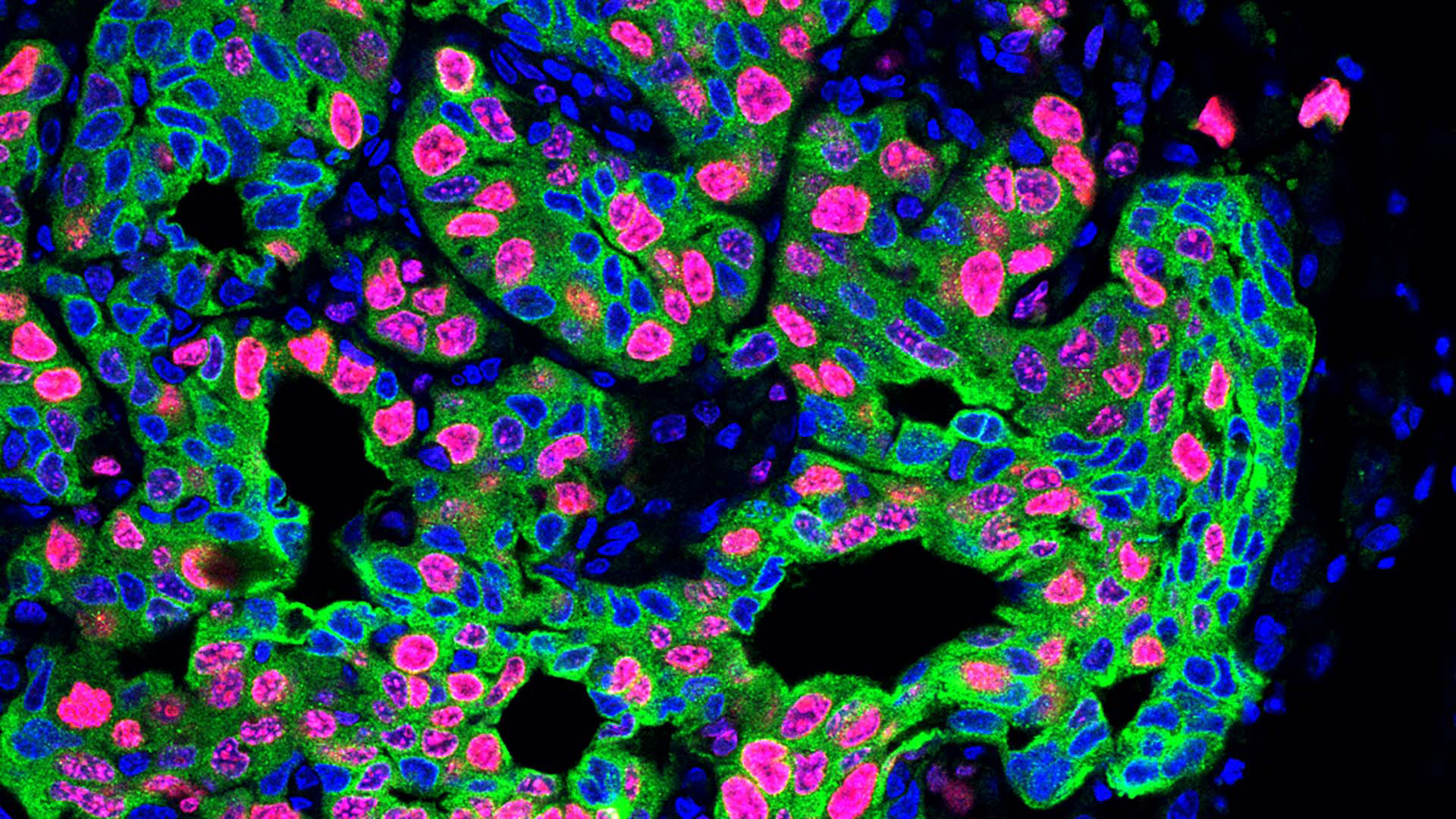
    Lung Cancer Metastasis in a Mouse
    For a recent CSHL Cancer Center study, Adjunct Professor Mikala Egeblad (now a Bloomberg Distinguished Professor with Johns Hopkins University) and postdoc Xue-Yan He (now Assistant Professor of Cell Biology & Physiology at Washington University School of Medicine in St. Louis) teamed with CSHL Professor Linda Van Aelst. Above: lung cancer metastasis in a mouse that underwent experiments designed to simulate the stress that cancer patients experience. Credit: Egeblad lab/Cold Spring Harbor Laboratory

    Now, He and Egeblad may have reached a breakthrough in understanding exactly that. Working with CSHL Professor Linda Van Aelst, they discovered that stress causes certain white blood cells called neutrophils to form sticky web-like structures that make body tissues more susceptible to metastasis. The finding could point to new treatment strategies that stop cancer’s spread before it starts.

    Stress-Induced Metastasis in Mice

    The team arrived at their discovery by mimicking chronic stress in mice with cancer. They first removed tumors that had been growing in mice’s breasts and spreading cancer cells to their lungs. Next, they exposed the mice to stress. What He observed was shocking.

    “She saw this scary increase in metastatic lesions in these animals. It was up to a fourfold increase in metastasis,” Egeblad recalls.

    Cancer Cells in Mice Graphic
    Cancer spread faster and more furiously in stressed mice (middle column) than in a control group (left column). By comparison, cancer cells in stressed mice treated with an enzyme called DNase I (right column) were largely non-proliferating, and the treatment caused a significant reduction in stress-induced metastasis. Credit: Egeblad lab/Cold Spring Harbor Laboratory

    The team found that stress hormones called glucocorticoids acted on the neutrophils. These “stressed” neutrophils formed spider-web-like structures called NETs (neutrophil extracellular traps). NETs form when neutrophils expel DNA. Normally, they can defend us against invading microorganisms. However, in cancer, NETs create a metastasis-friendly environment.

    Potential for New Treatment Strategies

    To confirm that stress triggers NET formation, leading to increased metastasis, He performed three tests. First, she removed neutrophils from the mice using antibodies. Next, she injected a NET-destroying drug into the animals. Lastly, she used mice whose neutrophils couldn’t respond to glucocorticoids. Each test achieved similar results. “The stressed mice no longer developed more metastasis,” He says.

    Notably, the team found that chronic stress caused NET formation to modify lung tissue even in mice without cancer. “It’s almost preparing your tissue for getting cancer,” Egeblad explains.

    To Van Aelst, the implication, though startling, is clear. “Reducing stress should be a component of cancer treatment and prevention,” she says.

    The team also speculates that future drugs preventing NET formation could benefit patients whose cancer hasn’t yet metastasized. Such new treatments could slow or stop cancer’s spread, offering much-needed relief.

    Reference: “Chronic stress increases metastasis via neutrophil-mediated changes to the microenvironment” by Xue-Yan He, Yuan Gao, David Ng, Evdokia Michalopoulou, Shanu George, Jose M. Adrover, Lijuan Sun, Jean Albrengues, Juliane Daßler-Plenker, Xiao Han, Ledong Wan, Xiaoli Sky Wu, Longling S. Shui, Yu-Han Huang, Bodu Liu, Chang Su, David L. Spector, Christopher R. Vakoc, Linda Van Aelst and Mikala Egeblad, 22 February 2024, Cancer Cell.
    DOI: 10.1016/j.ccell.2024.01.013

    The study was funded by the Department of Defense Breast Cancer Research Program, the National Institutes of Health, the American Association for Cancer Research, the Cancer Research Institute, and the German Research Foundation.

    Never miss a breakthrough: Join the SciTechDaily newsletter.
    Follow us on Google and Google News.

    Cancer Cold Spring Harbor Laboratory Metastisis Popular Stress
    Share. Facebook Twitter Pinterest LinkedIn Email Reddit

    Related Articles

    Aspartate Sparks Cancer’s Leap to the Lungs

    Scientists Have Discovered a Simple Supplement That Causes Prostate Cancer Cells To Self-Destruct

    Cancer Breakthrough: A Groundbreaking Solution to Metastasis & Chemotherapy Resistance

    “Paradoxical” – Metastatic Breast Cancer’s Trojan Horse

    Keto Diet: The Dark Side of a Promising Cancer Weapon

    Beware the Splice of Life: This Killer Protein Causes Pancreatic Cancer

    New Research: This Activity Can Reduce the Risk of Metastatic Cancer by 72%

    A New More Effective Cancer Treatment

    Vitamin D Can Help Protect You Against One of the Deadliest Types of Cancer

    4 Comments

    1. Ian Persaud on February 26, 2024 1:30 am

      Why are mice being used in these experiments. no animal should be used for experimentation. Humans need to care for all living things not abuse them for human benefit. We are what we are. We have messed up the planet. Why do we think that we should live beyond what nature has allotted to us? Stop using animals for experiments.

      Reply
      • Amby Villent on February 26, 2024 10:36 am

        I agree, we should not use animals for experimentation, but the alternative is using you. How many mice would you sacrifice to save your life or a loved one from cancer? Destroying other animals for a benefit is nature, and instead you’re demanding to be more humane.

        Reply
    2. Rachel on February 26, 2024 3:31 am

      Bad idea using mice. How are we supposed to trust results from such bad thinkers?

      Reply
    3. Ronnie on February 26, 2024 3:32 am

      This is the best you can do, science?

      Reply
    Leave A Reply Cancel Reply

    • Facebook
    • Twitter
    • Pinterest
    • YouTube

    Don't Miss a Discovery

    Subscribe for the Latest in Science & Tech!

    Trending News

    Scientists Uncover Potential Brain Risks of Popular Fish Oil Supplements

    Scientists Discover a Surprising Way To Make Bread Healthier and More Nutritious

    After 60 Years, Scientists Uncover Unexpected Brain Effects of Popular Diabetes Drug Metformin

    New Research Uncovers Hidden Side Effects of Popular Weight-Loss Drugs

    Scientists Rethink Extreme Warming After Surprising Ocean Discovery

    Landmark Study Links Never Marrying to Significantly Higher Cancer Risk

    Researchers Discover Unknown Beetle Species Just Steps From Their Lab

    Largest-Ever Study Finds Medicinal Cannabis Ineffective for Anxiety, Depression, PTSD

    Follow SciTechDaily
    • Facebook
    • Twitter
    • YouTube
    • Pinterest
    • Newsletter
    • RSS
    SciTech News
    • Biology News
    • Chemistry News
    • Earth News
    • Health News
    • Physics News
    • Science News
    • Space News
    • Technology News
    Recent Posts
    • “Like Liquid Metal”: Scientists Create Strange Shape-Shifting Material
    • Early Warning Signals of Esophageal Cancer May Be Hiding in Plain Sight
    • Researchers Have Discovered a THC-Free Cannabis Compound That May Replace Opioids
    • Common Blood Pressure Drug Shows Surprising Power Against Deadly Antibiotic-Resistant Superbug
    • Students Build Dark Matter Detector and Set New Experimental Limits
    Copyright © 1998 - 2026 SciTechDaily. All Rights Reserved.
    • Science News
    • About
    • Contact
    • Editorial Board
    • Privacy Policy
    • Terms of Use

    Type above and press Enter to search. Press Esc to cancel.