
Close Menu
    Facebook X (Twitter) Instagram
    SciTechDaily
    • Biology
    • Chemistry
    • Earth
    • Health
    • Physics
    • Science
    • Space
    • Technology
    Facebook X (Twitter) Pinterest YouTube RSS
    SciTechDaily
    Home»Science»‘Skin Bones’ Helped Large Dinosaurs Survive In Harsh Times
    Science

    ‘Skin Bones’ Helped Large Dinosaurs Survive In Harsh Times

    By SciTechDailyNovember 30, 2011No Comments2 Mins Read
    Facebook Twitter Pinterest Telegram LinkedIn WhatsApp Email Reddit
    Share
    Facebook Twitter LinkedIn Pinterest Telegram Email Reddit
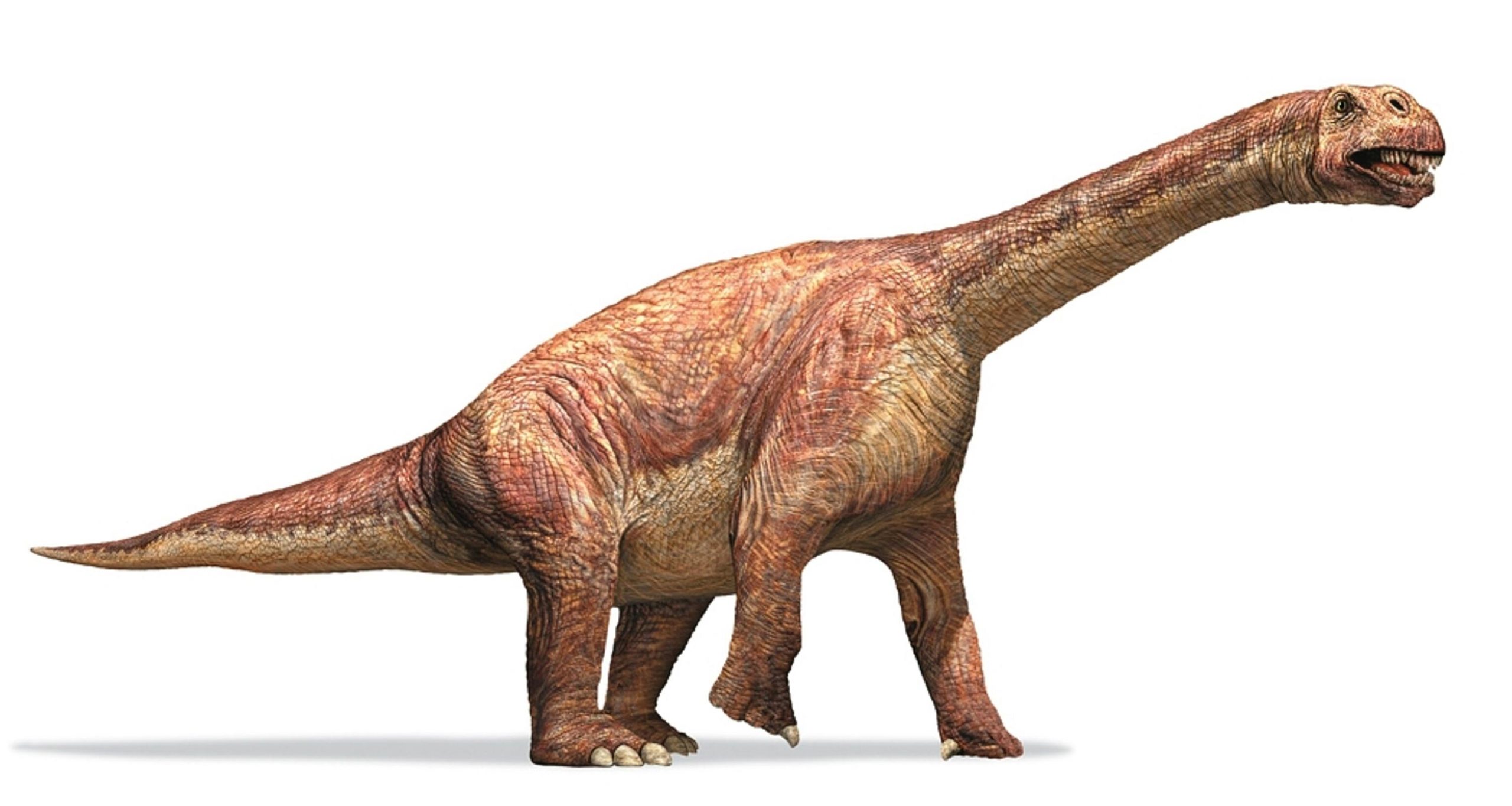
    Camarasaurus Dinosaur
    Camarasaurus Dinosaur

    A new study suggests that sauropod dinosaurs had some special bones that gave them a boost during hard times. This boost came in the form of hollow “skin bones” called osteoderms, which stored important minerals to maintain the animal’s huge skeletons and to help them lay large egg clutches. This comes in very handy for the long-necked plant-eaters, since we know that their environment was highly seasonal and semi-arid. The dinosaurs were often exposed to droughts that caused massive die-offs. Being able to store extra minerals to ensure large clutches is one factor that may have given them an edge against the climate. We’ve known about these bones for over a century, but have had no idea what they might have been used for.

    Osteoderms are dermal bone structures that support the upper layer of skin and provide protection against the elements in a large variety of living and extinct organisms, especially reptiles.

    Guelph biomedical scientist Matthew Vickaryous co-authored a paper published in Nature Communications about two sauropod dinosaurs, one an adult and the other a juvenile, found in Madagascar. They found that these bones provided an extra source of calcium and phosphorus when environmental and physiological conditions were tough. The bones are described as resembling footballs that have been sliced in half and they are about the size of a gym bag in the adult. As of right now these bones are the largest osteoderms ever identified. The adult’s osteoderm was hollow, which he attributes to extensive bone remodeling. More on that in a bit.

    This is an important find because although osteoderms were common in armored dinosaurs and are even common in animals today, like alligators (They create that ridge pattern on the Alligator’s back), and armadillos, these bones were rare among sauropod dinosaurs and have appeared only in titanosaurs.

    These new osteoderms were found along with the two skeletons. Where the adult specimen was hollow, the juvenile osteoderm was solid and did not show evidence of remodeling. This suggests that as the animals grew, osteoderms became more important mineral stores for the body, which makes sense. Young animals aren’t likely to need those extra resources.

    Never miss a breakthrough: Join the SciTechDaily newsletter.
    Follow us on Google and Google News.

    Bones Dinosaurs Osteoderms Sauropod Skin
    Share. Facebook Twitter Pinterest LinkedIn Email Reddit

    Related Articles

    This Giant Dinosaur Walked in Circles 150 Million Years Ago – Scientists Uncover Its Secrets

    The Biggest Dinosaurs Left Their Babies to Be Eaten

    These Giant Long-Necked Dinosaurs Could Stand Upright – and Scientists Finally Figured Out Why

    Mysterious Bone Infections Wiped Out Brazil’s Giant Dinosaurs

    Mystery Solved: How Did Dinosaurs Support Their Gigantic Bodies?

    Muscular Study Reveals How Giant 50-Ton Sauropod Dinosaurs Moved and Evolved

    Oldest Dinosaur Nesting Site Discovered

    First Plant-Eating Dinosaur Discovered in Antarctica

    Nest of Juvenile Protoceratops Andrewsi Dinosaurs Discovered

    Leave A Reply Cancel Reply

    • Facebook
    • Twitter
    • Pinterest
    • YouTube

    Don't Miss a Discovery

    Subscribe for the Latest in Science & Tech!

    Trending News

    Giant Plasma Waves May Be Stripping Away Mars’ Atmosphere

    Scientists Thought SuperAgers Had Lucky Genes. They Were Wrong

    Astronomers Find Ancient Black Holes Shining With the Power of a Trillion Suns

    Researchers Solve Mystery Behind Contradictory Weight-Loss Drug Paradox

    Long-Lost Megalodon Fossils Found Hiding on a Museum Shelf

    Experimental Eye Drops Restore Sight in Blind Mice

    Scientists Discover the Brain May Enter a New Biological Phase Between 50 and 75

    New Research Reveals Autistic Brains Process Faces Differently

    Follow SciTechDaily
    • Facebook
    • Twitter
    • YouTube
    • Pinterest
    • Newsletter
    • RSS
    SciTech News
    • Biology News
    • Chemistry News
    • Earth News
    • Health News
    • Physics News
    • Science News
    • Space News
    • Technology News
    Recent Posts
    • This Ancient Grain Could Help Transform Children’s Gut Health
    • Pesticide Exposure May Carry a Serious Neurological Risk Years Later
    • Ozempic Could Fight Addiction Too – Scientists Finally Know How
    • Spain’s Largest Wildfire on Record Burned an Area the Size of New York City
    • Meet the 30-Million-Year-Old Dog That Climbed Trees Instead of Chasing Sticks
    Copyright © 1998 - 2026 SciTechDaily. All Rights Reserved.
    • Science News
    • About
    • Contact
    • Editorial Board
    • Privacy Policy
    • Terms of Use

    Type above and press Enter to search. Press Esc to cancel.