
Close Menu
    Facebook X (Twitter) Instagram
    SciTechDaily
    • Biology
    • Chemistry
    • Earth
    • Health
    • Physics
    • Science
    • Space
    • Technology
    Facebook X (Twitter) Pinterest YouTube RSS
    SciTechDaily
    Home»Space»Space Age Silver Jubilee: ISS Celebrates 25 Years of High-Flying Research Adventures
    Space

    Space Age Silver Jubilee: ISS Celebrates 25 Years of High-Flying Research Adventures

    By NASADecember 6, 2023No Comments5 Mins Read
    Facebook Twitter Pinterest Telegram LinkedIn WhatsApp Email Reddit
    Share
    Facebook Twitter LinkedIn Pinterest Telegram Email Reddit
    ISS Zarya Unity Mated
    Just a few feet away from a 70mm camera onboard the Space Shuttle Endeavour, the Russian-built control module and the U.S.-built Unity connecting module are mated in the shuttle’s cargo bay. Using Endeavour’s 50-ft. long Canadian-built Remote Manipulator System (RMS) robot arm, astronaut Nancy J. Currie working from the aft flight deck, plucked Zarya out of orbit on December 6, 1998. The craft had been orbiting Earth for a little over 16 days prior to grapple and subsequent docking to Unity. Credit: NASA

    Marking 25 years since its inception, the ISS crew reflects on its achievements and continues vital research in health, aging, and the effects of microgravity.

    25 years ago today, the first two modules of the International Space Station – Zarya and Unity – were mated during the STS-88 mission of space shuttle Endeavour. The shuttle’s Canadarm robotic arm reached out and grappled Zarya, which had been on orbit just over two weeks, and attached it to the Unity module stowed inside Endeavour’s payload bay. Endeavour would undock from the young dual-module station one week later beginning the space station assembly era.
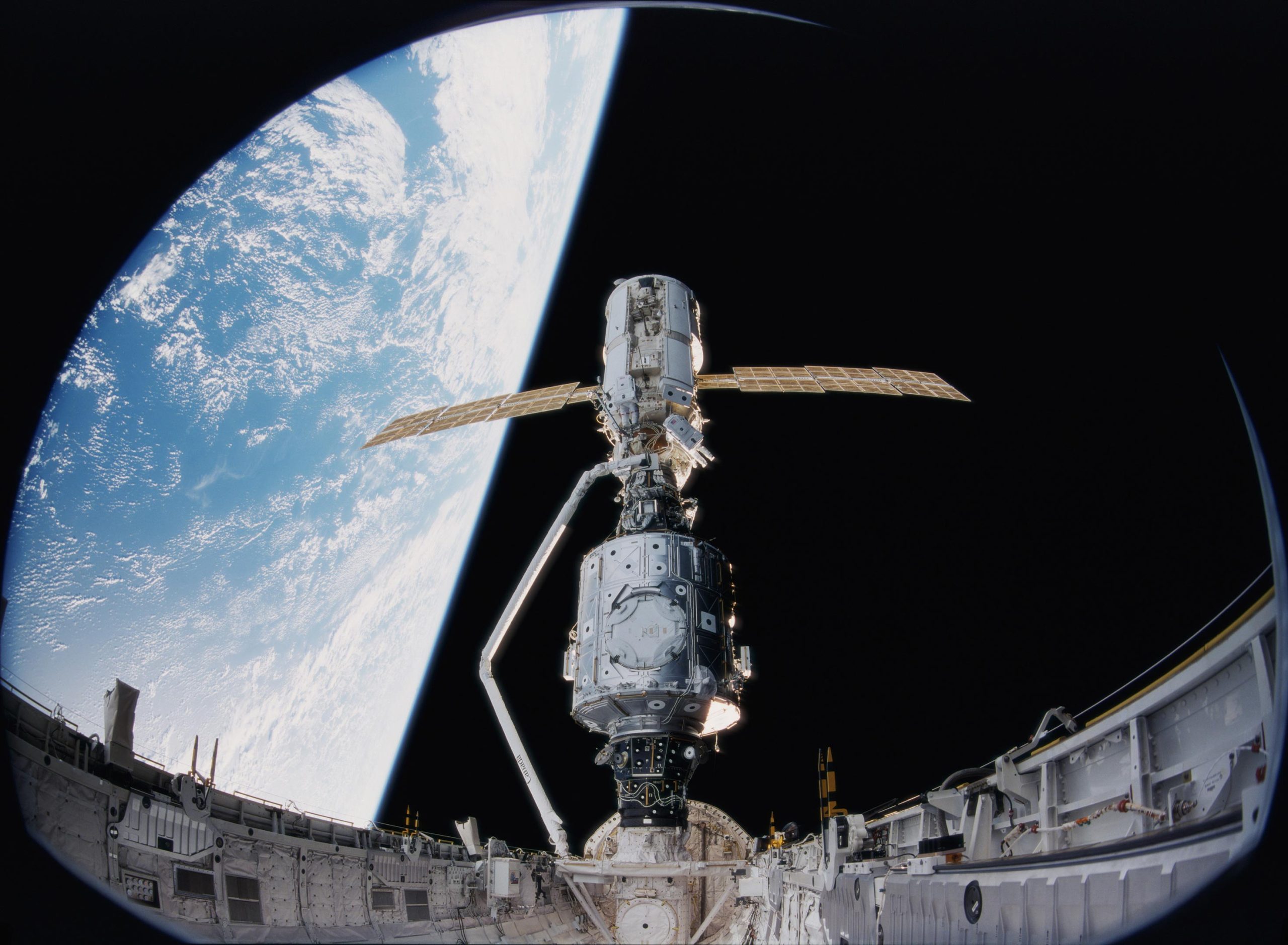
    STS 88 Begins Construction of International Space Station
    In December 1998, the crew of Space Shuttle Mission STS-88 began construction of the International Space Station, joining the U.S.-built Unity node to the Russian-built Zarya module. The crew carried a large-format IMAX® camera from which this picture was taken. Credit: NASA

    The seven-member Expedition 70 crew called down to Earth today and discussed with NASA Associate Administrator Bob Cabana and International Space Station Program Manager Joel Montalbano the orbital outpost’s accomplishments since the assembly era began on December 6, 1998. Cabana was the commander of Endeavour when both modules were robotically mated and then outfitted during a series of spacewalks. Montalbano, NASA’s sixth station leader since the program’s inception, remarked today, “We want to celebrate today all the people who designed, built, and operate the International Space Station.”
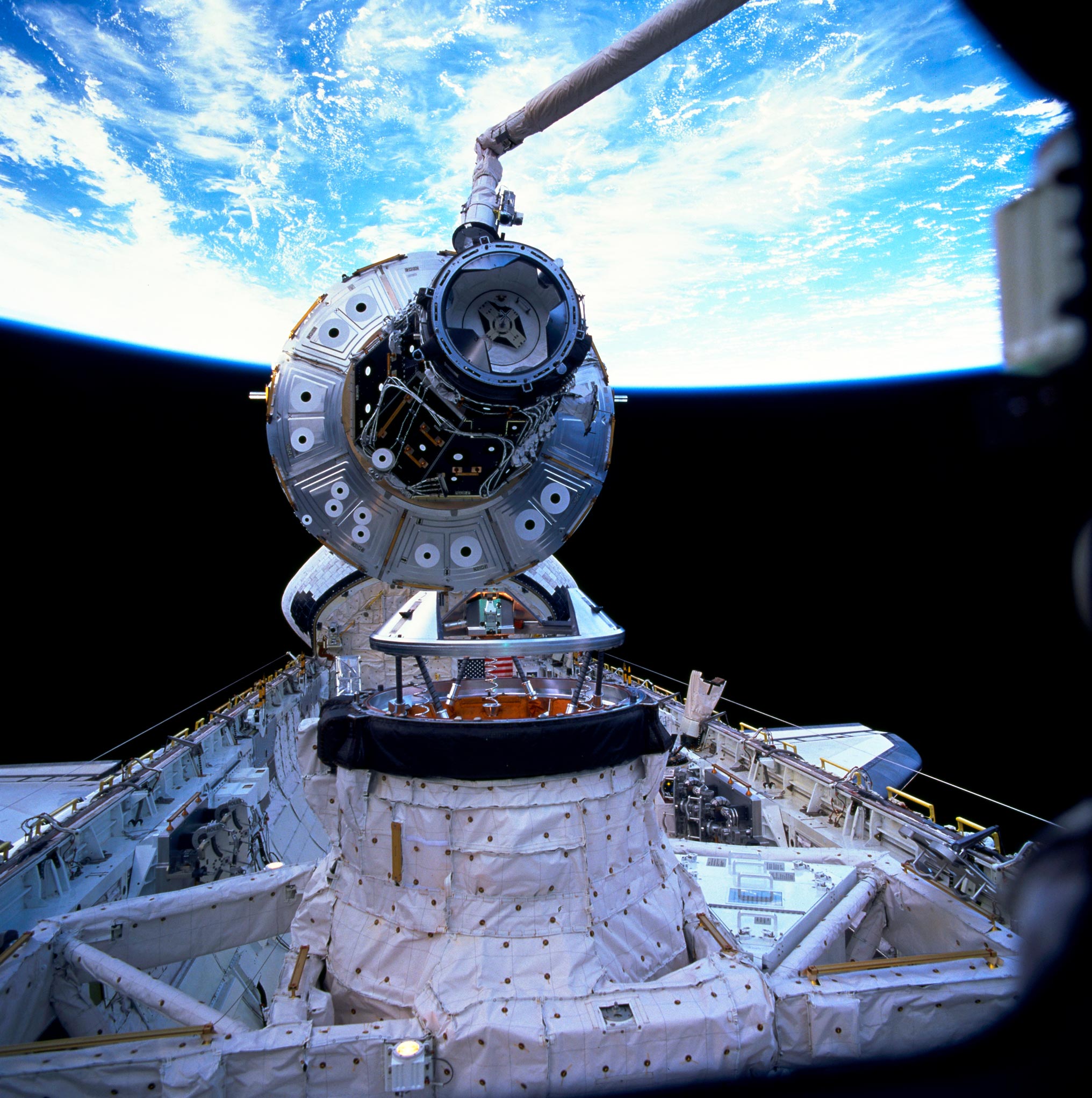
    Unity Connecting Module Space Shuttle
    One of the STS-88 astronauts aimed a 70mm camera through Endeavour’s aft flight deck windows to record this December 5, 1998, image of the Unity connecting module as it was being put into position to be mated to Endeavour’s docking system in the cargo bay. The mating was the first link in a long chain of events that led up to the eventual deployment in Earth orbit of the connected Unity and Zarya modules later in the 11-day mission. Credit: NASA

    Meanwhile, a host of space biology work continued aboard the orbital lab on Wednesday to improve human health on Earth and in space. Cargo operations and lab maintenance rounded out the day keeping the four astronauts and three cosmonauts busy during the middle of the week.

    Aging studies are taking place on the orbital lab helping researchers understand space-caused accelerated aging symptoms at the molecular and cellular level. NASA Flight Engineers Loral O’Hara and Jasmin Moghbeli took turns processing liver stem samples for the Space AGE study taking place in the Kibo laboratory module. Kibo’s Life Science Glovebox is hosting the research operation that is exploring aging-like properties of immune cells and the regenerative capacity of liver cells.
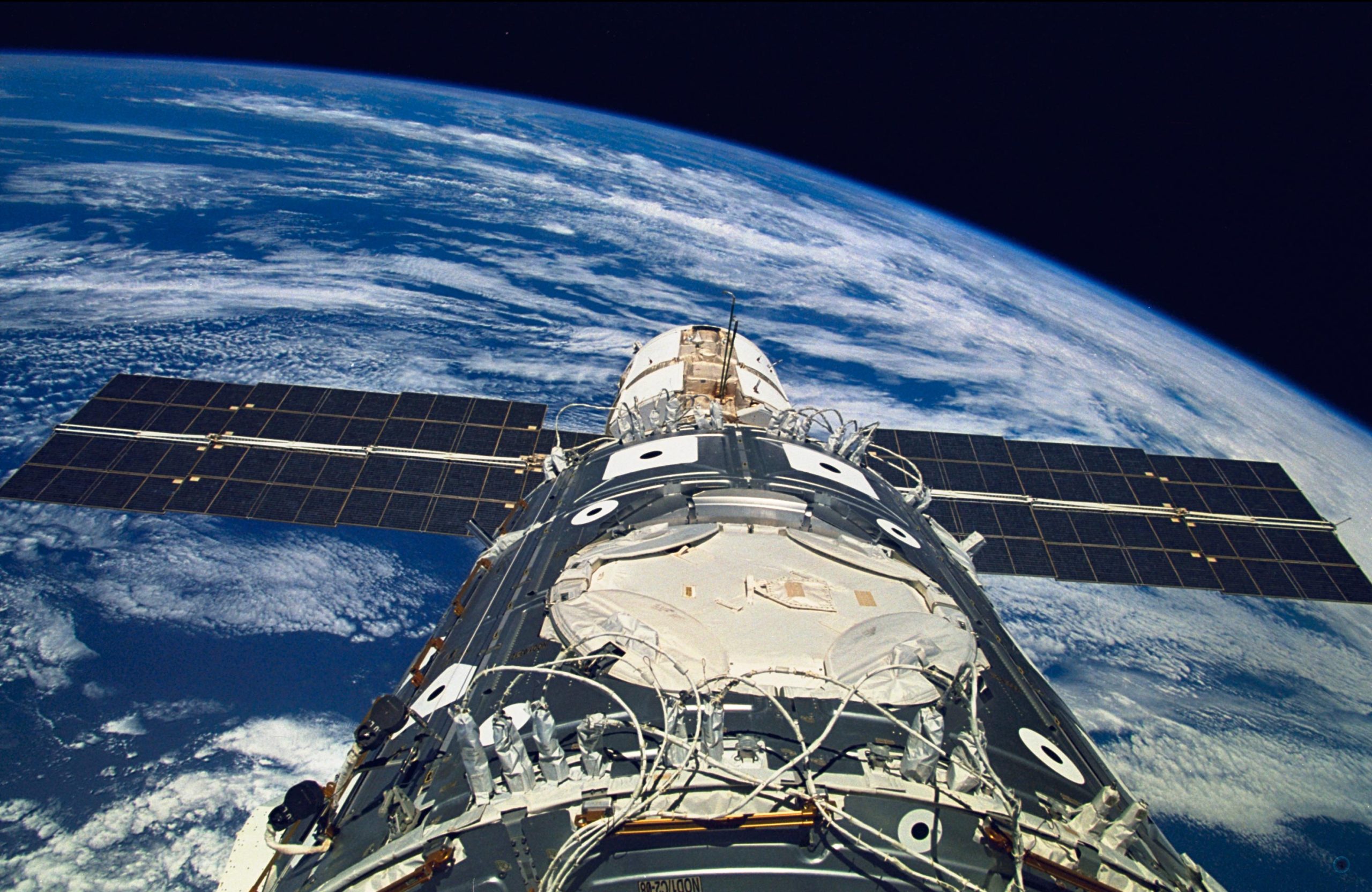
    ISS Construction Unity Module
    Wires and cables on the Unity module (foreground) are telltale clues that the space-walking astronauts of STS-88 had performed their first extravehicular activity (EVA) when this 35mm frame was exposed from the aft windows of Endeavour. The Zarya module can be seen mated to the top end of Unity. Credit: NASA

    Mental health and cognition are key concerns for NASA and its international partners as the space agencies plan longer human missions farther away from Earth. Commander Andreas Mogensen wore virtual reality goggles for the VR Mental Care experiment today and watched a 360-degree movie to understand its stabilizing effect on the nervous system. Flight Engineer Satoshi Furukawa took a computerized robotics test for a CIPHER investigation studying how in microgravity affects brain structure, sleep quality, stress, and immune function.

    Mogensen from ESA (European Space Agency) and Furukawa from JAXA (Japan Aerospace Exploration Agency) also partnered with O’Hara and Moghbeli transferring payloads in and out of the SpaceX Dragon cargo spacecraft throughout the day. The foursome then spent the rest of Wednesday supporting a variety of other ongoing space research and life support activities.
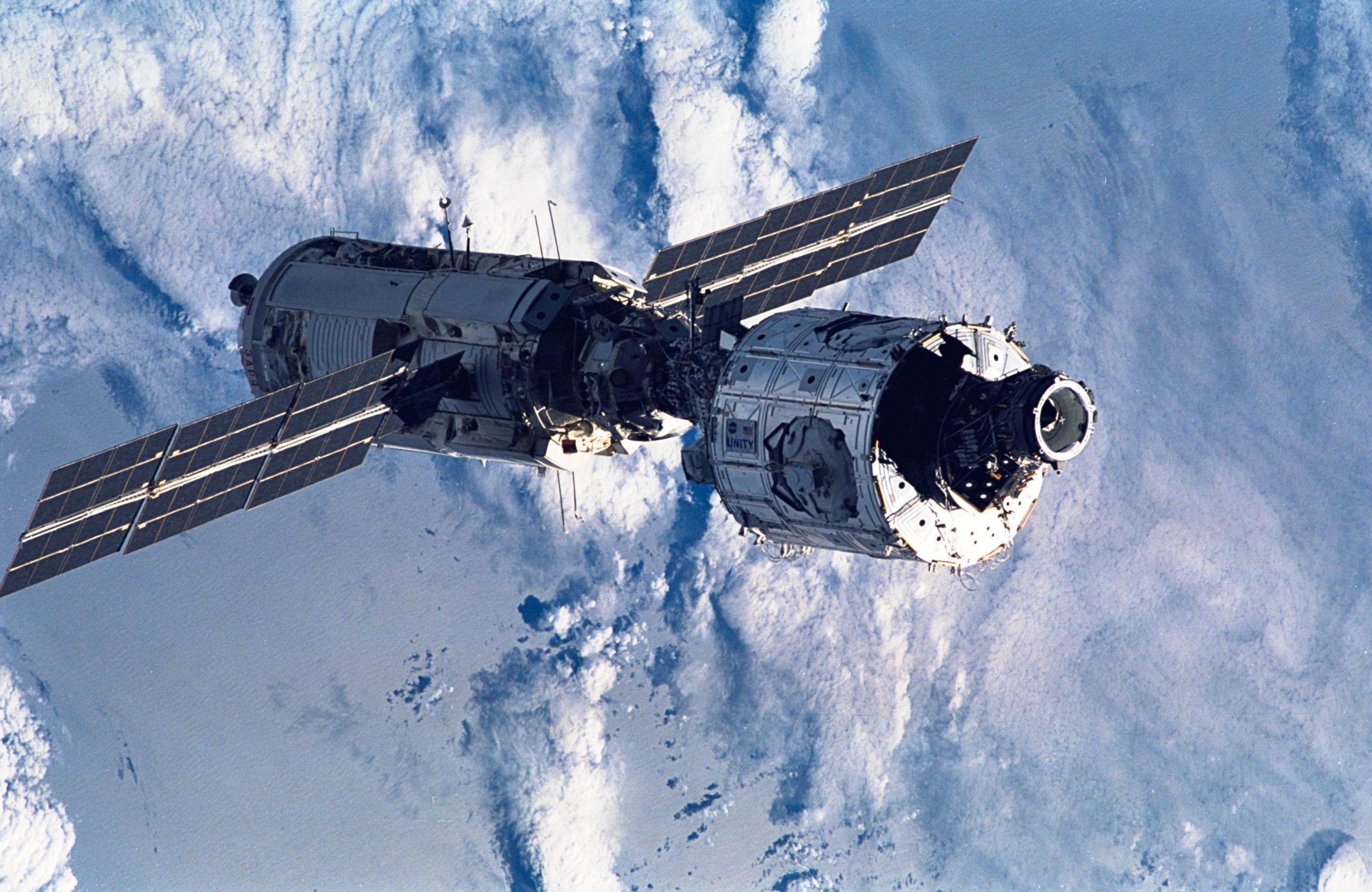
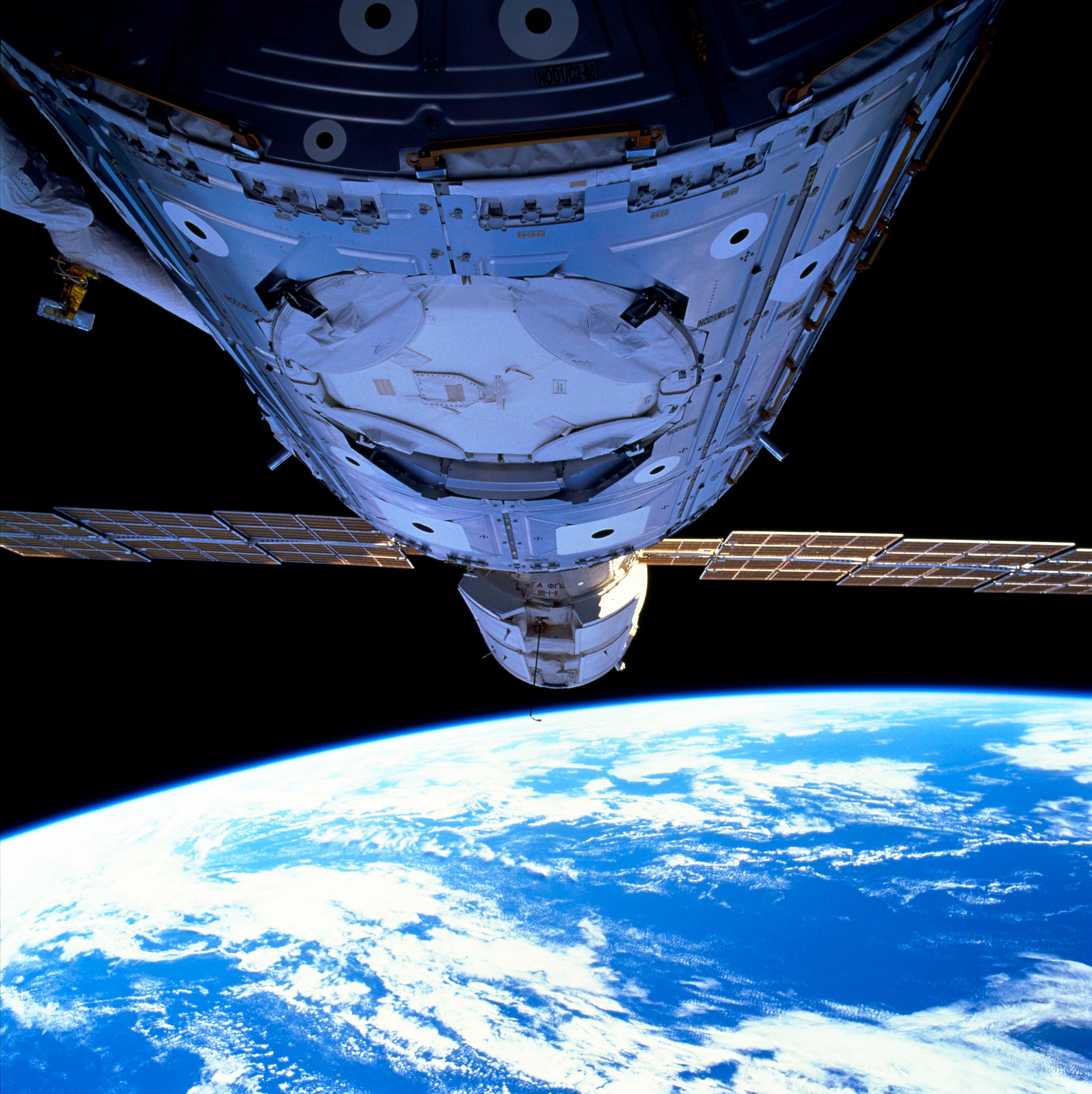
    ISS Connected Zarya and Unity Modules
    A variety of white and gray clouds form the backdrop for this 35mm scene of the connected Zarya and Unity modules floating in space after having been released from Endeavour’s cargo bay a bit earlier. Six crew members, who had earlier spent the majority of their on-duty mission time working on the tandem of space hardware, watched from Endeavour as the joined modules moved away from the shuttle. Credit: NASA

    Veteran cosmonaut Oleg Kononenko tended to eggs being incubated for a Roscosmos space biology study, deployed carbon dioxide monitors, and practiced using emergency masks. Flight Engineer Nikolai Chub worked on an immunity study and continued unpacking cargo from the Progress 86 resupply ship. Flight Engineer Konstantin Borisov started his morning replacing electrical plumbing gear then worked in the afternoon checking smoke detectors and charging a science laptop computer.

    Never miss a breakthrough: Join the SciTechDaily newsletter.
    Follow us on Google and Google News.

    Astronaut International Space Station NASA
    Share. Facebook Twitter Pinterest LinkedIn Email Reddit

    Related Articles

    NASA’s Crew-9 Returns After 286-Day Mission With a Spectacular Splashdown in the Gulf of America

    NASA’s SpaceX Crew-9 Splashes Down Off Coast of Florida

    SpaceX Dragon Undocks With NASA Crew-9 Members for Return to Earth

    Liftoff! NASA’s SpaceX Crew-10 Blasts Off From Kennedy Space Center [Video]

    Rocket Ready: NASA’s SpaceX Crew-10 Set for Liftoff

    NASA’s SpaceX Crew-10 Was Moments From Liftoff – Then a Last-Minute Malfunction Shut It Down

    NASA’s SpaceX Crew-10: Four Astronauts, a 17,500 MPH Rocket, and 200+ Experiments

    No Treadmill, No Problem – NASA’s Space Workout Experiment Could Change Fitness Forever

    NASA and SpaceX’s Unexpected Spacecraft Swap Sends Crew-10 to Space Sooner

    Leave A Reply Cancel Reply

    • Facebook
    • Twitter
    • Pinterest
    • YouTube

    Don't Miss a Discovery

    Subscribe for the Latest in Science & Tech!

    Trending News

    Could Low Vitamin D Be Making Your Pain Worse?

    Scientists Discover Once-Weekly Workout That Melts Belly Fat Surprisingly Effectively

    Scientists Just Tested a Thruster Powerful Enough for Human Missions to Mars

    Doctors Say Your Ice Pack Might Be Making Injuries Worse

    Scientists Discover 43-Foot Sea Reptile Twice the Size of a Great White Shark

    Bees and Birds Are Drinking Alcohol From Flowers

    Scientists Discover How Obesity May Trigger Alzheimer’s Disease

    Scientists Confirm Alcohol Causes Widespread Health Damage

    Follow SciTechDaily
    • Facebook
    • Twitter
    • YouTube
    • Pinterest
    • Newsletter
    • RSS
    SciTech News
    • Biology News
    • Chemistry News
    • Earth News
    • Health News
    • Physics News
    • Science News
    • Space News
    • Technology News
    Recent Posts
    • The Secret Behind Indigenous Andeans’ “Digestive Superpower” May Be Potatoes
    • Archaeologists Discover Mysterious Artificial Island Older Than Stonehenge in Scotland
    • Magnon Breakthrough Could Shrink Quantum Computers to the Size of a Penny
    • NASA Finds a “Goldilocks” Giant Planet Wrapped in Methane
    • Are There Aliens on the Famous Exoplanet K2-18b? Scientists Just Scanned It for Signals
    Copyright © 1998 - 2026 SciTechDaily. All Rights Reserved.
    • Science News
    • About
    • Contact
    • Editorial Board
    • Privacy Policy
    • Terms of Use

    Type above and press Enter to search. Press Esc to cancel.