
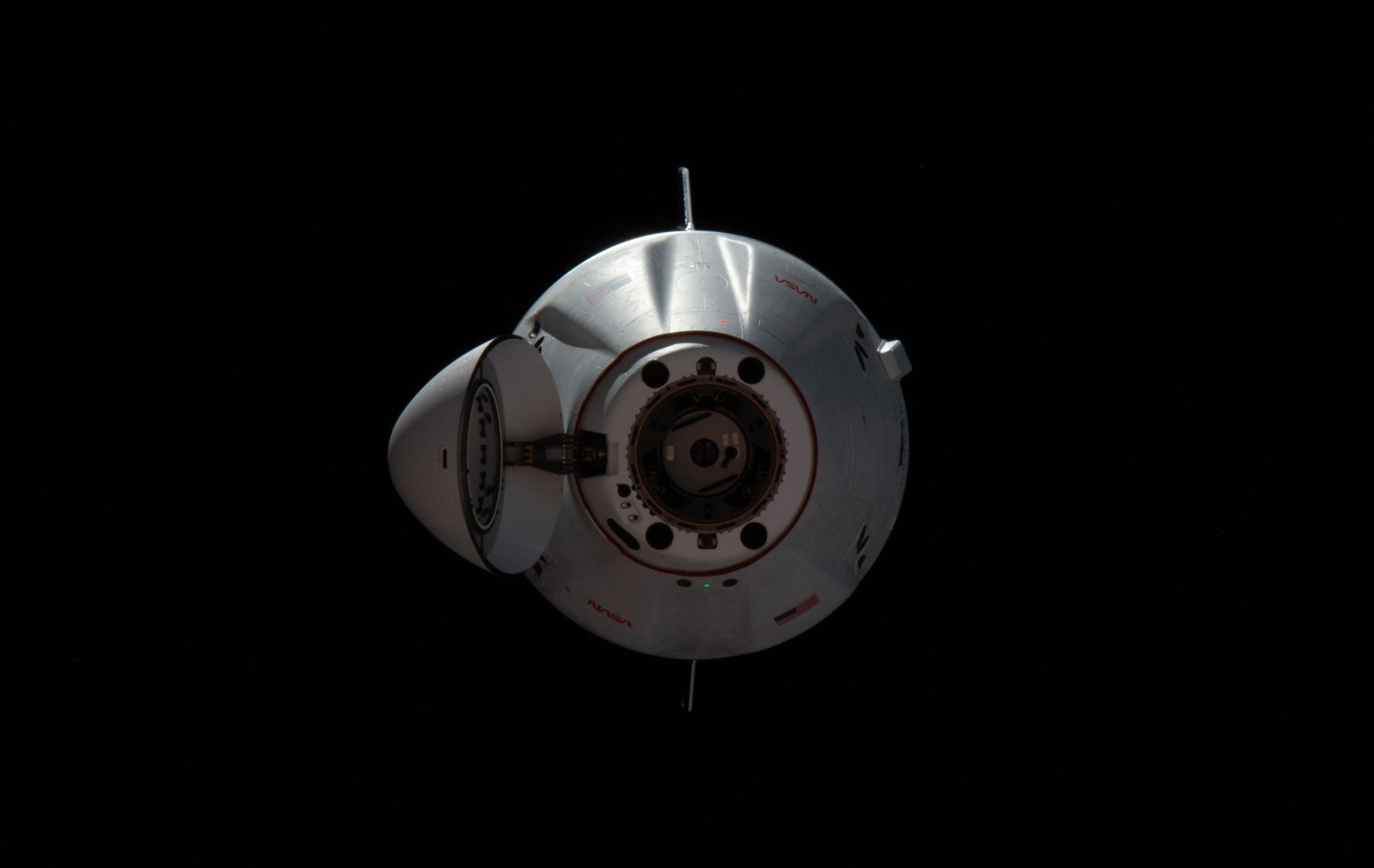
A SpaceX Dragon spacecraft has returned to Earth carrying an unusual collection of scientific cargo, including cancer research samples, 3D-printed blood vessels, and bacteria studied in space. The experiments could provide valuable insights into human health, lead to better medical treatments, and help astronauts stay healthy on future missions.
The uncrewed capsule splashed down in the Pacific Ocean near Los Angeles at 2:03 p.m. PST, successfully completing NASA’s 35th SpaceX commercial resupply mission to the International Space Station.
Dragon departed the orbiting laboratory at 11:05 a.m. CST on November 20, bringing back research materials that scientists can now examine in detail on Earth. Unlike many spacecraft that deliver supplies to the station, Dragon is also designed to return cargo safely, making it especially valuable for experiments that require further laboratory analysis.
Cancer Research and 3D-Printed Blood Vessels Return From Space
Among the returning experiments is a 3D-bioprinted blood vessel construct created to investigate how blood vessels age and how cardiovascular diseases develop.
Bioprinting is a technology that uses living cells and specialized materials to build structures resembling human tissue. By studying these blood vessel models in microgravity, where objects experience near weightlessness, researchers hope to gain a better understanding of biological changes that may affect people both in space and on Earth.
Dragon also carried frozen tumor organoids that had undergone experimental treatments aboard the space station. Organoids are small, laboratory-grown models that reproduce certain characteristics of human tissues or tumors, allowing scientists to investigate diseases and test potential therapies.
Researchers hope these samples will reveal information that could improve cancer treatments and support personalized medicine, an approach that aims to tailor medical care to the characteristics of individual patients.
Studying Dangerous Bacteria and Astronaut Sleep
Another set of experiments focuses on antibiotic resistance, a growing medical concern worldwide. Frozen microbial samples returned aboard Dragon will help scientists examine how bacteria that resist antibiotic treatments survive, adapt, and evolve in the unusual environment of space.
Understanding these changes could be important for protecting astronauts on extended missions, when access to medical care is limited. The findings may also offer useful insights into how antibiotic-resistant microbes behave.
The returning cargo included a specialized lighting system that spent more than three years aboard the space station. Researchers used the equipment to investigate how lighting could improve astronauts’ sleep and overall well-being during long missions.
Light plays an important role in regulating the body’s internal clock, which influences when people feel alert or sleepy. Maintaining a healthy sleep schedule can be especially challenging aboard the space station, which circles Earth roughly every 90 minutes and experiences numerous sunrises and sunsets each day.
Dragon Completes NASA’s 35th SpaceX Resupply Mission
The spacecraft’s journey began on October 13, when it launched aboard a SpaceX Falcon 9 rocket from Space Launch Complex 40 at Cape Canaveral Space Force Station in Florida. Dragon reached the International Space Station two days later, on October 15.
After spending more than a month at the orbiting laboratory, the spacecraft returned with scientific samples and equipment ready for further examination.
Although the experiments have not yet established new medical breakthroughs, the research could contribute to advances in cancer treatment, cardiovascular health, infectious disease research, and astronaut safety. The results may ultimately benefit patients on Earth while helping NASA prepare for longer journeys deeper into space.
Never miss a breakthrough: Join the SciTechDaily newsletter.
Follow us on Google and Google News.