

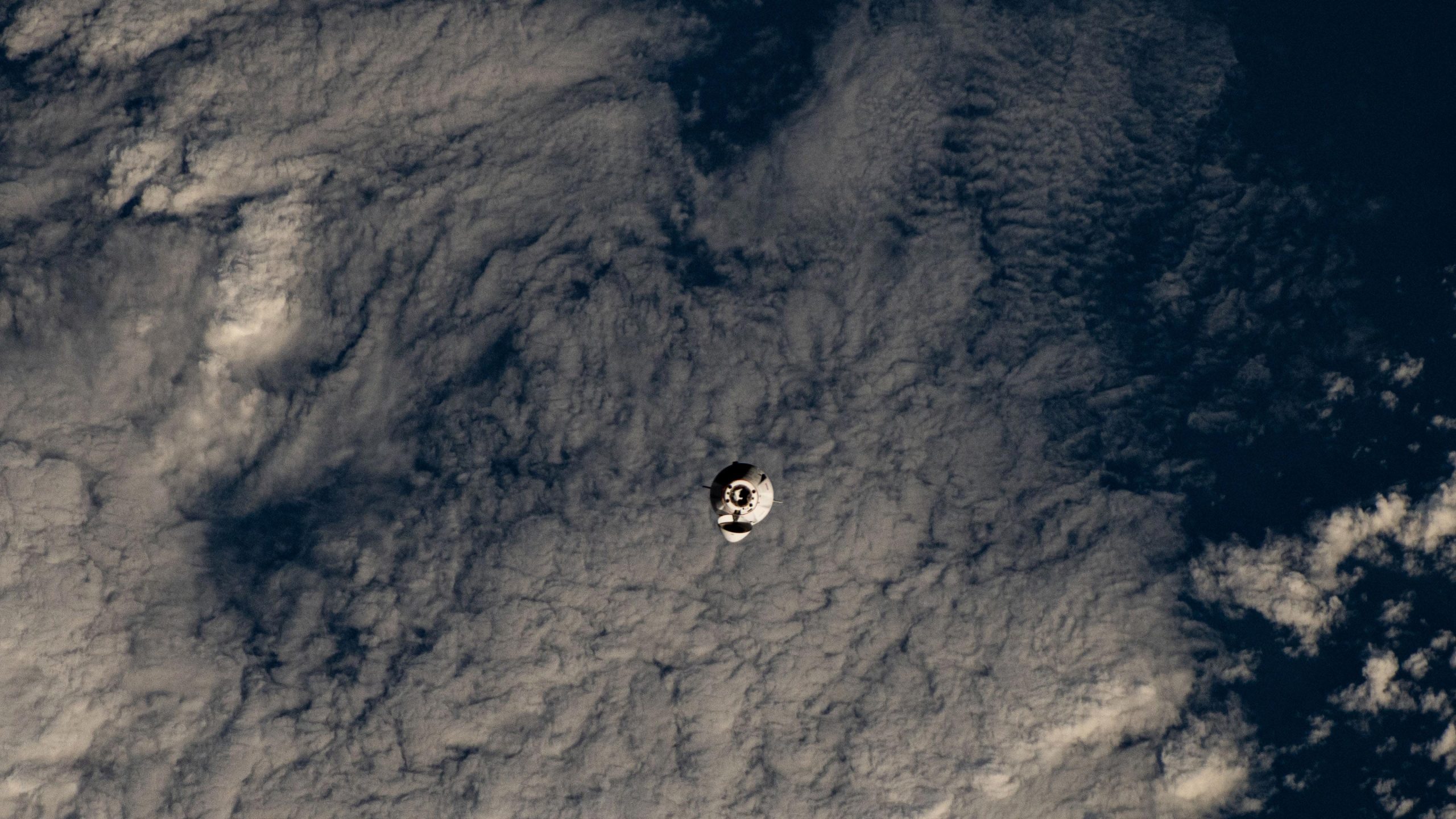
New science experiments and research samples, delivered on Tuesday by the SpaceX Dragon cargo spacecraft, were installed on Wednesday on the International Space Station (ISS). Meanwhile, science activities and lab maintenance continue to support the smooth operation of the orbital outpost.
Crew Begins Unloading and Installation
The four NASA astronauts representing the Expedition 72 crew, including Flight Engineers Don Pettit, Nick Hague, and Butch Wilmore, as well as Commander Suni Williams, spent the day unloading Dragon’s research-packed cargo. Arriving on November 5, Dragon brought advanced research equipment and temperature-sensitive specimens, which the crew quickly transferred to the ISS, placing them in dedicated research racks and cold storage for upcoming experiments.
Space Biology and Sample Freezer Setups
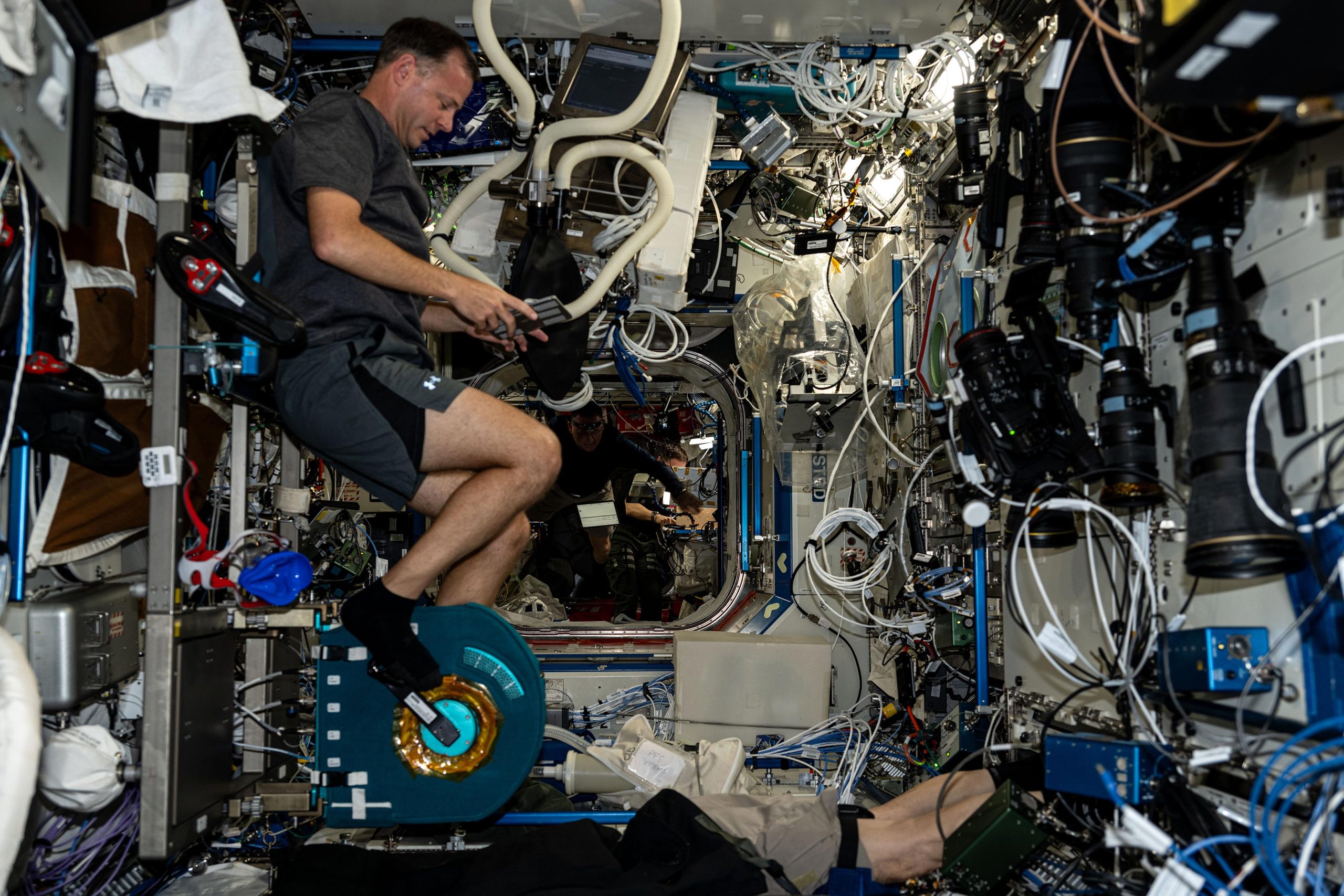
Pettit entered Dragon and removed new space biology hardware to explore space-caused inflammation changes then installed it inside the Kibo laboratory module for activation. Hague partnered together with Wilmore and disconnected Dragon’s portable science freezers containing critical science samples then installed them in station EXPRESS racks for upcoming processing and analysis. Williams also participated in the Dragon science hardware transfers before joining Wilmore to unpack frozen research sample bags for stowage in a variety of station science freezers.
Cosmonauts Continue Roscosmos Research and Maintenance
The space station’s three cosmonauts, Alexey Ovchinin, Ivan Vagner, and Aleksandr Gorbunov, spent Wednesday on their task list of Roscosmos science experiments and lab maintenance.
X-Ray Spectrometer and Earth Atmosphere Observations
Ovchinin and Vagner worked together throughout the day in the Zvezda service module setting up an X-ray spectrometer that was delivered aboard the Progress 89 resupply ship on August 17. The duo installed cables and electronic components to support the astrophysics observation study that will be installed outside the orbital lab at a later date. Gorbunov closed out an experimental session observing Earth’s nighttime atmosphere in near-ultraviolet wavelengths then spent the rest of his shift servicing electronics and life support systems.
Never miss a breakthrough: Join the SciTechDaily newsletter.
Follow us on Google and Google News.