
Close Menu
    Facebook X (Twitter) Instagram
    SciTechDaily
    • Biology
    • Chemistry
    • Earth
    • Health
    • Physics
    • Science
    • Space
    • Technology
    Facebook X (Twitter) Pinterest YouTube RSS
    SciTechDaily
    Home»Space»SpaceX Rocket Launches NASA’s IXPE Space Observatory – To Explore the Most Extreme and Mysterious Objects in the Universe
    Space

    SpaceX Rocket Launches NASA’s IXPE Space Observatory – To Explore the Most Extreme and Mysterious Objects in the Universe

    By NASADecember 9, 20211 Comment4 Mins Read
    Facebook Twitter Pinterest Telegram LinkedIn WhatsApp Email Reddit
    Share
    Facebook Twitter LinkedIn Pinterest Telegram Email Reddit
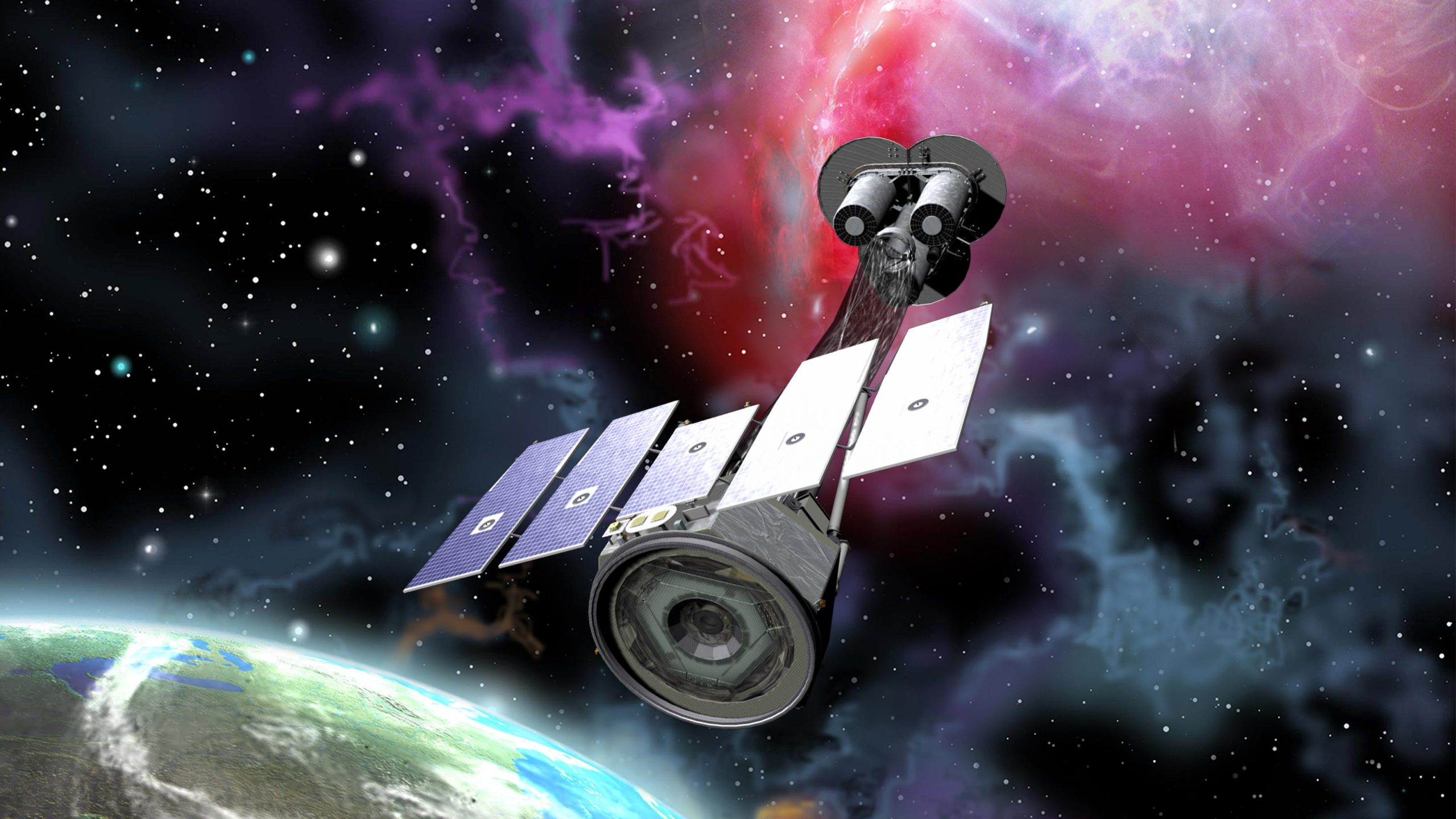
    IXPE in Earth Orbit
    Artist’s representation of IXPE in Earth orbit. Credit: NASA

    NASA’s Imaging X-ray Polarimetry Explorer (IXPE) mission launched at 1 a.m. EST Thursday, December 9, 2021, on a SpaceX Falcon 9 rocket from NASA’s Kennedy Space Center in Florida.

    A joint effort with the Italian Space Agency, the IXPE observatory is NASA’s first mission dedicated to measuring the polarization of X-rays from the most extreme and mysterious objects in the universe – supernova remnants, supermassive black holes, and dozens of other high-energy objects.
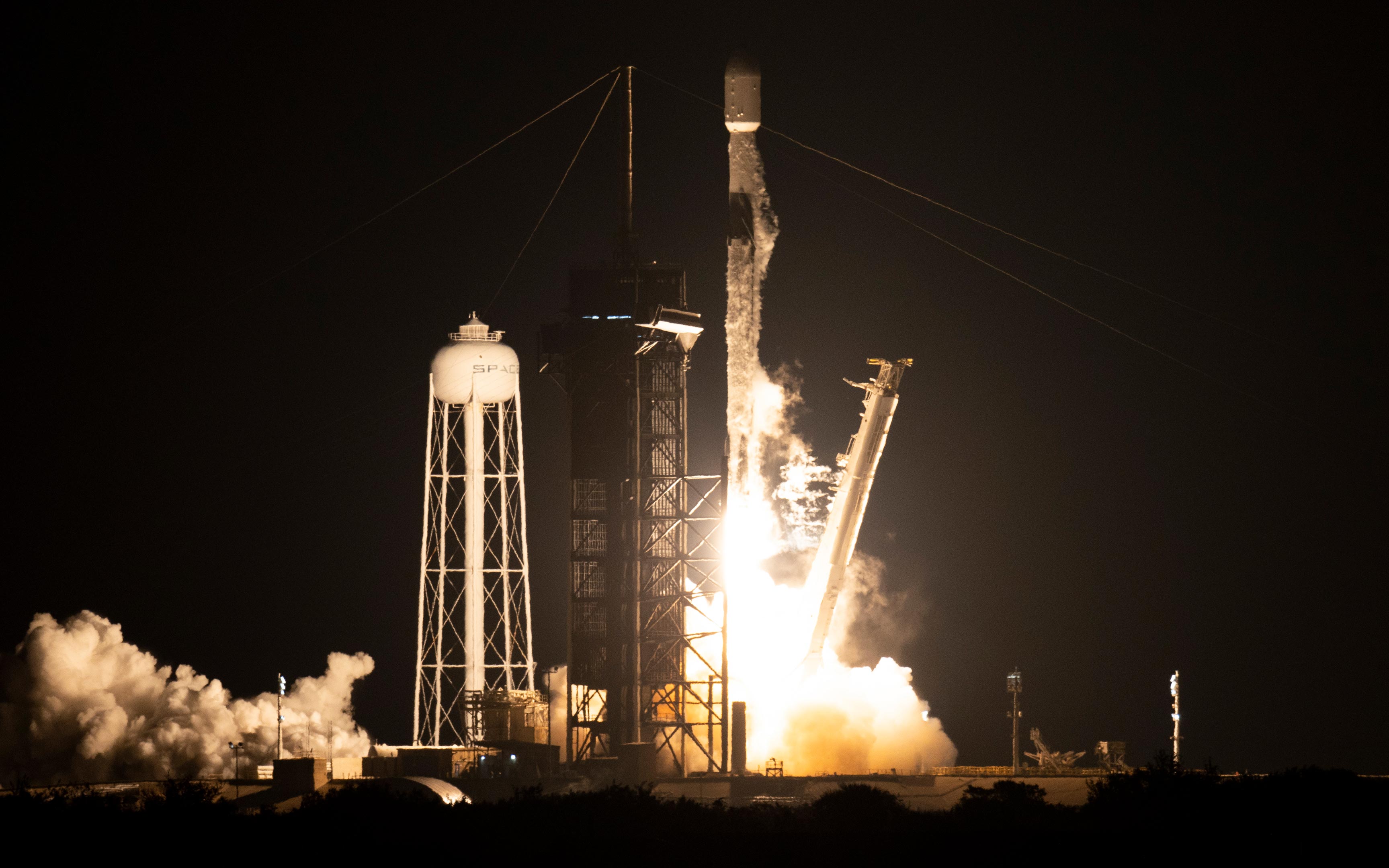
    SpaceX Falcon 9 Rocket Launches NASA IXPE
    A SpaceX Falcon 9 rocket launches with NASA’s Imaging X-ray Polarimetry Explorer (IXPE) spacecraft onboard from Launch Complex 39A, Thursday, December 9, 2021, at NASA’s Kennedy Space Center in Florida. The IXPE spacecraft is the first satellite dedicated to measuring the polarization of X-rays from a variety of cosmic sources, such as black holes and neutron stars. Launch occurred at 1 a.m. EST. Credit: NASA/Joel Kowsky

    “IXPE represents another extraordinary first,” said Thomas Zurbuchen, associate administrator for the Science Mission Directorate at NASA Headquarters in Washington. “Together with our partners in Italy and around the world, we’ve added a new space observatory to our fleet that will shape our understanding of the universe for years to come. Each NASA spacecraft is carefully chosen to target brand new observations enabling new science, and IXPE is going to show us the violent universe around us – such as exploding stars and the black holes at the center of galaxies – in ways we’ve never been able to see it.”


    The Imaging X-ray Polarimetry Explorer mission launched on December 9, 2021, on a SpaceX Falcon 9 rocket from NASA’s Kennedy Space Center in Florida. In space, IXPE will explore the leftovers of exploded stars, black holes, and more by looking at a special property of light called polarization. Credit: NASA’s Marshall Space Flight Center

    The rocket performed as expected, with spacecraft separation taking place 33 minutes into flight. Approximately one minute later, the spacecraft unfurled its solar arrays. IXPE entered its orbit around Earth’s equator at an altitude of approximately 372 miles (600 kilometers). About 40 minutes after launch, mission operators received the first spacecraft telemetry data.
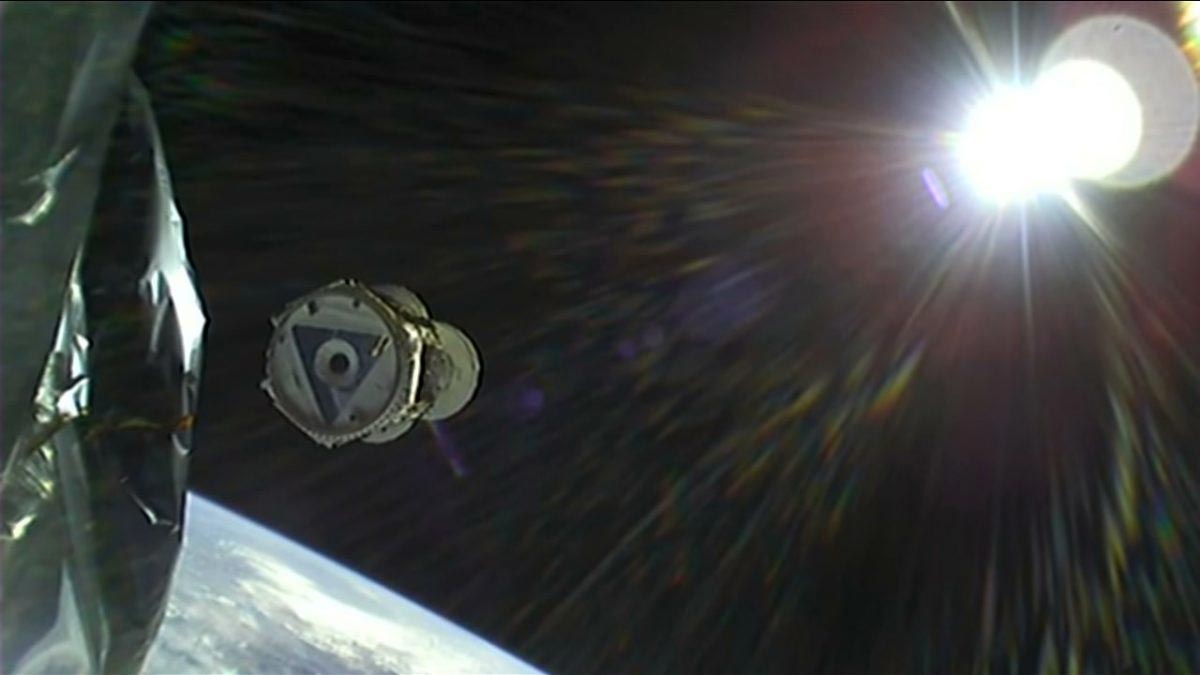
    IXPE Spacecraft Separation
    NASA’s IXPE spacecraft separates from the second stage of SpaceX’s Falcon 9 rocket on Thursday, December 9, 2021. Credit: NASA

    “It is an indescribable feeling to see something you’ve worked on for decades become real and launch into space,” said Martin Weisskopf, IXPE’s principal investigator at NASA’s Marshall Space Flight Center in Huntsville, Alabama. Weisskopf came up with the idea for the spacecraft and has conducted seminal experiments in X-ray astronomy since the 1970s. “This is just the beginning for IXPE. We have much work ahead. But tonight, we celebrate!”

    IXPE carries three state-of-the-art space telescopes with special polarization-sensitive detectors. Polarization is a property of light that holds clues to the environment from which the light originates. The new mission builds on and complements the scientific discoveries of other telescopes, including the Chandra X-ray Observatory, NASA’s flagship X-ray telescope. First light operations are scheduled to begin in January.

    IXPE Liftoff
    A SpaceX Falcon 9 rocket roars off the launch pad at Launch Complex 39A at NASA’s Kennedy Space Center in Florida at 1 a.m. EST on Thursday, December 9, 2021, carrying NASA’s Imaging X-ray Polarimetry Explorer (IXPE) spacecraft. Credit: NASA/Kim Shiflett

    NASA Marshall manages the IXPE mission for the agency’s Science Mission Directorate as a project of the NASA’s Explorers Program. IXPE is an international collaboration between NASA, the Italian Space Agency, along with partners and providers in 12 other countries. Marshall built the three X-ray telescopes. The Italian Space Agency contributed IXPE’s polarization detectors. Ball Aerospace in Broomfield, Colorado, provided the spacecraft and manages spacecraft operations at the University of Colorado Boulder’s Laboratory for Atmospheric and Space Physics. NASA’s Goddard Space Flight Center in Greenbelt, Maryland, manages the Explorers Program.

    Never miss a breakthrough: Join the SciTechDaily newsletter.
    Follow us on Google and Google News.

    IXPE NASA Popular Rocket SpaceX
    Share. Facebook Twitter Pinterest LinkedIn Email Reddit

    Related Articles

    SpaceX Falcon Heavy Launches for the First Time in Over Three Years – Most Powerful Operational Rocket in the World

    Surprising Results From NASA’s IXPE Help Unlock the Secrets of Famous Exploded Star

    Splashdown! NASA’s SpaceX Crew-4 Safely Returns to Earth

    NASA’s SpaceX Crew-5 Picture-Perfect Launch to International Space Station

    NASA and SpaceX Investigating Hubble Telescope Orbital Reboost To Add Years to Its Operational Life

    SpaceX Dragon Splashes Down With Scientific Cargo for Analysis

    NASA Completes Artemis I Moon Rocket Test, Moves Forward Toward Launch

    NASA Artemis I Moon Rocket Test: SLS Fully Fueled for First Time Despite Leak

    Splashdown! NASA SpaceX Crew-3 Astronauts Safely Return to Earth

    1 Comment

    1. Grady on December 9, 2021 6:45 am

      Until we can duplicate the engines in so called flying saucers real space exploration by mankind cannot amount to much.

      PS. I have seen a very large silent flying saucer.

      Reply
    Leave A Reply Cancel Reply

    • Facebook
    • Twitter
    • Pinterest
    • YouTube

    Don't Miss a Discovery

    Subscribe for the Latest in Science & Tech!

    Trending News

    Even Occasional Binge Drinking May Triple Liver Damage Risk

    Liftoff! NASA’s Artemis II Launch Sends Astronauts Around the Moon for First Time in 50 Years

    Scientists Discover New Way To Eliminate “Zombie Cells” Driving Aging

    This New Quantum Theory Could Change Everything We Know About the Big Bang

    This One Vitamin May Help Protect Your Brain From Dementia Years Later

    Stopping Weight-Loss Drugs Like Ozempic Can Quickly Erase Heart Benefits

    A 500-Million-Year-Old Surprise Is Forcing Scientists to Rethink Spider Evolution

    Coffee and Blood Pressure: What You Need To Know Before Your Next Cup

    Follow SciTechDaily
    • Facebook
    • Twitter
    • YouTube
    • Pinterest
    • Newsletter
    • RSS
    SciTech News
    • Biology News
    • Chemistry News
    • Earth News
    • Health News
    • Physics News
    • Science News
    • Space News
    • Technology News
    Recent Posts
    • NASA’s Artemis II: Humans Just Left Earth Orbit for the First Time Since 1972
    • What Causes Chronic Pain? Scientists Identify Key Culprit in the Brain
    • Semaglutide Shows Surprising Mental Health Benefits in Massive 100,000-Person Study
    • This Little-Known Japanese Fruit Could Help Stop Lung Cancer Before It Starts
    • Scientists Uncover Giant Lava Fields From an Active Underwater Volcano
    Copyright © 1998 - 2026 SciTechDaily. All Rights Reserved.
    • Science News
    • About
    • Contact
    • Editorial Board
    • Privacy Policy
    • Terms of Use

    Type above and press Enter to search. Press Esc to cancel.