
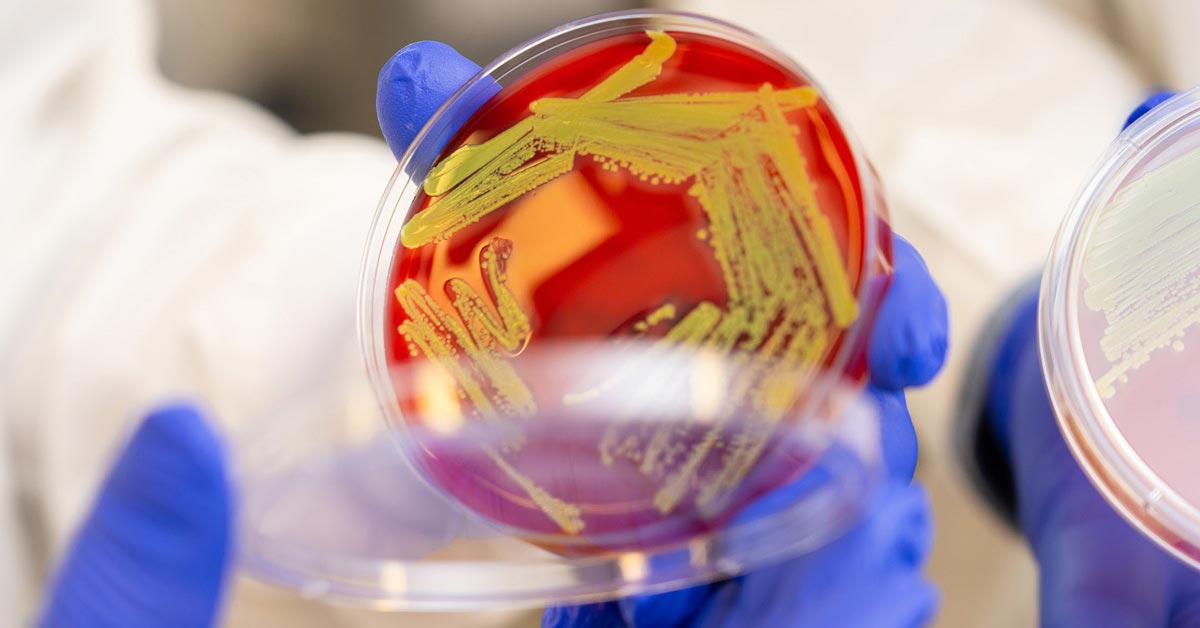
Researchers at UC San Diego have identified a key mechanism by which Staphylococcus aureus evades the immune response, leading to the failure of numerous vaccine trials.
The bacteria triggers an overproduction of a protein called IL-10, which suppresses key immune cells. By blocking IL-10 or boosting another immune protein called IL-17A, researchers found that previously ineffective vaccines could work, raising hopes for new treatments against S. aureus and similar infections.
Staphylococcus aureus and Public Health Impact
Staphylococcus aureus (S. aureus) is a leading cause of skin and soft tissue infections, which can sometimes escalate to life-threatening conditions like sepsis and toxic shock syndrome. Its danger to public health has intensified due to the rise of methicillin-resistant Staphylococcus aureus (MRSA). In 2019, S. aureus was linked to over one million deaths worldwide, according to The Lancet.
“It is a pathogen in dire need of control because it causes significant morbidity and mortality not just in the United States, but worldwide,” said George Liu, M.D., Ph.D., professor of and chief of pediatric infectious diseases at the University of California San Diego School of Medicine and Rady Children’s Hospital-San Diego.
Challenges in Developing S. aureus Vaccines
Yet, despite working well in mouse models, approximately 30 clinical trials to date have failed to result in an effective human vaccine for S. aureus. Now, UC San Diego researchers have identified a key reason for these failures, indicating that it may be possible to modify the vaccines to work in humans. In a study published on December 16, 2024 in the Journal of Clinical Investigation (JCI), they report that S. aureus induces an overabundance of a protein called interleukin-10 (IL-10) in B cells, leading to the inactivation of antibodies, rendering them unable to kill S. aureus.
Discovery of IL-10’s Role in Vaccine Failure
In a related study published the same day in Nature Communications, UC San Diego School of Medicine researchers also found that an overabundance of IL-10 in response to S. aureus shuts down the ability of helper T cells to fight the pathogen.
Liu says S. aureus shares a long history with humans. “For a bacterium to readily live in our nose and gut, it needs to develop a strategy that effectively dampens the immune response to be able to survive.”
In infancy, the majority of us are colonized with S. aureus, which hitches a ride in our nasal passages. For the most part, it doesn’t harm us. But a previous study from 2022, led by Chih-Ming Tsai, Ph.D., an assistant project scientist in Liu’s lab, showed that this early exposure fools our immune cells into producing modified antibodies that fail to mount an effective defense against S. aureus. What’s more, the bacteria retain a “memory” of those non-protective antibodies that can be brought back during later infections.
Tsai says that’s why vaccine candidates that have worked well in mice with no previous exposure to the pathogen have failed to protect humans from new encounters with S. aureus. However, when the researchers exposed mice to human S. aureus antibodies before vaccination to replicate our early experience with the bacteria, the vaccine no longer worked.

Investigating Antibody Inactivation in Vaccine Trials
In the JCI study, Tsai, Liu, and their team sought to understand what renders the S. aureus antibodies useless at fighting the pathogen after vaccination. The researchers exposed mice to S. aureus, and later inoculated them with Iron Surface Determinant B (IsdB) vaccine, which had previously been shown to confer immunity to S. aureus in mice that were naive to the bacteria.
The team found that B cells — white blood cells that make antibodies — secrete an abundance of IL-10 when challenged with S. aureus for a second time. Within the B cells, IL-10 directs the enzymes to add a sugar called sialic acid to the Fc region of the antibodies — the region responsible for generating an appropriate immune response. With the sugar abundantly present, the anti-staphylococcal activity of antibodies produced by the B cells is neutralized, making them incapable of killing the pathogen.
“The IL-10 is helping make tons of this sugar type and by doing so, it’s turning off our immune system,” said Tsai. However, the researchers also found that blocking IL-10 at the time of immunization restores vaccine efficacy. “The same vaccine that didn’t work before now works perfectly in mice,” he added.
T Cell Response and Potential Vaccine Improvements
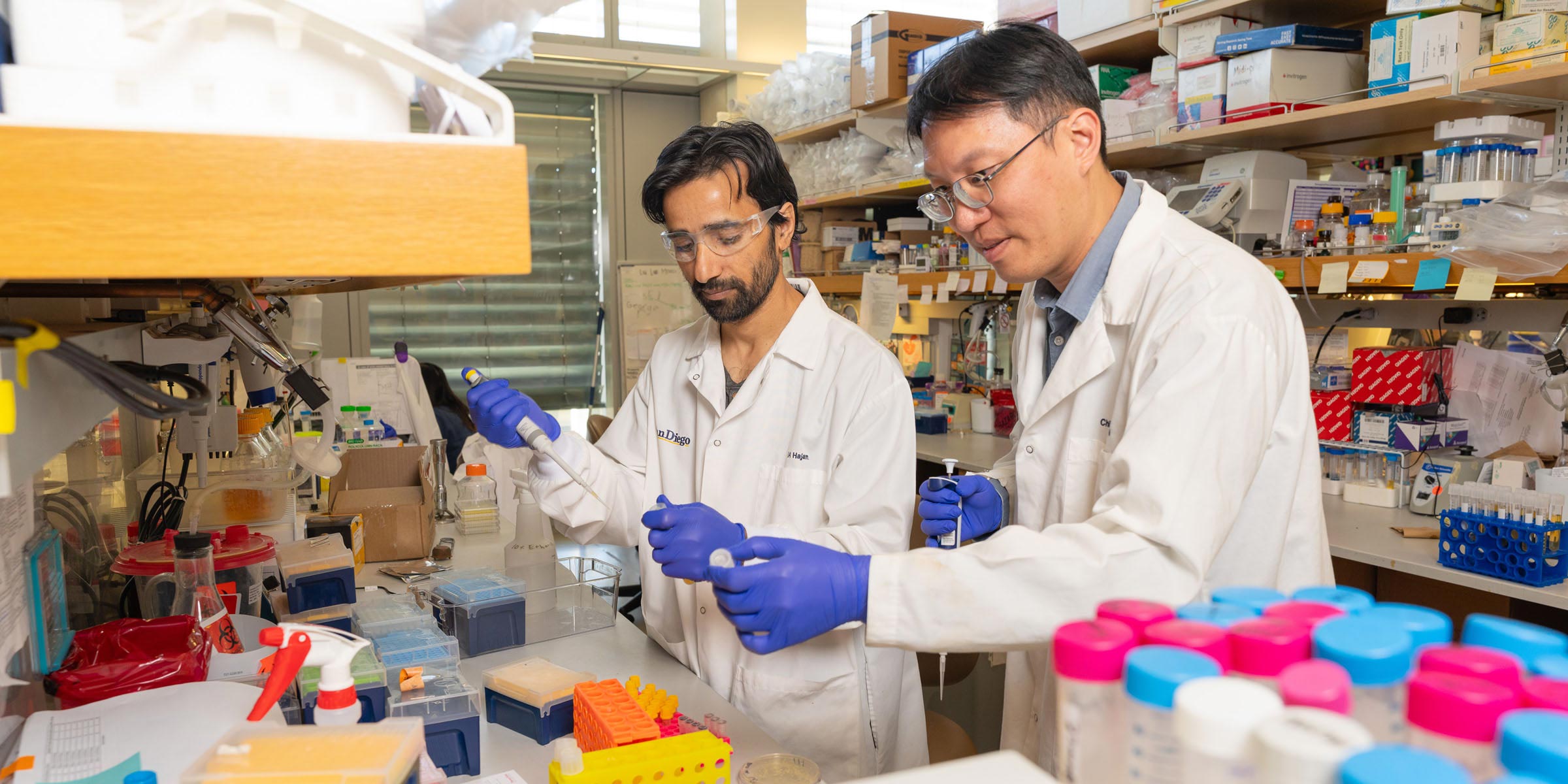
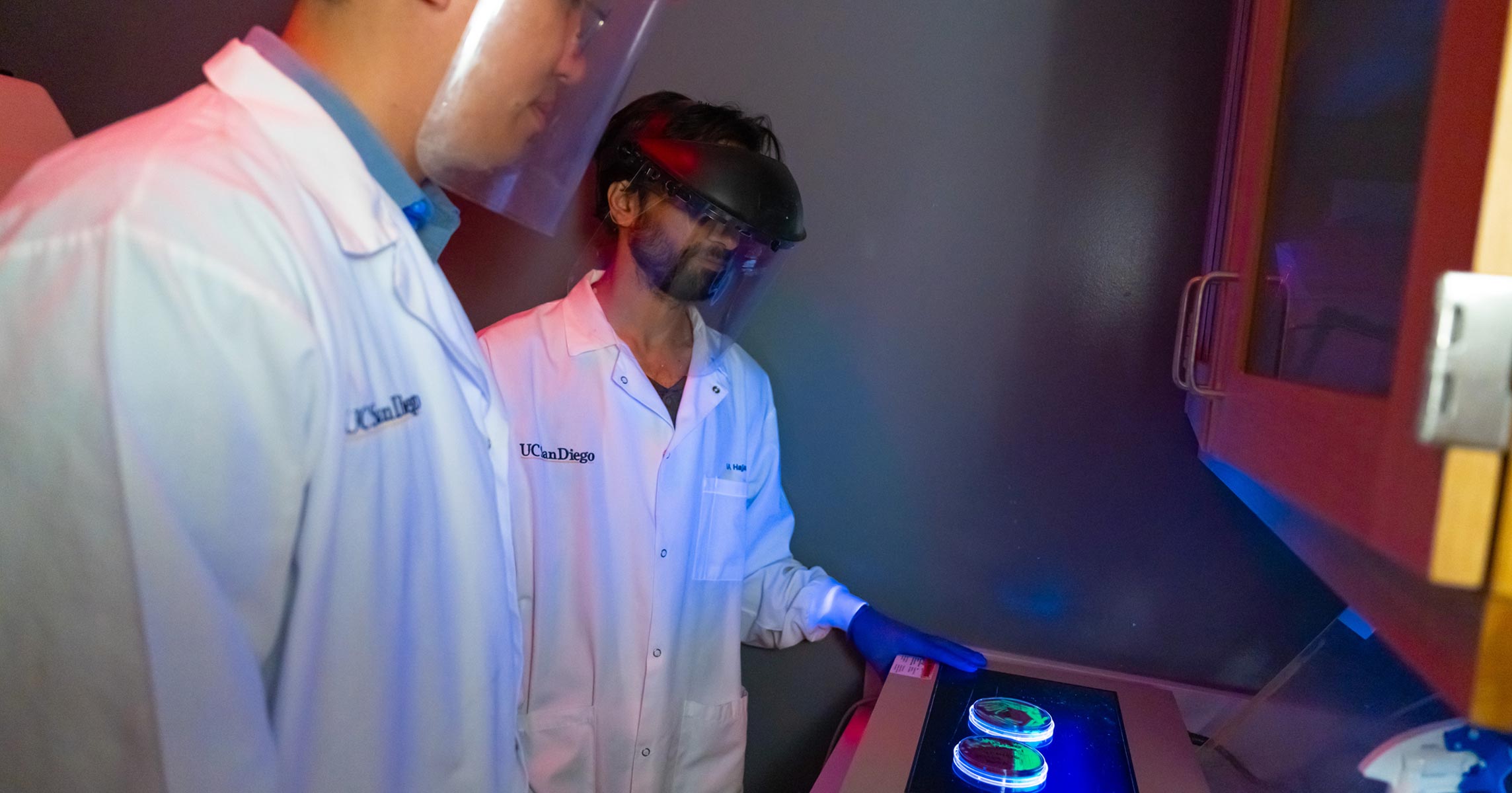
While the JCI study focused on the role of IL-10 in B cells, the Nature Communications paper, led by first author Irshad A. Hajam, Ph.D., an assistant project scientist in Liu’s lab, examined how S. aureus interacts with CD4+ T lymphocytes, also known as helper T cells. These are white blood cells that detect infections and activate other immune cells to attack and kill pathogens.
The researchers found that like B cells, helper T cells also secrete an overabundance of IL-10 in response to S. aureus in mice previously exposed to and later vaccinated for S. aureus.
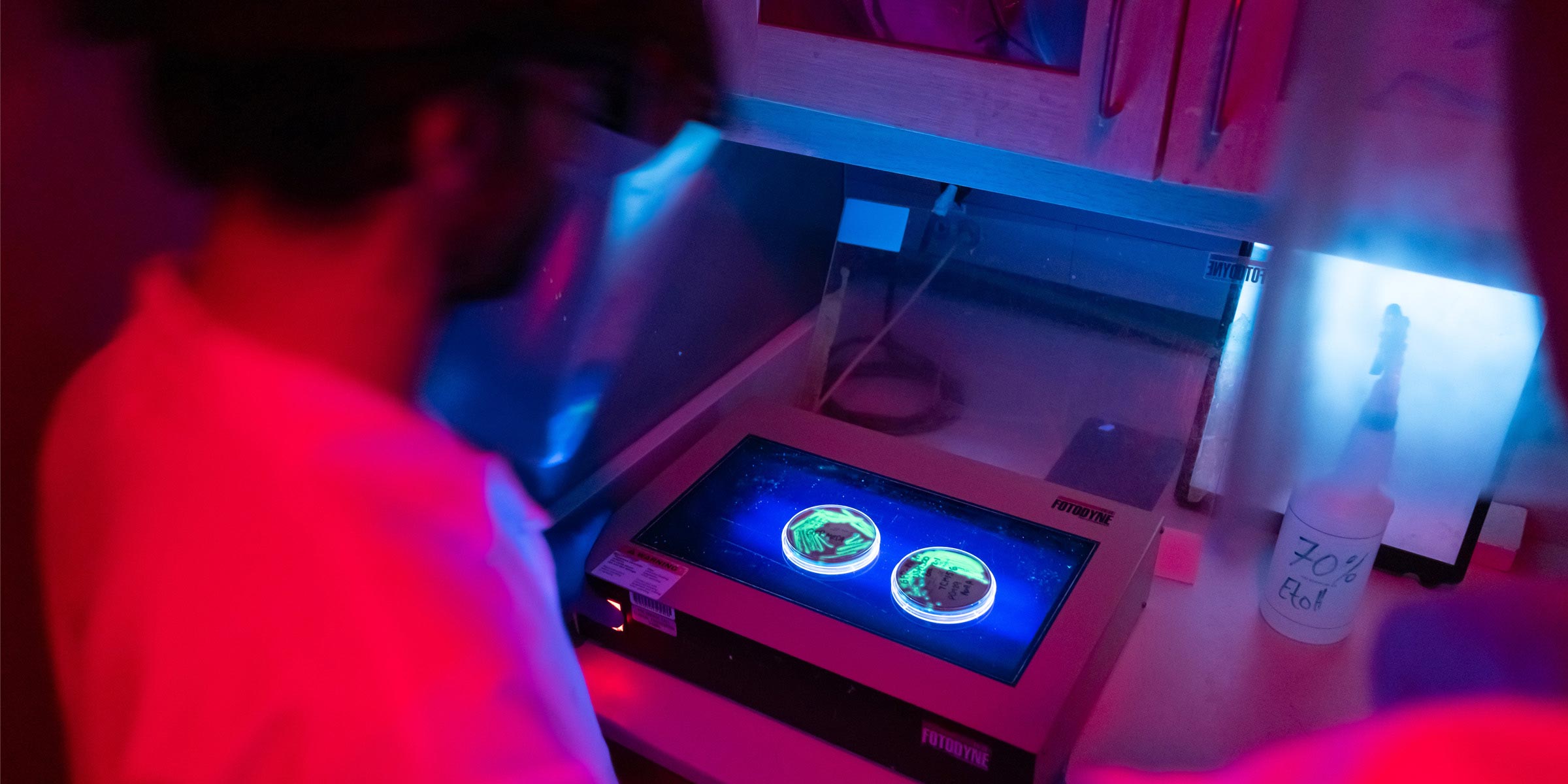
IL-10 shuts down the ability of the helper T cells to produce interleukin-17 (IL-17A), a cytokine that is particularly effective at fighting S. aureus infections. But by blocking IL-10 or adding a substance called CAF01 — known to enhance vaccine efficacy by increasing the response of T cells to microbial infections — the researchers were able to restore IL-17A levels.
“Adding CAF01 during vaccination helped turn the ineffective IsdB vaccine into one that worked in S. aureus-exposed mice,” said Hajam. “Surprisingly, it also worked with several other failed vaccines against S. aureus.”
The findings from both studies could be good news for human S. aureus vaccine development. Liu says it may be possible to make already-developed but failed S. aureus vaccines effective by blocking IL-10 or boosting IL-17A during vaccination. He adds that IL-10 production by a number of other microbes including (Clostridioides difficile and malaria) could be a reason why promising vaccines for these conditions have failed in human clinical trials, suggesting that blocking the cytokine could restore their efficacy as well.
References:
“Pathobiont-driven antibody sialylation through IL-10 undermines vaccination” by Chih-Ming Tsai, Irshad A. Hajam, J.R. Caldera, Austin W.T. Chiang, Cesia Gonzalez, Xin Du, Biswa Choudhruy, Haining Li, Emi Suzuki, Fatemeh Askarian, Ty’Tianna Clark, Brian Lin, Igor H. Wierzbicki, Angelica M. Riestra, Douglas J. Conrad, David J. Gonzalez, Victor Nizet, Nathan E. Lewis and George Y. Liu, 16 December 2024, The Journal of Clinical Investigation.
DOI: 10.1172/JCI179563
“Pathobiont-induced suppressive immune imprints thwart T cell vaccine responses” by Irshad Ahmed Hajam, Chih-Ming Tsai, Cesia Gonzalez, Juan Raphael Caldera, María Lázaro Díez, Xin Du, April Aralar, Brian Lin, William Duong and George Y. Liu, 16 December 2024, Nature Communications.
DOI: 10.1038/s41467-024-54644-w
Additional co-authors on the JCI study include: Irshad A. Hajam, J.R. Caldera, Biswa Choudhury, Cesia Gonzalez, Xin Du, Brian Lin, Haining Li, Ty’Tianna Clark, Fatemeh Askarian, Igor Wierzbicki, Emi Suzuki, Conrad J. Douglas, David J. Gonzalez, Victor Nizet, Nathan E. Lewis, all at UC San Diego School of Medicine; Angelica M. Riestra at San Diego State University; and Austin W.T. Chiang at Augusta University.
The JCI study was funded, in part, by the National Institutes of Health (grants R01AI127406, R01AI144694, R01AI181321, R01AI179098 and R35 GM119850) and the Novo Nordisk Foundation (NNF20SA0066621).
Additional co-authors on the Nature Communications study include: Chih-Ming Tsai, Cesia Gonzalez, Juan Raphael Caldera, María Lázaro Díez, Xin Du, April Aralar, Brian Lin, and William Duong, all at UC San Diego School of Medicine.
The Nature Communications study was funded, in part, by the National Institutes of Health (grants R01AI127406, R01AI179098, R01AI181321 and RO1AI144694).
Disclosures: Hajam and Liu have filed a patent application for the use of vaccine adjuvants that mediate efficient IL-17 type-immunity. All other authors declare no competing interests.
Never miss a breakthrough: Join the SciTechDaily newsletter.
Follow us on Google and Google News.
1 Comment
Because they suck. That’s why.