
Close Menu
    Facebook X (Twitter) Instagram
    SciTechDaily
    • Biology
    • Chemistry
    • Earth
    • Health
    • Physics
    • Science
    • Space
    • Technology
    Facebook X (Twitter) Pinterest YouTube RSS
    SciTechDaily
    Home»Health»Study Shows Calorie-Restricting Diets Slow Aging
    Health

    Study Shows Calorie-Restricting Diets Slow Aging

    By NYU Langone Medical CenterNovember 18, 2014No Comments3 Mins Read
    Facebook Twitter Pinterest Telegram LinkedIn WhatsApp Email Reddit
    Share
    Facebook Twitter LinkedIn Pinterest Telegram Email Reddit


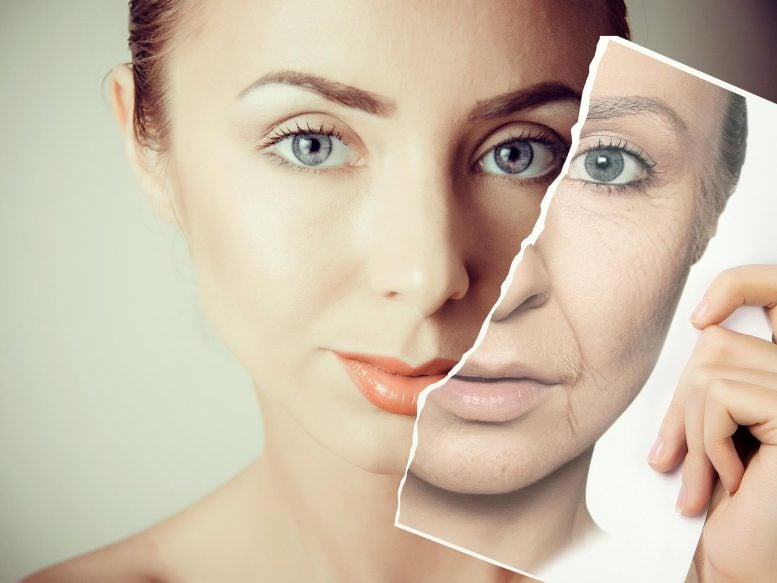
    Woman Face Aging Concept
    Research out of NYU Langone Medical Center shows that a low-calorie regimen influences brain gene expression as female mice age.

    Neuroscientists show that calorie-reduced diets stop the normal rise and fall in activity levels of close to 900 different genes linked to aging and memory formation in mice.

    The adage ‘you are what you eat’ has been around for years. Now, important new research provides another reason to be careful with your calories.

    In a presentation prepared for the Society for Neuroscience annual meeting in Washington, D.C., on November 17, researchers say their experimental results, conducted in female mice, suggest how diets with fewer calories derived from carbohydrates likely deter some aspects of aging and chronic diseases in mammals, including humans.

    “Our study shows how calorie restriction practically arrests gene expression levels involved in the aging phenotype — how some genes determine the behavior of mice, people, and other mammals as they get old,” says senior study investigator and NYU Langone neuroscientist, Stephen D. Ginsberg, PhD. Ginsberg cautions that the study does not mean calorie restriction is the “fountain of youth,” but that it does “add evidence for the role of diet in delaying the effects of aging and age-related disease.”

    While restrictive dietary regimens have been well-known for decades to prolong the lives of rodents and other mammals, their effects in humans have not been well understood. Benefits of these diets have been touted to include reduced risk of human heart disease, hypertension, and stroke, Ginsberg notes, but the widespread genetic impact on the memory and learning regions of aging brains has not before been shown. Previous studies, he notes, have only assessed the dietary impact on one or two genes at a time, but his analysis encompassed more than 10,000 genes.

    Ginsberg, an associate professor at NYU Langone and its affiliated Nathan S. Kline Institute for Psychiatric Research, says the research “widens the door to further study into calorie restriction and anti-aging genetics.”

    For the study, female mice, which like people are more prone to dementia than males, were fed food pellets that had 30 percent fewer calories than those fed to other mice. Tissue analyses of the hippocampal region, an area of the brain affected earliest in Alzheimer’s disease, were performed on mice in middle and late adulthood to assess any difference in gene expression over time.

    Funding support for the study was provided primarily by the US National Institutes of Health. Corresponding federal grant numbers are RR029893, TR000038, GM007238, R01 AG043375, P01 AG014449, and P01 AG017617. Additional funding support was provided by Alzheimer’s Association grant IIRG-12-237253.

    Besides Ginsberg, other NYU Langone researchers involved in these experiments were lead study investigator Marissa Schafer, PhD; and co-investigators Igor Dolgalev, MS, and Adriana Heguy, PhD.

    Never miss a breakthrough: Join the SciTechDaily newsletter.
    Follow us on Google and Google News.

    Aging Diet Neuroscience NYU Langone Medical Center
    Share. Facebook Twitter Pinterest LinkedIn Email Reddit

    Related Articles

    Scientists Identify Brain Aging “Sweet Spot”

    Simple & Free: Scientists Find What Enhances Your Immune System and Helps You Live Longer

    Toxic Protein Tau Exposed – Linked to Alzheimer’s and Neurodegenerative Diseases

    Revitalizing the Aging Brain by Activating Immune Cells

    Can a Mediterranean Diet Pattern Slow Aging?

    Eating Better Can Help You Live a Healthier, Longer Life

    New Study Shows Fructose Alters Brain Genes, Which Can Lead to Disease

    Dietary Cocoa Flavanols Reverse Age-Related Memory Decline in Older Adults

    Diets High in Fructose Lead to Overeating

    Leave A Reply Cancel Reply

    • Facebook
    • Twitter
    • Pinterest
    • YouTube

    Don't Miss a Discovery

    Subscribe for the Latest in Science & Tech!

    Trending News

    Scientists Uncover Potential Brain Risks of Popular Fish Oil Supplements

    Scientists Discover a Surprising Way To Make Bread Healthier and More Nutritious

    After 60 Years, Scientists Uncover Unexpected Brain Effects of Popular Diabetes Drug Metformin

    New Research Uncovers Hidden Side Effects of Popular Weight-Loss Drugs

    Scientists Rethink Extreme Warming After Surprising Ocean Discovery

    Landmark Study Links Never Marrying to Significantly Higher Cancer Risk

    Researchers Discover Unknown Beetle Species Just Steps From Their Lab

    Largest-Ever Study Finds Medicinal Cannabis Ineffective for Anxiety, Depression, PTSD

    Follow SciTechDaily
    • Facebook
    • Twitter
    • YouTube
    • Pinterest
    • Newsletter
    • RSS
    SciTech News
    • Biology News
    • Chemistry News
    • Earth News
    • Health News
    • Physics News
    • Science News
    • Space News
    • Technology News
    Recent Posts
    • Powerful Lasers Reveal How Matter Becomes Plasma in Trillionths of a Second
    • A Simpler Path to Super-Resolution: Scientists Reinvent Microscopy
    • Scientists Uncover Hidden Genetic Cause of Diabetes in Babies
    • Amazonian Chocolate Could Become the Next Superfood, Scientists Say
    • Challenging the Narrative: New Study Shows U.S. Life Expectancy Is Rising Across All States
    Copyright © 1998 - 2026 SciTechDaily. All Rights Reserved.
    • Science News
    • About
    • Contact
    • Editorial Board
    • Privacy Policy
    • Terms of Use

    Type above and press Enter to search. Press Esc to cancel.