
Close Menu
    Facebook X (Twitter) Instagram
    SciTechDaily
    • Biology
    • Chemistry
    • Earth
    • Health
    • Physics
    • Science
    • Space
    • Technology
    Facebook X (Twitter) Pinterest YouTube RSS
    SciTechDaily
    Home»Health»Study Shows New Obesity Treatment Semaglutide Reduces Body Weight Regardless of Patient Characteristics
    Health

    Study Shows New Obesity Treatment Semaglutide Reduces Body Weight Regardless of Patient Characteristics

    By European Association for the Study of ObesityMay 12, 2021No Comments3 Mins Read
    Facebook Twitter Pinterest Telegram LinkedIn WhatsApp Email Reddit
    Share
    Facebook Twitter LinkedIn Pinterest Telegram Email Reddit
    Obesity Weight Loss
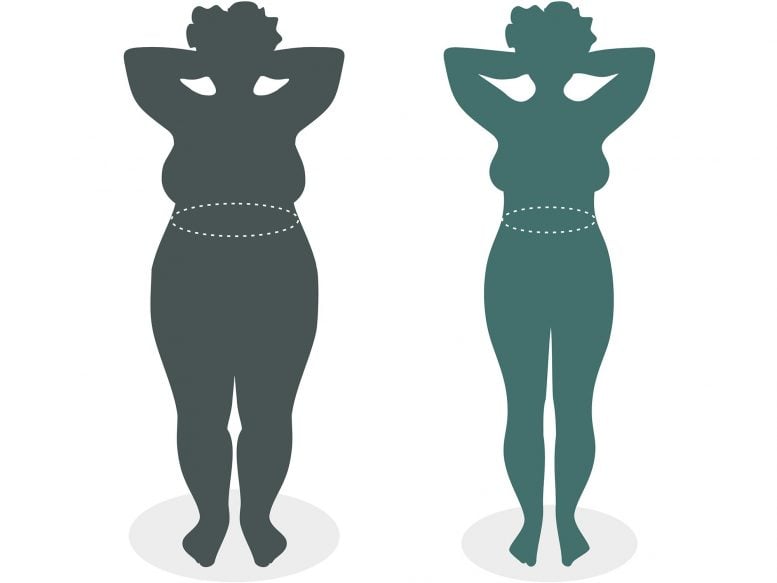
    New research shows semaglutide reduces body weight in adults with overweight or obesity, with females and those with lower baseline weight experiencing a slightly greater response.

    Females and those with lower body weight have better results.

    New research presented at this year’s European Congress on Obesity (held online, May 10-13) shows that treatment with the drug semaglutide reduces body weight in adults with overweight or obesity, regardless of their baseline characteristics.

    However, the study showed that female participants had slightly better results than males and also that participants with the lowest starting body weight responded slightly better than those with higher body weights. The study is by Professor Robert Kushner, Feinberg School of Medicine, Northwestern University, Chicago, IL, USA, and colleagues.

    Semaglutide is already approved for treatment for type 2 diabetes in multiple countries, and is under development for treatment of obesity. The STEP trials published over the past year have established the efficacy and safety of semaglutide 2.4 mg in treating people with overweight and obesity. In this new analysis of data from the STEP 1 trial (see link below), the researchers investigated weight loss in subgroups of participants based on their baseline characteristics.

    In STEP 1, adults without type 2 diabetes with either a body mass index (BMI) of at least 27 kg/m² plus one or more weight-related comorbidities, or a BMI of 30 kg/m² or above, were enrolled. Participants were randomized to a once-weekly injection of semaglutide 2.4 mg or placebo, both plus lifestyle intervention, for 68 weeks.

    Broad Weight Loss Benefits Across Subgroups

    The authors looked at what proportions of the participants achieved different levels of weight loss with semaglutide from baseline to week 68 (?20%, 15-<20%, 10-<15%, or 5-<10%) when grouped by different baseline characteristics (age, sex, race [White, Asian, Black or African American, or other], body weight, BMI, waist circumference and glycaemic status [normal blood sugar, or pre-diabetes]). Mean percent weight loss with semaglutide from baseline to week 68 was analyzed separately by sex (male, female) and baseline body weight (?115 kg, 100-<115 kg, 90-<100 kg, <90 kg) subgroup.

    The original study included 1,961 randomized participants (mean age 46 years, body weight 105.3 kg, BMI 37.9 kg/m²; 74.1% female). For categorical weight loss, the observed proportions of participants with ?20%, 15-<20%, 10-<15% and 5-<10% weight loss at week 68 were 34.8%, 19.9%, 20.0% and 17.6% with semaglutide vs 2.0%, 3.0%, 6.8% and 21.2% with placebo, respectively.

    The distribution of participants across weight-loss groups did not appear to be affected by any baseline characteristics, except sex and baseline body weight. Mean percent weight loss at week 68 with semaglutide was greater among females (-18.4%) than males (-12.9%), and in participants with lower vs higher baseline body weight (-18.6% for participants with <90 kg body weight at baseline; -13.9% for participants with ?115 kg baseline body weight).

    The authors conclude: “We found that weight loss with once-weekly injections of semaglutide 2.4 mg was seen in all subgroups evaluated and was generally not influenced by baseline characteristics. The exceptions were sex and baseline body weight; female sex and a low baseline body weight were associated with a slightly greater response to semaglutide. These data support the use of semaglutide 2.4 mg across a broad population of patients with overweight or obesity.”

    Never miss a breakthrough: Join the SciTechDaily newsletter.
    Follow us on Google and Google News.

    Obesity Semaglutide Weight Loss
    Share. Facebook Twitter Pinterest LinkedIn Email Reddit

    Related Articles

    Outsmarting Obesity: How One Genetic Variant Could Ward Off Weight Gain

    Revolutionary Obesity Treatment: Tirzepatide Shows Groundbreaking 21.1% Weight Loss

    Weight Loss Medications Could Be Sold for Lower Prices: Semaglutide, Bupropion, Naltrexone, Tirzepatide

    New Study: Taking Semaglutide Helps Teens Lose Weight and Improve Heart Health

    New Game-Changing Obesity Drug Dramatically Reduces Risk of Type 2 Diabetes

    Over 4 Million Deaths per Year Caused by Obesity: Safe, Non-Invasive Treatments Could Help End Epidemic

    Weight Loss of 15% or More Should Be Central Focus of Type 2 Diabetes Management

    Diabetes Medication Semaglutide Reduces Excess Body Fat in People With Obesity

    Significant Advance in the Treatment of Obesity: “Gamechanger” Drug Cuts Body Weight by 20%

    Leave A Reply Cancel Reply

    • Facebook
    • Twitter
    • Pinterest
    • YouTube

    Don't Miss a Discovery

    Subscribe for the Latest in Science & Tech!

    Trending News

    The Universe Is Expanding Too Fast and Scientists Can’t Explain Why

    “Like Liquid Metal”: Scientists Create Strange Shape-Shifting Material

    Early Warning Signals of Esophageal Cancer May Be Hiding in Plain Sight

    Common Blood Pressure Drug Shows Surprising Power Against Deadly Antibiotic-Resistant Superbug

    Scientists Uncover Dangerous Connection Between Serotonin and Heart Valve Disease

    Scientists Discover a “Protector” Protein That Could Help Reverse Hair Loss

    Bone-Strengthening Discovery Could Reverse Osteoporosis

    Scientists Uncover Hidden Trigger Behind Stem Cell Aging

    Follow SciTechDaily
    • Facebook
    • Twitter
    • YouTube
    • Pinterest
    • Newsletter
    • RSS
    SciTech News
    • Biology News
    • Chemistry News
    • Earth News
    • Health News
    • Physics News
    • Science News
    • Space News
    • Technology News
    Recent Posts
    • A Common Diabetes Drug May Hold the Key to Stopping HIV From Coming Back
    • Ancient “Syphilis-Like” Disease in Vietnam Challenges Key Scientific Assumptions
    • Drinking Alcohol To Cope in Your 20s Could Damage Your Brain for Life
    • Scientists Crack Alfalfa’s Chromosome Mystery After Decades of Debate
    • Ancient Ant-Plant Alliance Collapses As Predatory Wasps Move In
    Copyright © 1998 - 2026 SciTechDaily. All Rights Reserved.
    • Science News
    • About
    • Contact
    • Editorial Board
    • Privacy Policy
    • Terms of Use

    Type above and press Enter to search. Press Esc to cancel.