
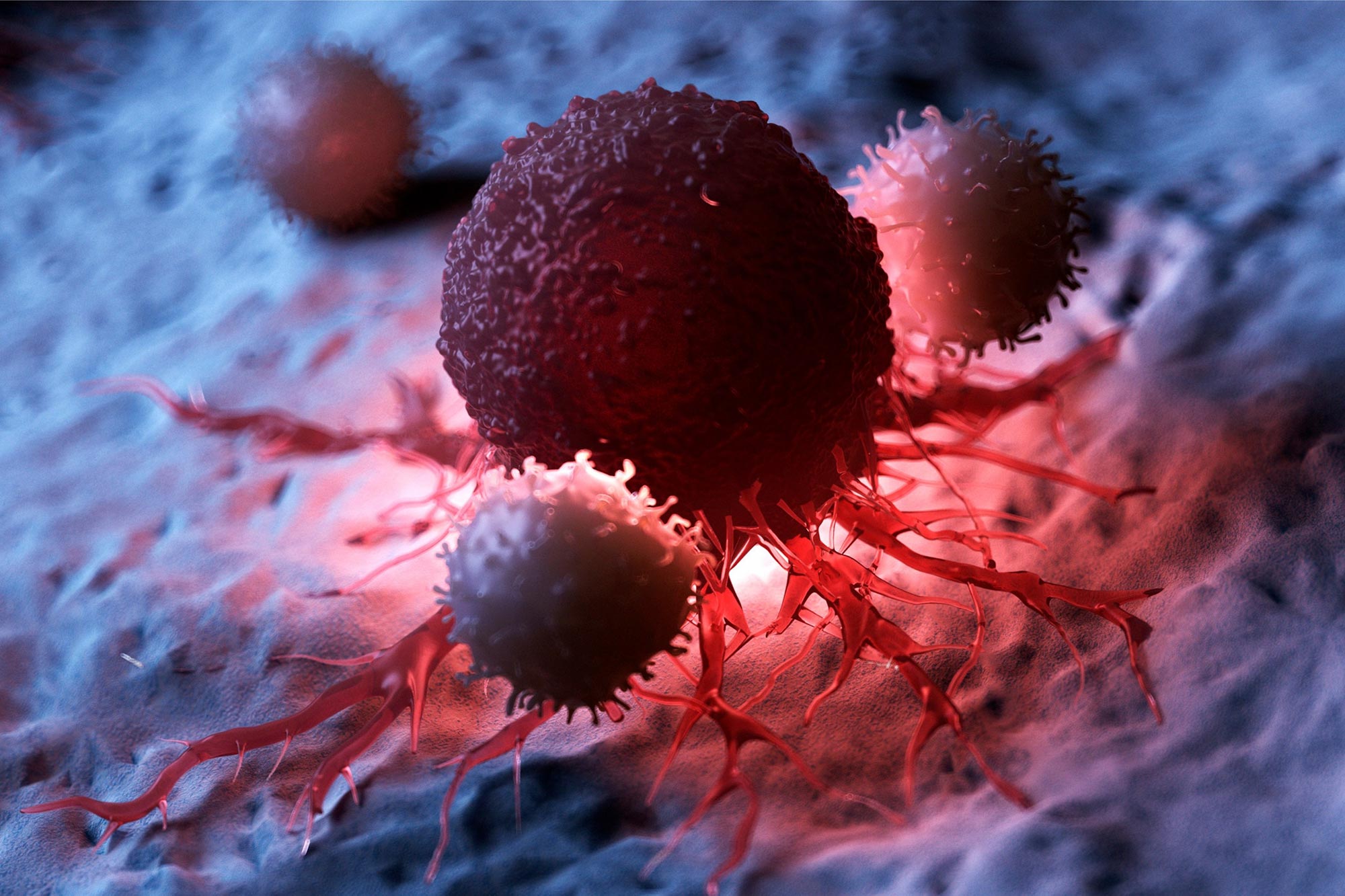
Christina Zielinski and her team have discovered that sodium chloride can enhance the activity of specific immune cells in combating cancer.
Sodium chloride, commonly known as “table salt,” was once a highly prized commodity. Today, it is both affordable and essential in the kitchen. Unsurprisingly, salt has also made its way into our everyday language, often carrying negative connotations. However, the phrase “rubbing salt into the wound” may soon take on a positive meaning, particularly in the context of cancer therapy.
In the past, cancer was usually a death sentence, but research has made considerable progress in recent decades and has significantly increased the survival time with a high quality of life for many types of cancer. Recently, adoptive T-cell therapy in particular has developed into an effective treatment tool.
Here, certain of the body’s own white blood cells, the T cells, are modified in such a way that they can specifically recognize and fight tumor cells. The effectiveness of this method is influenced by the metabolic activity of the T cells, which is usually suppressed in the immunosuppressive environment of a tumor. It is therefore important to identify factors that overcome this suppression.
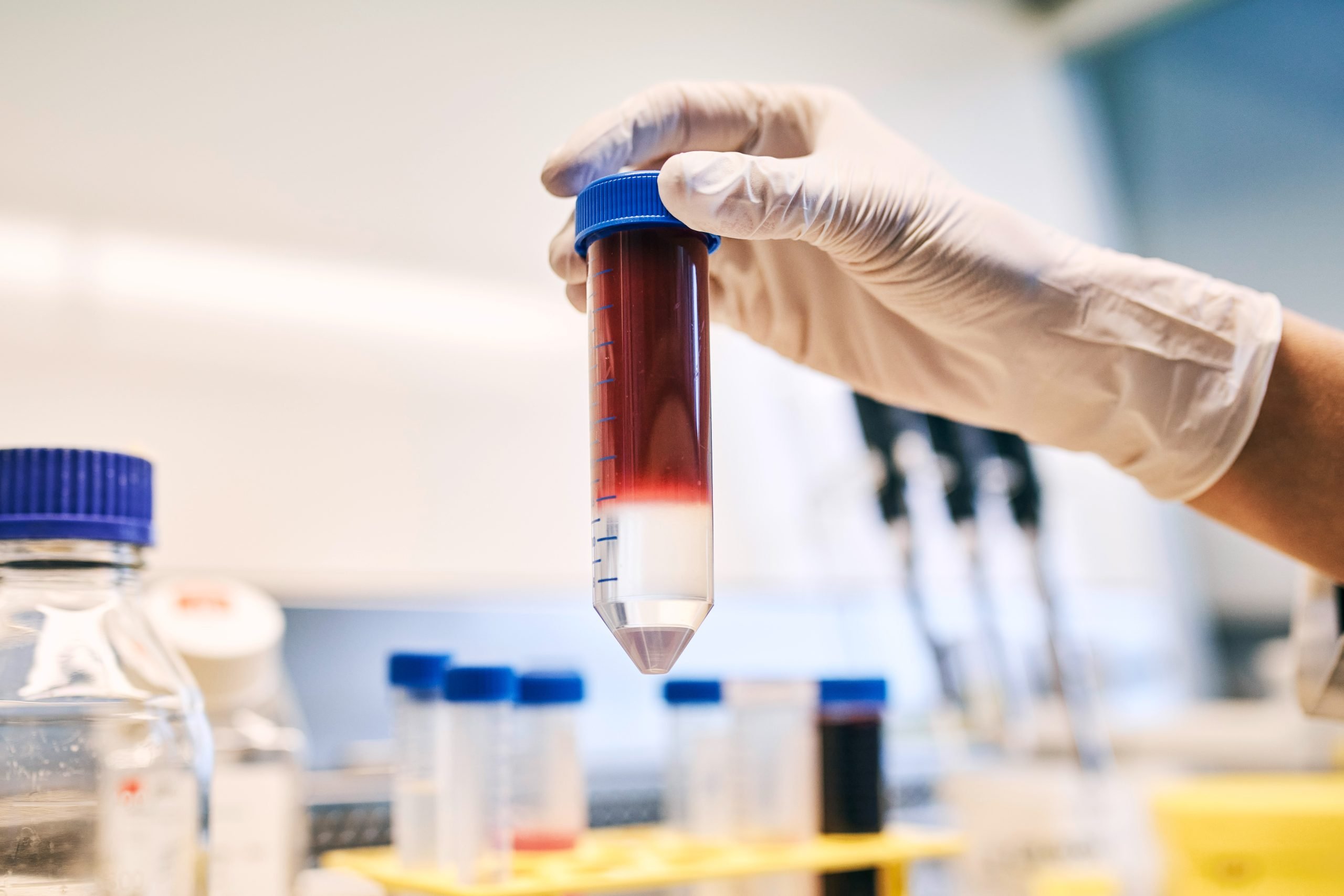
The team led by Christina Zielinski from the Leibniz Institute for Natural Product Research and Infection Biology – Hans Knöll Institute (Leibniz-HKI) in Jena has now discovered one of these factors: Sodium ions – a component of sodium chloride – increase the efficiency of antitumoral T cells. The researchers were able to show that breast cancer tumors have a higher sodium concentration than healthy tissue and that T cells act particularly strongly against tumors when the immediate environment has a higher sodium concentration. These patients then even have a longer survival time.
“We were able to show that sodium enhances the immune response of CD8+ T cells,” says Chang-Feng Chu, who is a first author of the study. CD8+ T cells are immune cells that can recognize and kill tumor cells or cells infected with viruses in the body. “Previous research has already shown that sodium regulates other types of T cells involved in autoimmune diseases and allergies. We wanted to find out what effect sodium has specifically on the activity of human CD8+ T cells,” explains Shan Sun, another first author.
The researchers therefore used various technologies to investigate the effect of sodium ions on gene regulation and the metabolic process of CD8+ T cells. “We pre-treated the human T cells with salt and then cultured them with tumors. We also carried out mouse experiments with T cells,” Chu explains the key experiment.
Immune cells become fitter
The researchers found that the salt improved the metabolic fitness of the CD8+ T cells by increasing the uptake of sugar and amino acids and thus energy production in the cells. As a result, the immune cells were better able to eliminate tumor cells, as the experiments on cell cultures and mice have shown. “Pancreatic tumors shrank in the mice after we injected them with T cells pre-treated with salt,” says Chu.
But how exactly does sodium work in the cell? “Sodium ions increase the activity of the sodium-potassium pump on the cell membrane of T cells. This leads to a change in the membrane potential, which in turn increases the activation of the T-cell receptor,” reports Sun. “This signal amplification makes it easier for the immune cells to kill tumor cells more efficiently.” Her colleague Chu adds: “The salt also protects the T cells from becoming exhausted too quickly. This is important because exhausted T cells gradually lose their ability to fight cancer cells.”
The research team recommends using sodium chloride as a positive regulator for the “killer” function of T cells in the future. Of course, this is not about patients consuming more salt in their diet. Rather, it is conceivable that the immune cells are exposed to an increased salt concentration outside the body and become highly active against tumor cells after being administered to the patients. Ordinary table salt could therefore support adoptively transferred T cells in the fight against cancer and possibly also against infectious diseases that require a defense against infected cells. So, the expression “rubbing salt into someone’s wound” does not necessarily remain a negative one.
Reference: “Sodium chloride in the tumor microenvironment enhances T cell metabolic fitness and cytotoxicity” by Dominik Soll, Chang-Feng Chu, Shan Sun, Veronika Lutz, Mahima Arunkumar, Mariam Gachechiladze, Sascha Schäuble, Maha Alissa-Alkhalaf, Trang Nguyen, Michelle-Amirah Khalil, Ignacio Garcia-Ribelles, Michael Mueller, Katrin Buder, Bernhard Michalke, Gianni Panagiotou, Kai Ziegler-Martin, Pascal Benz, Philipp Schatzlmaier, Karsten Hiller, Hannes Stockinger, Maik Luu, Kilian Schober, Carolin Moosmann, Wolfgang W. Schamel, Magdalena Huber and Christina E. Zielinski, 28 August 2024, Nature Immunology.
DOI: 10.1038/s41590-024-01918-6
Funding: German Research Foundation, Cluster of Excellence “Balance of the Microverse”, German Federal Ministry of Education and Research, Leibniz Center for Photonics in Infection Research, Carl Zeiss Foundation.
Never miss a breakthrough: Join the SciTechDaily newsletter.
Follow us on Google and Google News.
5 Comments
“The researchers were able to show that breast cancer tumors have a higher sodium concentration than healthy tissue and that T cells act particularly strongly against tumors when the immediate environment has a higher sodium concentration. These patients then even have a longer survival time.” This is a confusing finding. How breast tumors achieve a higher sodium level that the rest of the breast is not addressed. And why there is a tumor given that there is more sodium, which activates anti-tumor T-cells?
Actually, one likely explanation for the increased sodium in these tumor microenvironments is due to lymphedema, which is known to increase tissue sodium levels. Now, why would there be lymphedema of the breasts? It has to do with wearing tight bras, which have been shown in many studies to increase breast cancer incidence. This study did not look at bra usage in the women with these tumors, which is a study flaw. Tumor microenvironment is affected by constriction and compression from tight clothing, which hampers lymphatic function. See my article, Tight Clothing Affects Tumor Microenvironment. https://www.academia.edu/114117362/Tight_Clothing_Affects_Tumor_Microenvironment
“Of course, this is not about patients consuming more salt in their diet.” Actually, the study does suggest this conclusion.
The opening statement is false. Salt was not a “highly prized commodity”. In the middle ages, the average price of salt was less than wheat.
So time only goes back to the Middle Ages? And even there, it would depend on location. Landlocked areas without a nearby salt source would surly have much higher prices for salt. In Medieval Europe, the expression “sit above the salt” originated from the practice of placing valuable salt cellars near the head of the table, where more important guests sat. Chinese governments for ages had a salt monopoly, and used it effectively as taxation. And this was far from unique. In Ancient Rome, salt was so valuable that Roman soldiers were sometimes paid partly in salt, leading to the term “salary.”
Even after the Middle Ages, in Europe, salt had periods of high prices, such as during the Napoleonic Wars.
Depended on where one lived. Near salt-producing areas it approached 1:1 with wheat. Far away, salt could be dozens of times more expensive.
Interesting about tight clothing effect on health