
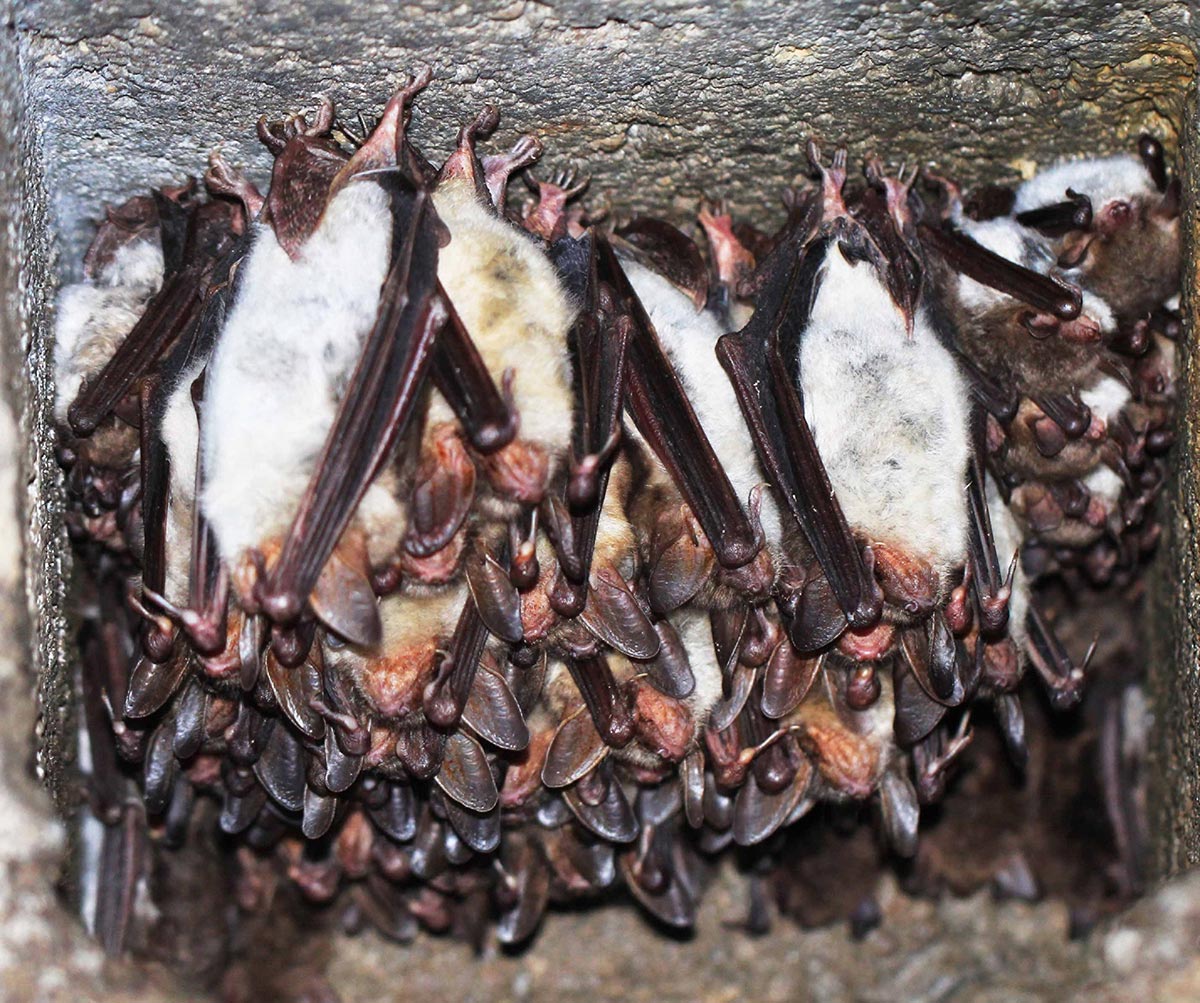
The evolution of viral tolerance in Myotis bats may help scientists prevent future pandemics, say researchers at Texas A&M.
Bats carry some of the deadliest zoonotic diseases that can infect both humans and animals, such as Ebola and COVID-19.
In a recently published article in the journal Cell Genomics, a Texas A&M research team revealed that some species of bats are protected against the viruses they carry because they commonly exchange immune genes during seasonal mating swarms.
“Understanding how bats have evolved viral tolerance may help us learn how humans can better fight emerging diseases,” said Dr. Nicole Foley, from the Texas A&M School of Veterinary Medicine & Biomedical Sciences (VMBS). “As genomicists, our work often lays the groundwork for research by scientists who study virus transmission directly. They may be developing vaccines for diseases or monitoring vulnerable animal populations. We all depend on each other to stay ahead of the next pandemic.”
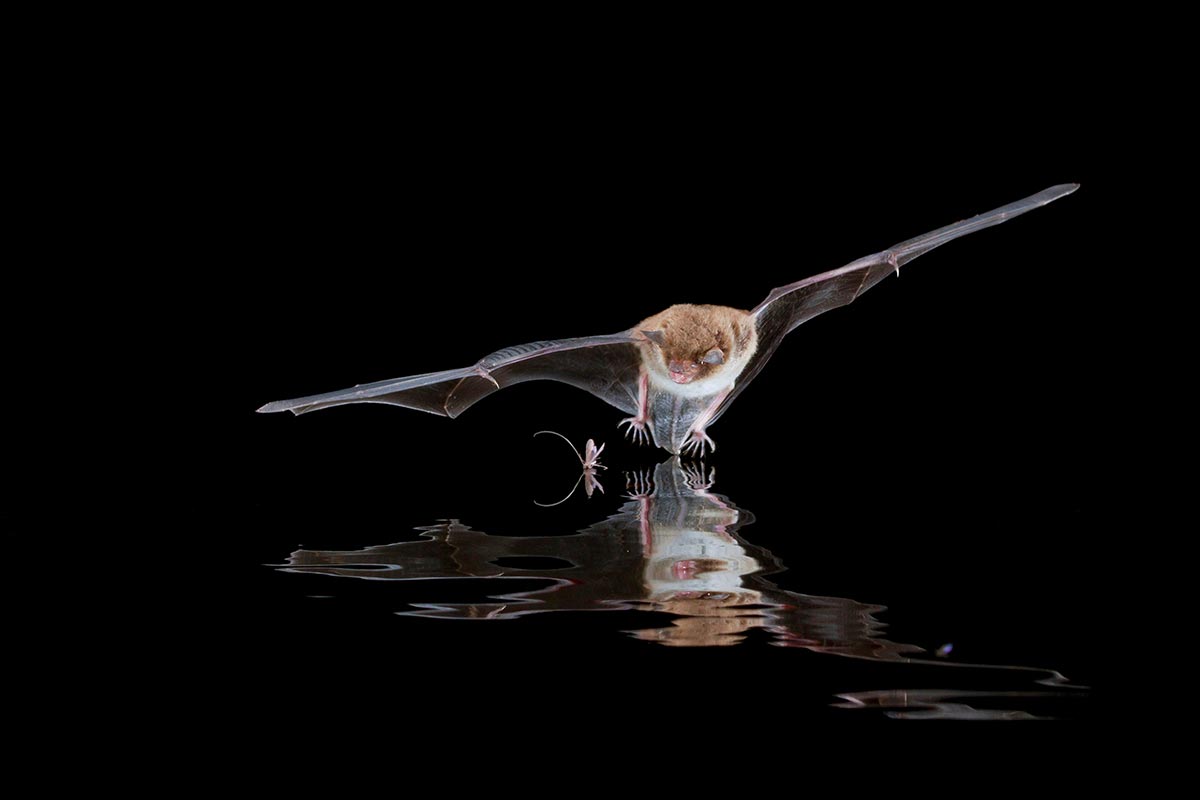
Because bats are often immune to the diseases they carry, Foley and Dr. Bill Murphy, a professor in the VMBS’ Department of Veterinary Integrative Biosciences, believe that studying bats’ disease immunity could hold the key to preventing the next global pandemic.
“Because of the COVID-19 pandemic, the prediction and prevention of outbreaks is front of mind for researchers and the public alike,” Foley said. “Several bat species are tolerant of viruses that are detrimental to human health, which means they become reservoirs for disease — they carry the viruses, but crucially they don’t develop symptoms.”
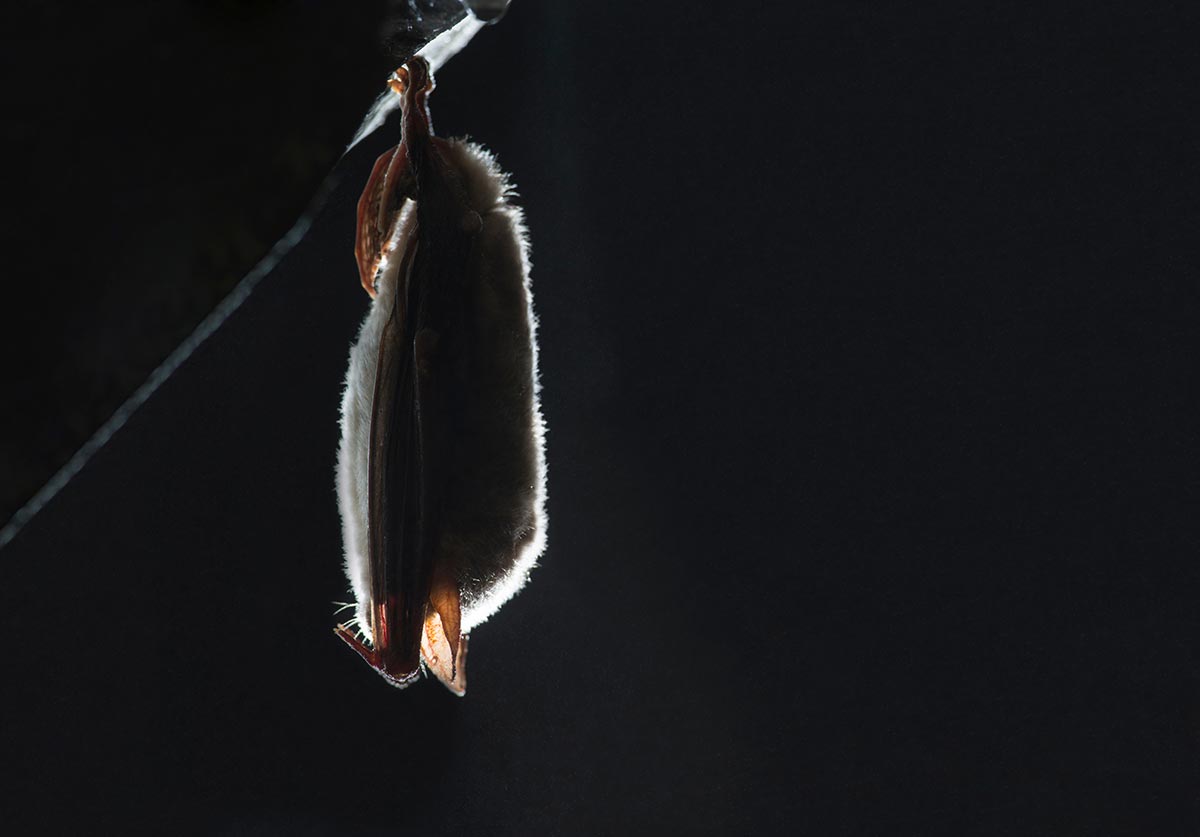
The Secret Of Swarming Behavior
To uncover exactly how bats have evolved tolerance to these deadly viruses, Foley, Murphy, and their international research partners mapped the evolutionary tree of Myotis bats, something they knew to be crucial in trying to identify which genes might be involved.
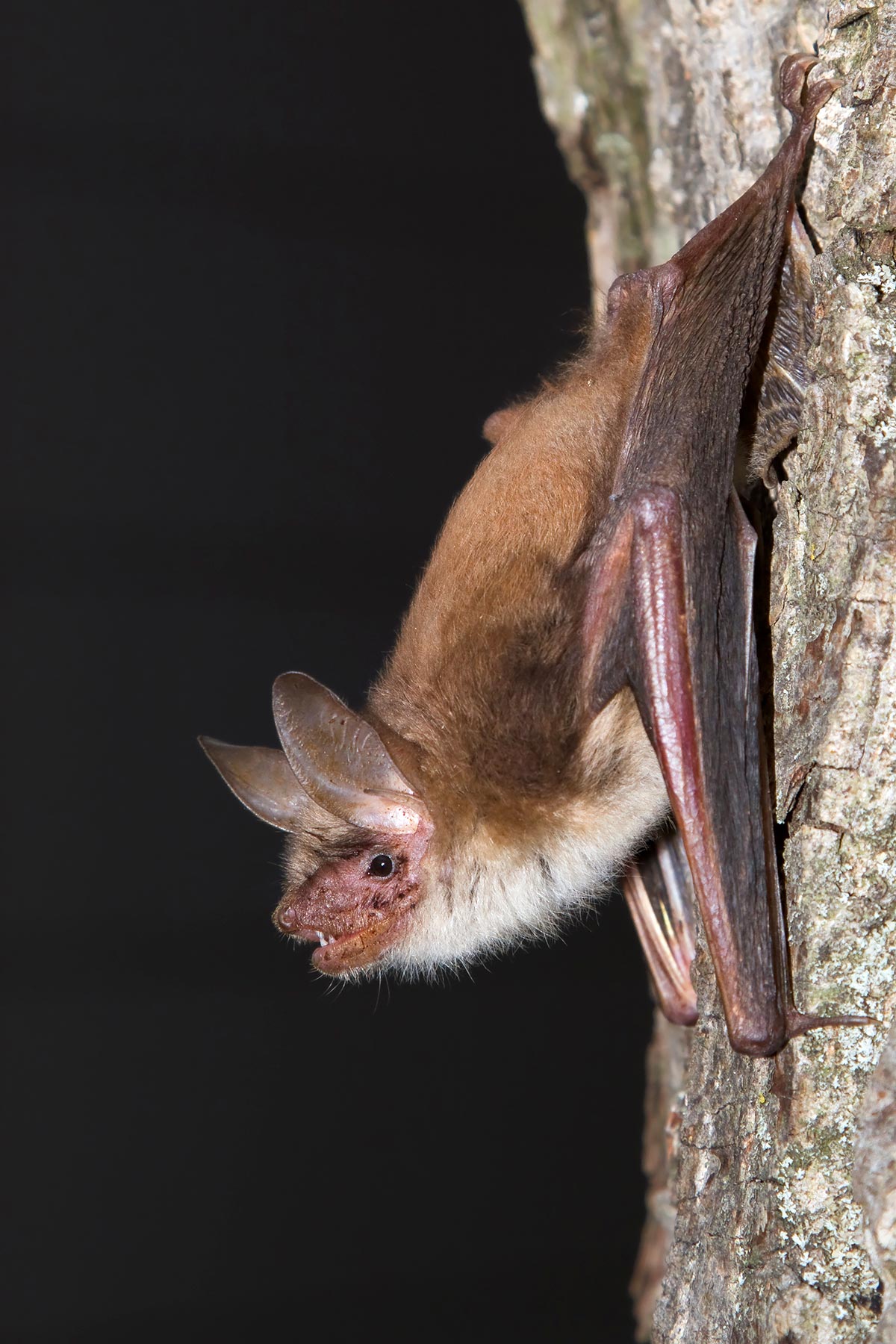
“Myotis bats are the second-largest genus of mammals, with over 140 species,” she said. “They’re found almost all over the world and they host a large diversity of viruses.”
To add to the difficulties associated with figuring out relationships among species, Myotis and other bat species also engage in swarming behavior during mating.
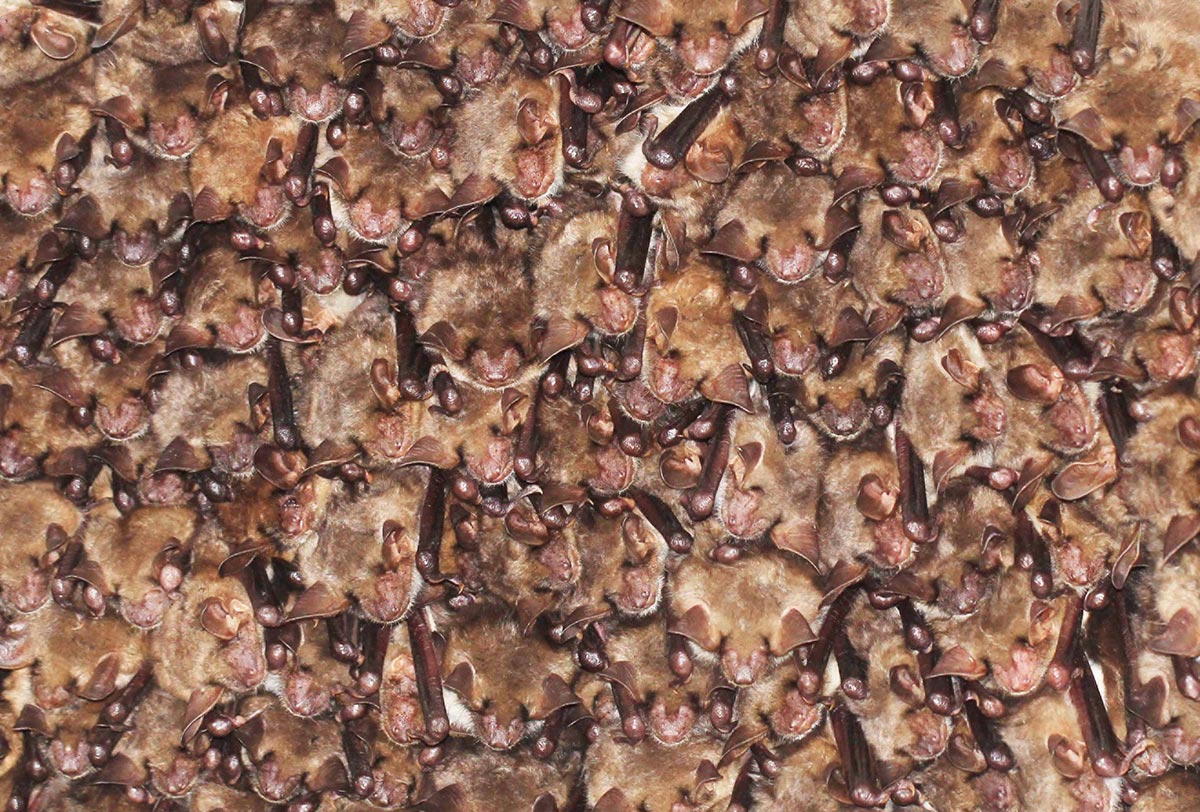
“You can think of swarming behavior like a social gathering; there’s lots of flight activity, increased communication, and inter-species mingling; for bats, it’s not unlike going to a club,” Foley said.
Complicating things for the researchers, swarming creates increased numbers of hybrids — individual bats with parents from different species.
“The problem with Myotis bats is that there are so many species, about 130, but they all look very similar,” Foley said. “It can be very hard to distinguish them from each other, and then hybridization makes it even more difficult. If we’re trying to map out how these bats evolved so we can understand their disease immunity, being able to tell who’s who is very important.”
Untangling Hybridization
With this in mind, to create a map of the true relationships between Myotis bats, Foley and Murphy first untangled the genetic code for hybridization so they could tell more clearly which species were which.
“We collaborated with researchers from Ireland, France, and Switzerland to sequence the genomes of 60 Myotis bat species,” she explained. “That allowed us to figure out which parts of the DNA represented the species’ true evolutionary history and which parts arose from hybridization.”
With that part of the puzzle solved, the researchers were finally able to examine the genetic code more closely to see how it might shed light on disease immunity.
They found that immune genes were some of those most frequently exchanged between species while swarming.
“Swarming behavior has always been a bit of a mystery for researchers,” Foley said. “Now we have a better understanding of why this particular behavior evolved — perhaps to promote hybridization, which helps spread beneficial immune gene variants more widely throughout the population.”

New Questions For Researchers
Foley and Murphy’s findings have opened the doors to new questions about the importance of hybridization in evolution.
“Hybridization played a much bigger role in our findings than we anticipated,” Foley noted. “These results have led us to wonder to what extent hybridization has obscured genomicists’ knowledge of mammalian evolutionary history, so far.
“Now, we’re hoping to identify other instances where hybridization has occurred among mammals and see what we can learn about how they are related and even how and why genomes are organized the way that they are,” she said.
Reference: “Karyotypic stasis and swarming influenced the evolution of viral tolerance in a species-rich bat radiation” by Nicole M. Foley, Andrew J. Harris, Kevin R. Bredemeyer, Manuel Ruedi, Sebastien J. Puechmaille, Emma C. Teeling, Michael F. Criscitiello and William J. Murphy, 17 January 2024, Cell Genomics.
DOI: 10.1016/j.xgen.2023.100482
Never miss a breakthrough: Join the SciTechDaily newsletter.
Follow us on Google and Google News.