
Close Menu
    Facebook X (Twitter) Instagram
    SciTechDaily
    • Biology
    • Chemistry
    • Earth
    • Health
    • Physics
    • Science
    • Space
    • Technology
    Facebook X (Twitter) Pinterest YouTube RSS
    SciTechDaily
    Home»Biology»The Aquatic Network: Freshwater Connectivity Transports eDNA Through the Landscape
    Biology

    The Aquatic Network: Freshwater Connectivity Transports eDNA Through the Landscape

    By Queen Mary University of LondonSeptember 14, 2023No Comments3 Mins Read
    Facebook Twitter Pinterest Telegram LinkedIn WhatsApp Email Reddit
    Share
    Facebook Twitter LinkedIn Pinterest Telegram Email Reddit
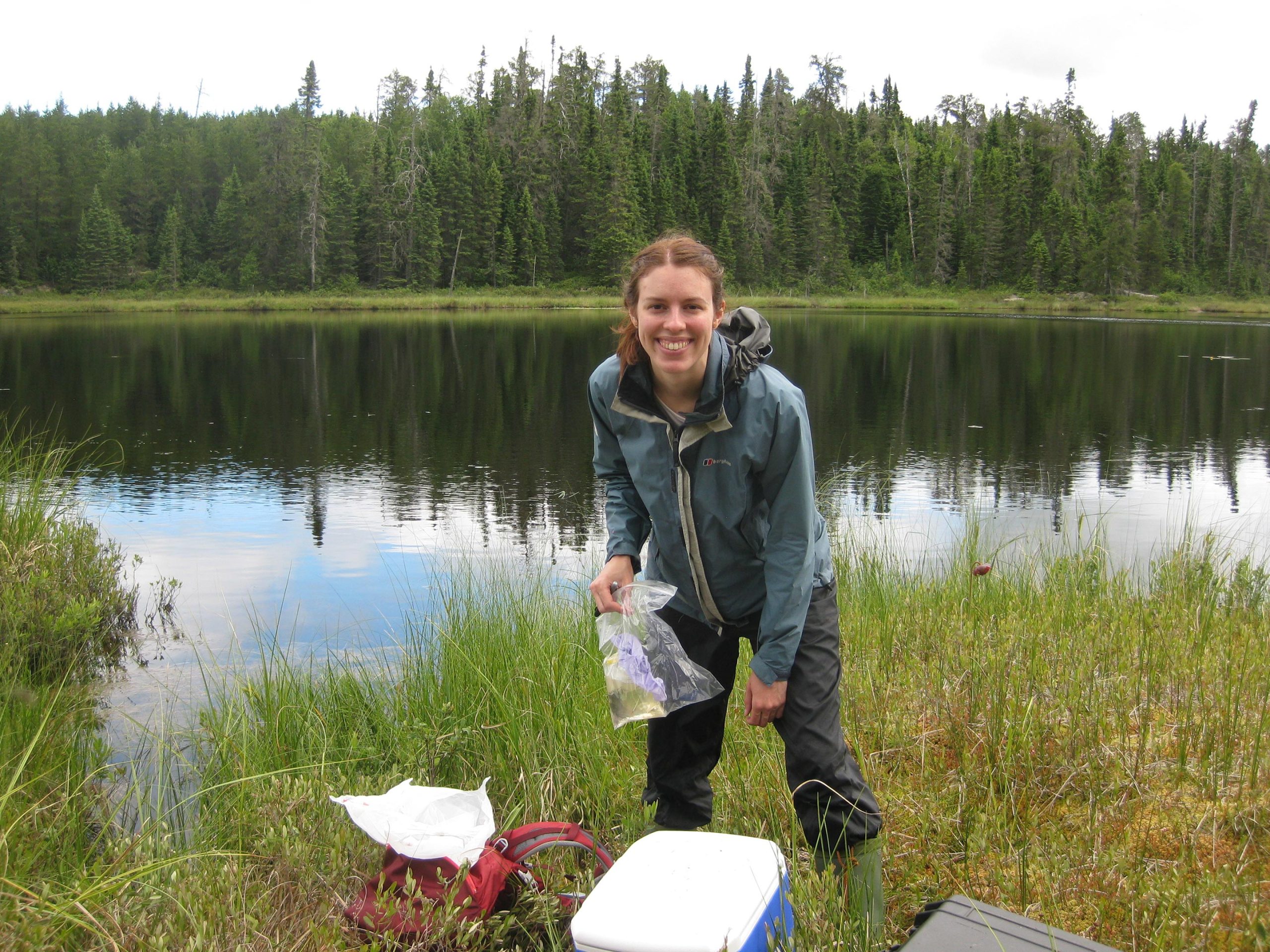
    Dr. Littlefair Collecting a Water Sample
    Dr. Littlefair collecting a water sample at the lake shoreline which will later be analyzed for environmental DNA. Credit: Rachel Henderson

    A study revealed the potential of environmental DNA (eDNA) in tracking freshwater biodiversity, with the movement of water influencing eDNA transport. Research in Canada’s lakes emphasized the importance of understanding waterway connectivity for effective eDNA monitoring and called for further studies to refine its application.

    A new paper published in the journal Proceedings of the Royal Society B used environmental DNA (eDNA) metabarcoding to analyze fish and zooplankton communities. The study found that the movement of water between freshwater bodies, or freshwater connectivity, can transport eDNA. This highlights the potential of eDNA to provide a comprehensive view of freshwater biodiversity.

    Aquatic Ecosystems and DNA Tracking

    Aquatic ecosystems are interlinked by waterways, which allow fish, plants, and other organisms to move from one place to another. This connectivity is important for the resilience of aquatic populations, but it can also make it difficult to track the DNA of these organisms.

    Research Findings and Implications

    The study, spearheaded by Dr. Joanne Littlefair, a lecturer in biological sciences at Queen Mary University of London, looked at three lake networks containing 21 lakes in Canada’s Boreal Forest at IISD Experimental Lakes Area. The researchers found that within-lake eDNA generally reflected the habitat preferences of the species, but that some eDNA was also transported into downstream lakes. Lakes with a higher degree of connectivity had more eDNA detections that could not be explained by conventional monitoring techniques.
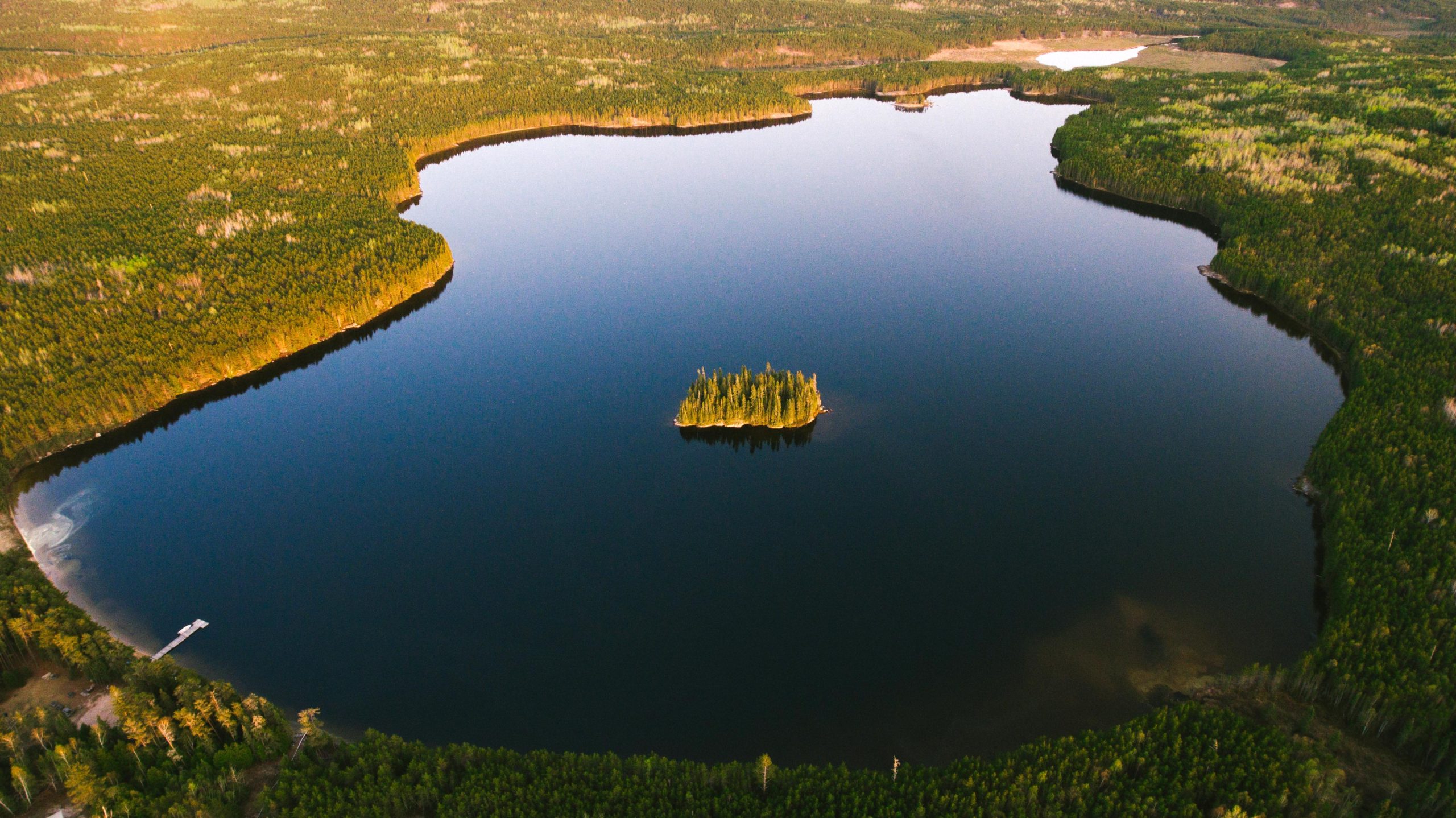
    IISD-Experimental Lakes Area
    The study was conducted at IISD-Experimental Lakes Area, a center for whole-ecosystem freshwater research in Ontario, Canada. Connected lakes were selected for the study to analyze how environmental DNA accumulates throughout the landscape. Credit: IISD-ELA

    The findings have implications for the use of eDNA to monitor biodiversity in freshwater ecosystems. eDNA is a promising tool for biodiversity monitoring, but data must be interpreted in light of connectivity in the landscape.

    Expert Comments and Further Research Needs

    “eDNA can be used to detect the presence of species that are not easily monitored using conventional methods, including invasive species, or for monitoring the presence of rare or endangered species,” said Dr. Littlefair.”  “Our study showed that eDNA surveys can be carefully designed to consider the connectivity of the freshwater system being studied. In systems with high levels of connectivity, it is important to collect samples from multiple locations, which will allow us to build a complete picture of the biodiversity present.”

    The study also highlights the need for more research on the factors, such as the effects of water movement, influencing the spatial resolution of eDNA detection. For example, if the water in an ecosystem is moving quickly, then it may be necessary to collect more samples to increase the chances of detecting eDNA. This research will help to improve scientists’ understanding of how eDNA can be used to monitor and conserve aquatic biodiversity.

    Reference: “Freshwater connectivity transforms spatially integrated signals of biodiversity” by Joanne E. Littlefair, José S. Hleap, Vince Palace, Michael D. Rennie, Michael J. Paterson and Melania E. Cristescu, 13 September 2023, Proceedings of the Royal Society B Biological Sciences.
    DOI: 10.1098/rspb.2023.0841

    The study was funded by the Natural Sciences and Engineering Research Council of Canada (NSERC) and the WSP Montreal Environment department. The study was a collaboration between researchers from the UK’s Queen Mary University of London and the following Canadian institutions: McGill University, Lakehead University, IISD Experimental Lakes Area, and SHARCNET. Dr. Littlefair worked at McGill University and then QMUL during the study.

    Never miss a breakthrough: Join the SciTechDaily newsletter.
    Follow us on Google and Google News.

    Biodiversity DNA Environment Queen Mary University of London Water
    Share. Facebook Twitter Pinterest LinkedIn Email Reddit

    Related Articles

    Rewinding Nature: Revolutionary DNA “Time Machine” Reveals a Century of Biodiversity Loss

    Major Step Forward in Monitoring Ocean Health Through “DNA Soup”

    Researchers Collect DNA From the Air – Potential for New Ecological, Health and Forensic Applications

    Alien Species Invasions in Antarctica Predicted

    True Identity of Mystery Invader in Florida Waters Uncovered After 20 Years – “Sometimes Scientists Make Mistakes”

    Meet the “Extinct Species” That Was Just Rediscovered After 200 Years

    Species Moving in Response to Climate Change, but Many Have Nowhere to Go

    Guppies Unlock a Key Question About Evolution

    DNA in Flesh-Eating Flies’ Guts Reveal Biodiversity

    Leave A Reply Cancel Reply

    • Facebook
    • Twitter
    • Pinterest
    • YouTube

    Don't Miss a Discovery

    Subscribe for the Latest in Science & Tech!

    Trending News

    Scientists Discover Game-Changing New Way To Treat High Cholesterol

    This Small Change to Your Exercise Routine Could Be the Secret to Living Longer

    Scientists Discover 430,000-Year-Old Wooden Tools, Rewriting Human History

    AI Could Detect Early Signs of Alzheimer’s in Under a Minute – Far Before Traditional Tests

    What if Dark Matter Has Two Forms? Bold New Hypothesis Could Explain a Cosmic Mystery

    This Metal Melts in Your Hand – and Scientists Just Discovered Something Strange

    Beef vs. Chicken: Surprising Results From New Prediabetes Study

    Alzheimer’s Breakthrough: Scientists Discover Key Protein May Prevent Toxic Protein Clumps in the Brain

    Follow SciTechDaily
    • Facebook
    • Twitter
    • YouTube
    • Pinterest
    • Newsletter
    • RSS
    SciTech News
    • Biology News
    • Chemistry News
    • Earth News
    • Health News
    • Physics News
    • Science News
    • Space News
    • Technology News
    Recent Posts
    • Researchers Discover Unknown Beetle Species Just Steps From Their Lab
    • Jellyfish Caught Feasting on Exploding Sea Worms for the First Time
    • Ancient “Spaghetti” in Dogs’ Hearts Reveals Heartworm’s Shocking Origins
    • Milk Nanoparticles Could Revolutionize Treatment for Deadly Bile Duct Cancer
    • Largest-Ever Study Finds Medicinal Cannabis Ineffective for Anxiety, Depression, PTSD
    Copyright © 1998 - 2026 SciTechDaily. All Rights Reserved.
    • Science News
    • About
    • Contact
    • Editorial Board
    • Privacy Policy
    • Terms of Use

    Type above and press Enter to search. Press Esc to cancel.