

Although less than one percent of all water in the world is freshwater, it is what we drink and use for agriculture. In other words, it’s vital to human survival. York University researchers have just created a publicly available water quality database for close to 12,000 freshwater lakes globally — almost half of the world’s freshwater supply — that will help scientists monitor and manage the health of these lakes.
The study, led by Faculty of Science Postdoctoral Fellow Alessandro Filazzola and Master’s student Octavia Mahdiyan, collected data for lakes in 72 countries, from Antarctica to the United States and Canada. Hundreds of the lakes are in Ontario.
“The database can be used by scientists to answer questions about what lakes or regions may be faring worse than others, how water quality has changed over the years and which environmental stressors are most important in driving changes in water quality,” says Filazzola.
The team included a host of graduate and undergraduate students working in the laboratory of Associate Professor Sapna Sharma in addition to a collaboration with Assistant Professor Derek Gray of Wilfrid Laurier University, Associate Professor Catherine O’Reilly of Illinois State University and York University Associate Professor Roberto Quinlan.
The researchers reviewed 3,322 studies from as far back as the 1950s along with online data repositories to collect data on chlorophyll levels, a commonly used marker to determine lake and ecosystem health. Chlorophyll is a predictor of the amount of vegetation and algae in lakes, known as primary production, including invasive species such as milfoil.

“Human activity, climate warming, agricultural, urban runoff, and phosphorus from land use can all increase the level of chlorophyll in lakes. The primary production is most represented by the amount of chlorophyll in the lake, which has a cascading impact on the phytoplankton that eat the algae and the fish that eat the phytoplankton and the fish that eat those fish,” says Filazzola. “If the chlorophyll is too low, it can have cascading negative effects on the entire ecosystem, while too much can cause an abundance of algae growth, which is not always good.”
Warming summer temperatures and increased solar radiation from decreased cloud cover in the northern hemisphere also contributes to an increase in chlorophyll, while more storm events caused by climate change contribute to degraded water quality, says Sharma. “Agricultural areas and urban watersheds are more associated with degraded water quality conditions because of the amount of nutrients input into these lakes.”
The researchers also gathered data on phosphorous and nitrogen levels — often a predictor of chlorophyll — as well as lake characteristics, land use variables, and climate data for each lake. Freshwater lakes are particularly vulnerable to changes in nutrient levels, climate, land use and pollution.
“In addition to drinking water, freshwater is important for transportation, agriculture, and recreation, and provides habitats for more than 100,000 species of invertebrates, insects, animals and plants,” says Sharma. “The database can be used to improve our understanding of how chlorophyll levels respond to global environmental change and it provides baseline comparisons for environmental managers responsible for maintaining water quality in lakes.”
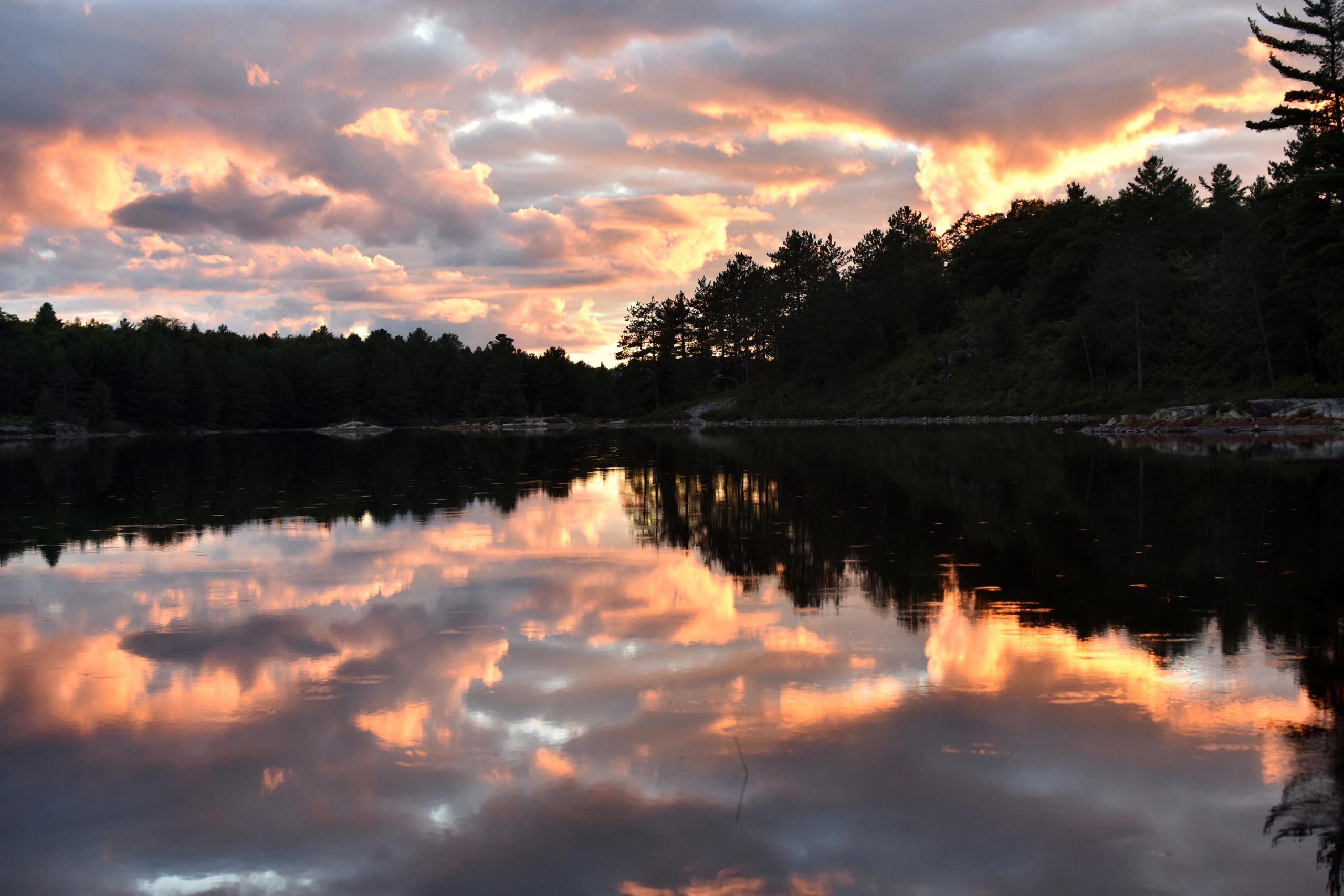
The researchers started looking only at Ontario lakes, but quickly expanded it globally as although there are thousands of lakes in Ontario a lot of the data is not as readily available as it is in other regions of the world.
“The creation of this database is a feat typically only accomplished by very large teams with millions of dollars, not by a single lab with a few small grants, which is why I am especially proud of this research,” says Sharma.
The research is published in Nature’s Scientific Data journal.
Reference: “A database of chlorophyll and water chemistry in freshwater lakes” by Alessandro Filazzola, Octavia Mahdiyan, Arnab Shuvo, Carolyn Ewins, Luke Moslenko, Tanzil Sadid, Kevin Blagrave, Mohammad Arshad Imrit, Derek K. Gray, Roberto Quinlan, Catherine M. O’Reilly and Sapna Sharma, 22 September 2020, Scientific Data.
DOI: 10.1038/s41597-020-00648-2
Never miss a breakthrough: Join the SciTechDaily newsletter.
Follow us on Google and Google News.
1 Comment
How can we access to this Database?