
New research unveils 14 previously unknown marine species, offering fresh insight into life hidden in the ocean’s depths.
Earth’s oceans still hold an immense number of undiscovered organisms, with only a small portion of the estimated two million marine species formally identified and described. One major obstacle is the long delay, sometimes lasting decades, between a species’ initial discovery and its formal publication.
To help bridge this gap, Ocean Species Discoveries was created as a specialized, data-rich platform designed for concise, high-quality descriptions of marine invertebrates.
This innovative publishing model aims to dramatically shorten the time it takes to document new species, an increasingly urgent goal as human activities continue to drive biodiversity loss and push unknown species toward extinction.
The program is managed by the Senckenberg Ocean Species Alliance (SOSA), an initiative of the Senckenberg Research Institute and Natural History Museum Frankfurt. SOSA works to strengthen global cooperation among taxonomists, provide technical and logistical support for species documentation, and streamline the process of scientific publication.
New species emerge from the deep
In its second major release, Ocean Species Discoveries brought together more than 20 scientists who described 14 newly identified marine invertebrate species and two previously unknown genera.
The discoveries included a diverse array of animals such as worms, mollusks, and crustaceans. Their findings were published in the Biodiversity Data Journal, one year after the project’s pilot issue.
“Our shared vision is making taxonomy faster, more efficient, more accessible and more visible,” the team said in their paper.
Technology enabling rapid identification
The newly established Discovery Laboratory at the Senckenberg Research Institute and Natural History Museum Frankfurt proved critical help in describing most of the new species.
The Laboratory offers access to integrative research methods such as light and electron microscopy, confocal imaging, molecular barcoding, and micro-CT scanning, making it easy for researchers to produce the high-quality data necessary for robust species descriptions.
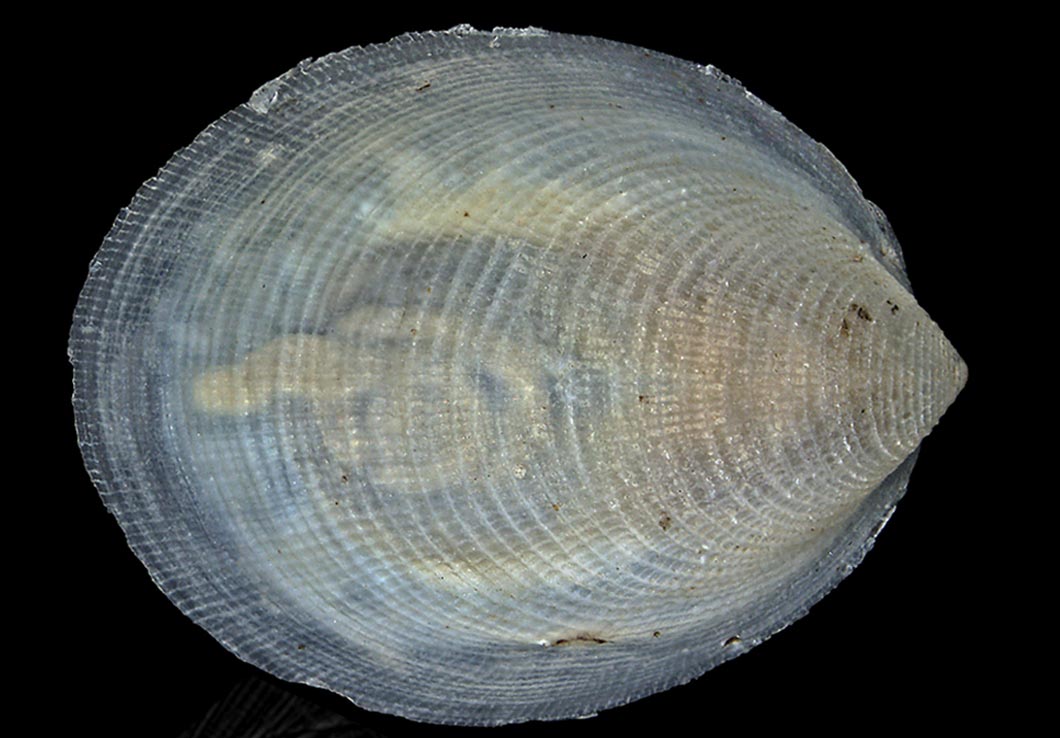
The animals studied in this project come from ocean depths ranging from 1 to over 6,000 meters. The deepest-living animal the researchers explored is Veleropilina gretchenae, a new species of mollusk that was recovered from the Aleutian Trench at a depth of 6,465 meters.
It is one of the first species in the class Monoplacophora to have a high-quality genome published directly from the holotype specimen.
High-resolution insights into deep-sea anatomy
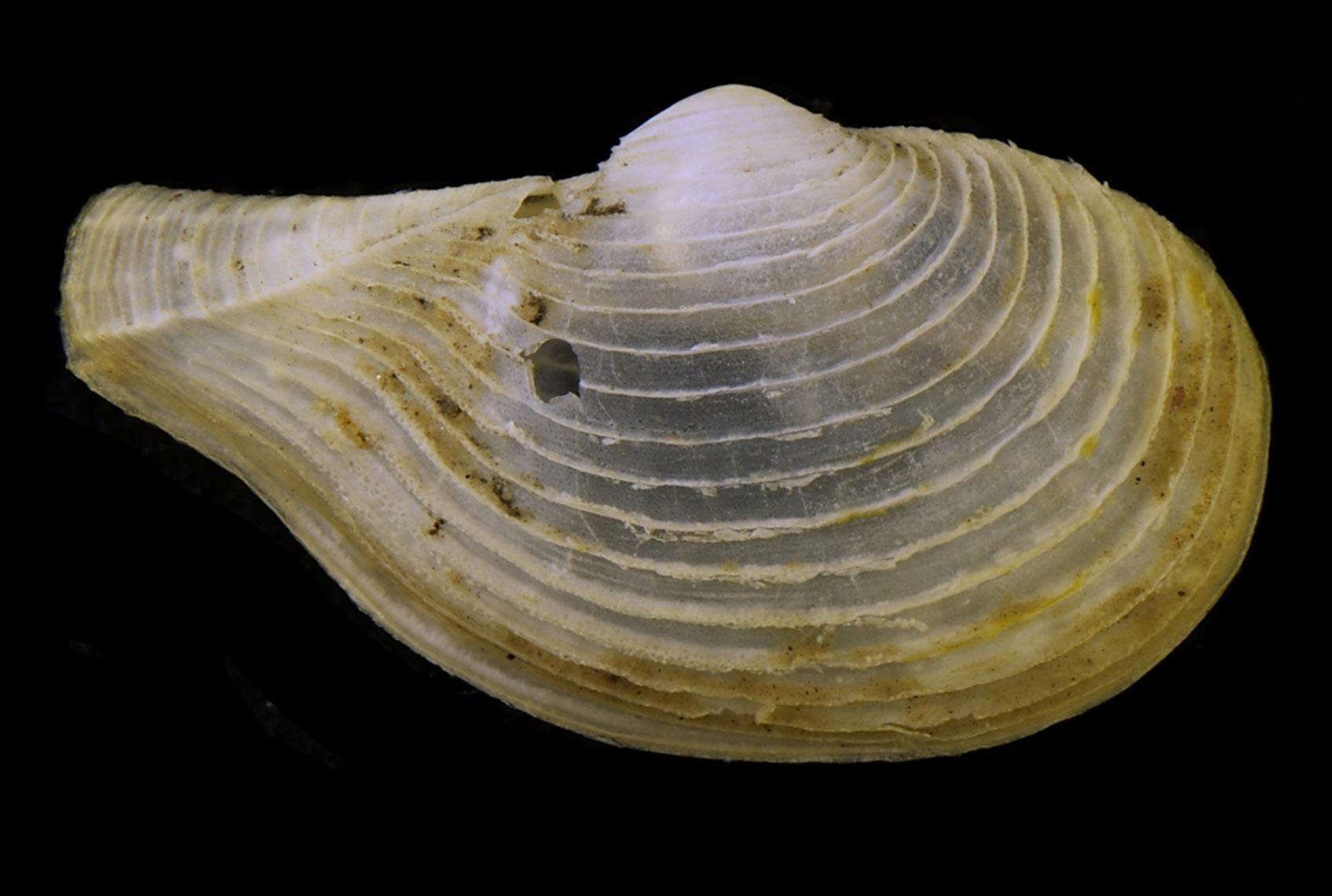
A landmark achievement in this collection is the anatomical description of the carnivorous bivalve Myonera aleutiana, which represents only the second bivalve species documented in detail using solely non-invasive micro-CT scanning.
The process generated over 2,000 tomographic images, providing unprecedented clarity on the bivalve’s internal tissues and soft-body parts. This is the first study to offer detailed anatomy information on any Myonera species.
Its description also marks a new depth record: it was found at depths of 5,170–5,280 meters, about 800 meters deeper than any other documented Myonera individual.
Honoring scientific heritage and discovery
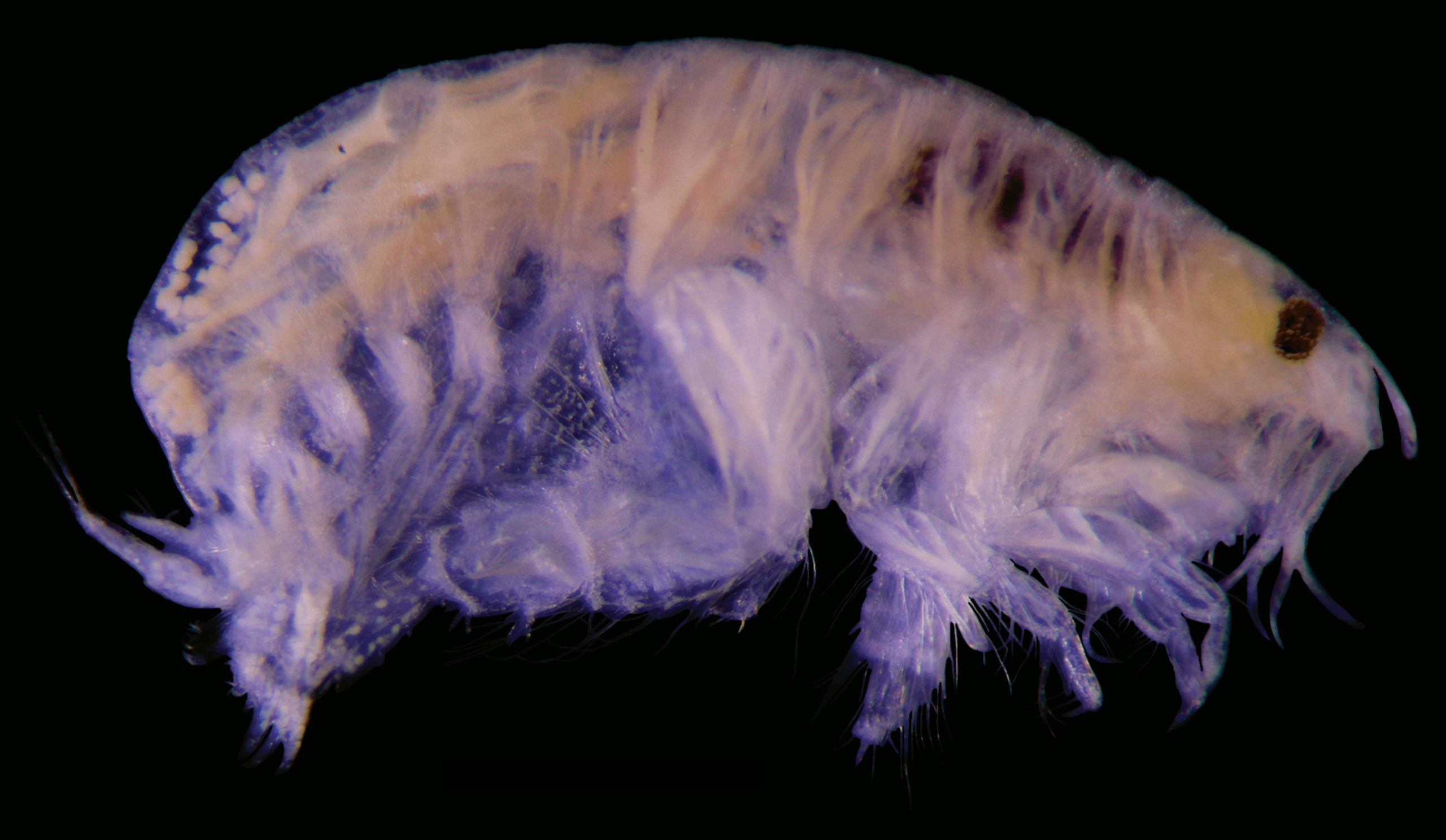
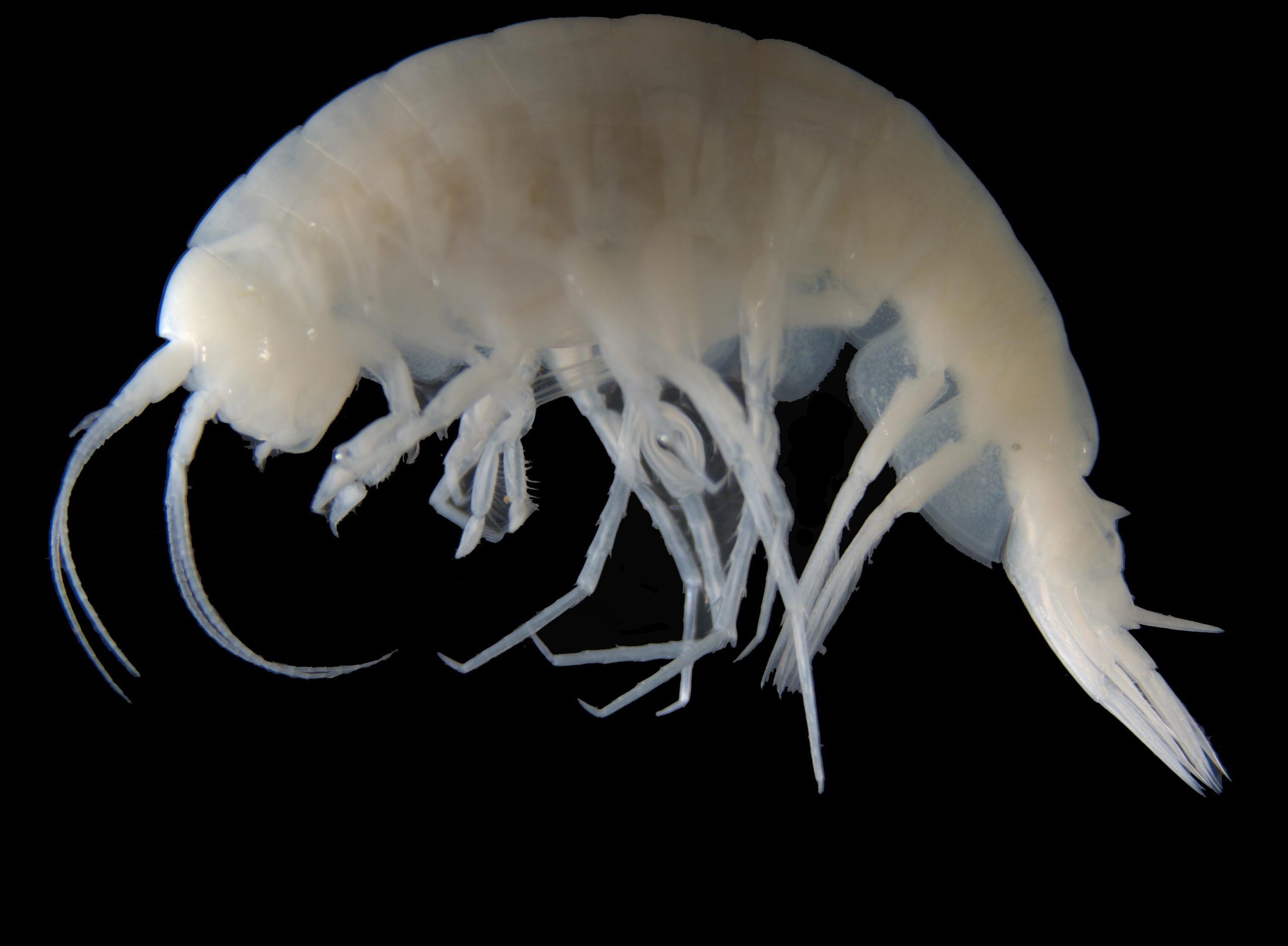
One of the newly described species honors Johanna Rebecca Senckenberg (1716–1743), a naturalist and benefactor who supported science and medicine, which contributed to the formation of the Senckenberg Society for Nature Research. The amphipod Apotectonia senckenbergae was discovered in a mussel bed at the Galápagos Rift hydrothermal vent fields at a depth of 2,602 meters.
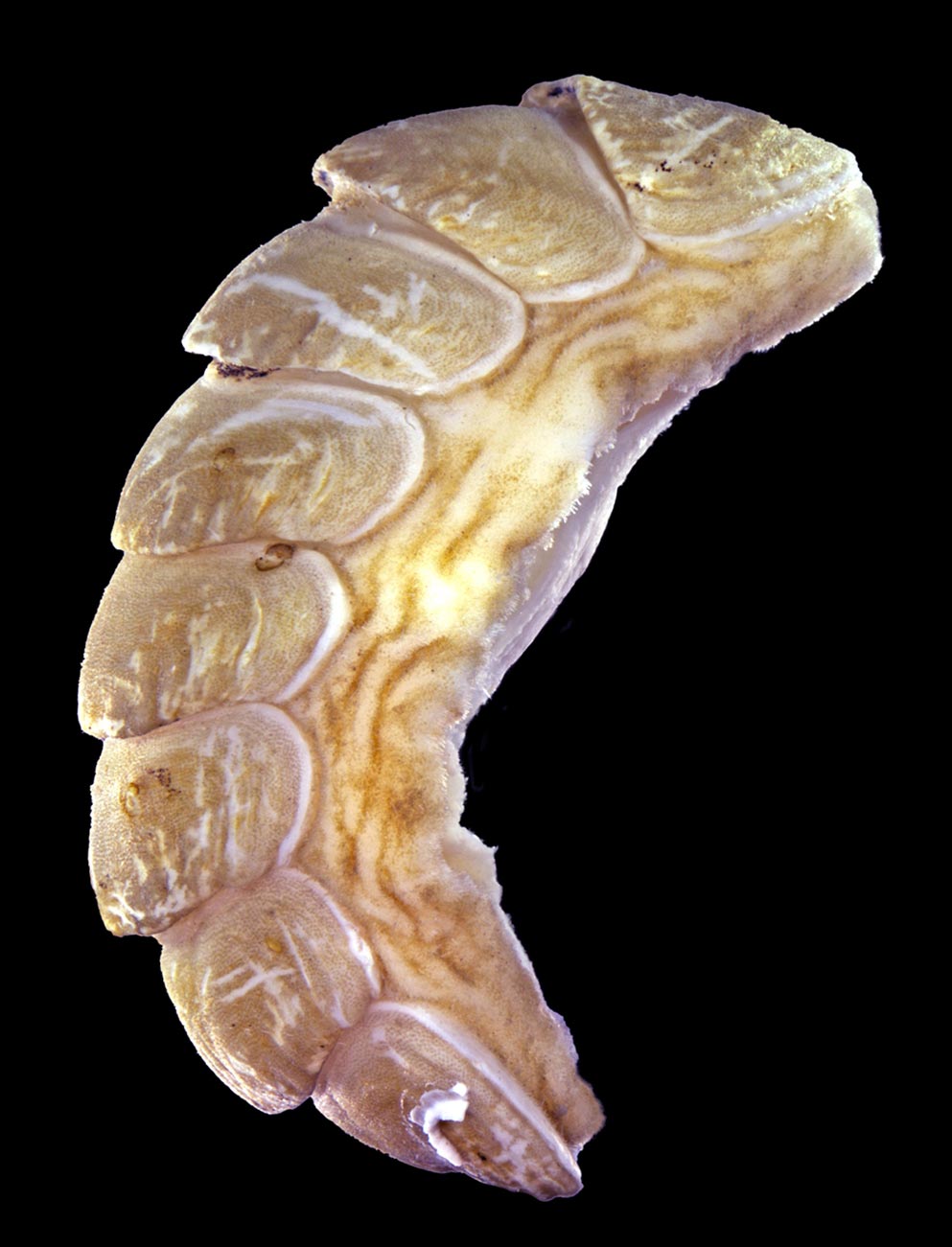
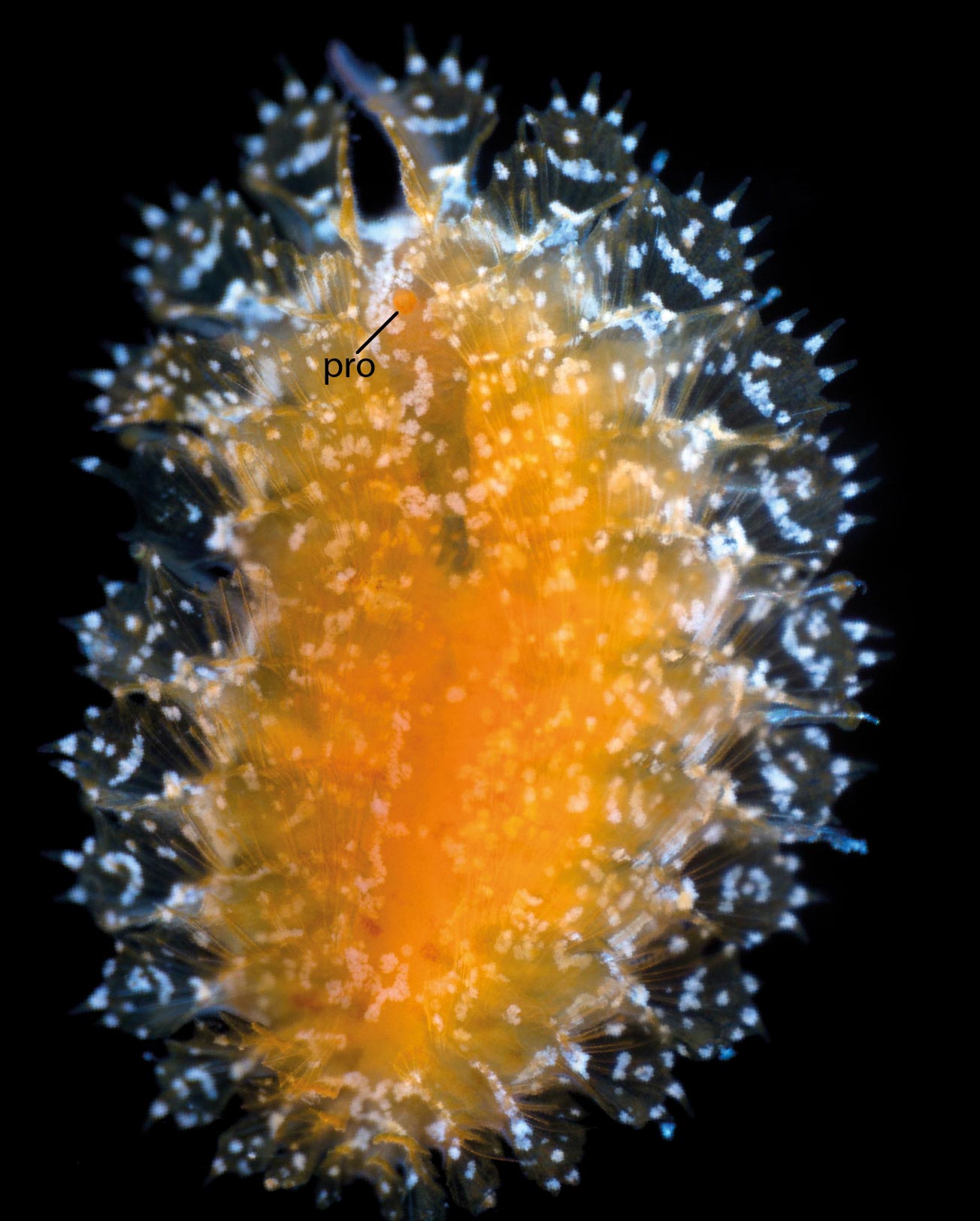
Some of the deep-sea inhabitants have curious appearances: the parasitic isopod Zeaione everta exhibits distinctive protuberances on the female’s back that resemble popped kernels of popcorn. The genus name, which derives from the corn genus Zea, reflects this resemblance. Found in the Australian intertidal zone, this species also represents a new genus.
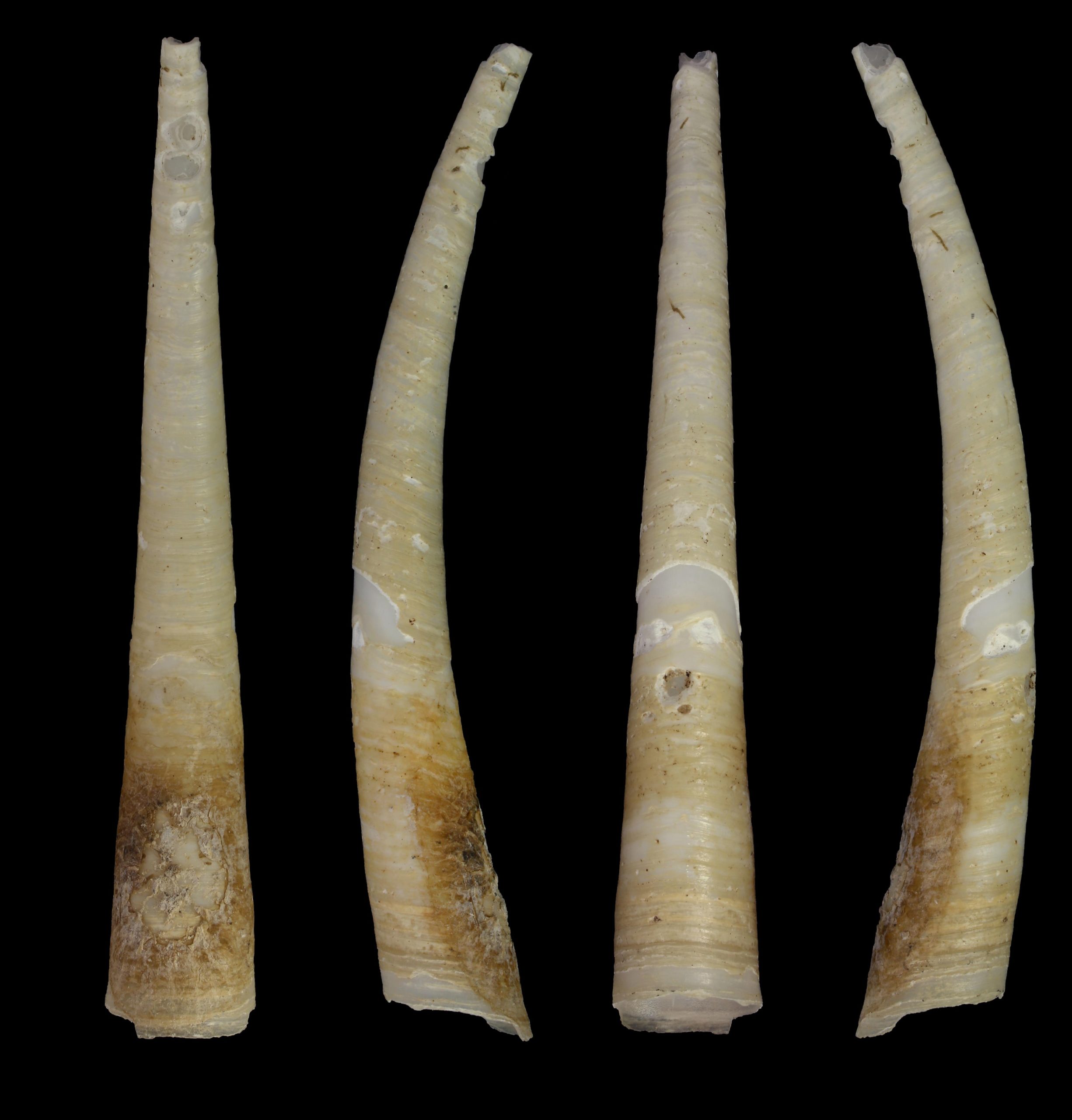
The paper also sheds more light on known deep-sea species such as the tusk shell Laevidentalium wiesei, found at depths of more than 5,000 meters.
The researchers found out it was carrying its own secret hitchhiker, a sea anemone attached to the shell’s anterior (concave) side. This is the first time an interaction of this kind is reported in the genus Laevidentalium.
Reference: “Ocean Species Discoveries 13–27 — Taxonomic contributions to the diversity of Polychaeta, Mollusca and Crustacea” by Senckenberg Ocean Species Alliance (SOSA), Luiz F. Andrade, Christopher Boyko, Angelika Brandt, Barbara Buge, Yasmín Dávila Jiménez, Mats Henseler, Pablo Hernández Alcántara, Piotr Jóźwiak, Henry Knauber, Fabrizio Marcondes Machado, Carlos A. Martínez-Muñoz, Farzaneh Momtazi, Yumi Nakadera, Jian-Wen Qiu, Torben Riehl, Greg Rouse, Julia Sigwart, Boris Sirenko, Jesser Souza-Filho, Jan Steger, Anna Stępień, Ekin Tilic, Bianca Trautwein, Katarzyna Vončina, Jason D. Williams and Junlong Zhang, 15 October 2025, Biodiversity Data Journal.
DOI: 10.3897/BDJ.13.e160349
Funding for R/V SONNE cruise SO293 AleutBio was provided by BMBF grant 03G0293A to Angelika Brandt, chief scientist of the expedition.
Never miss a breakthrough: Join the SciTechDaily newsletter.
Follow us on Google and Google News.