
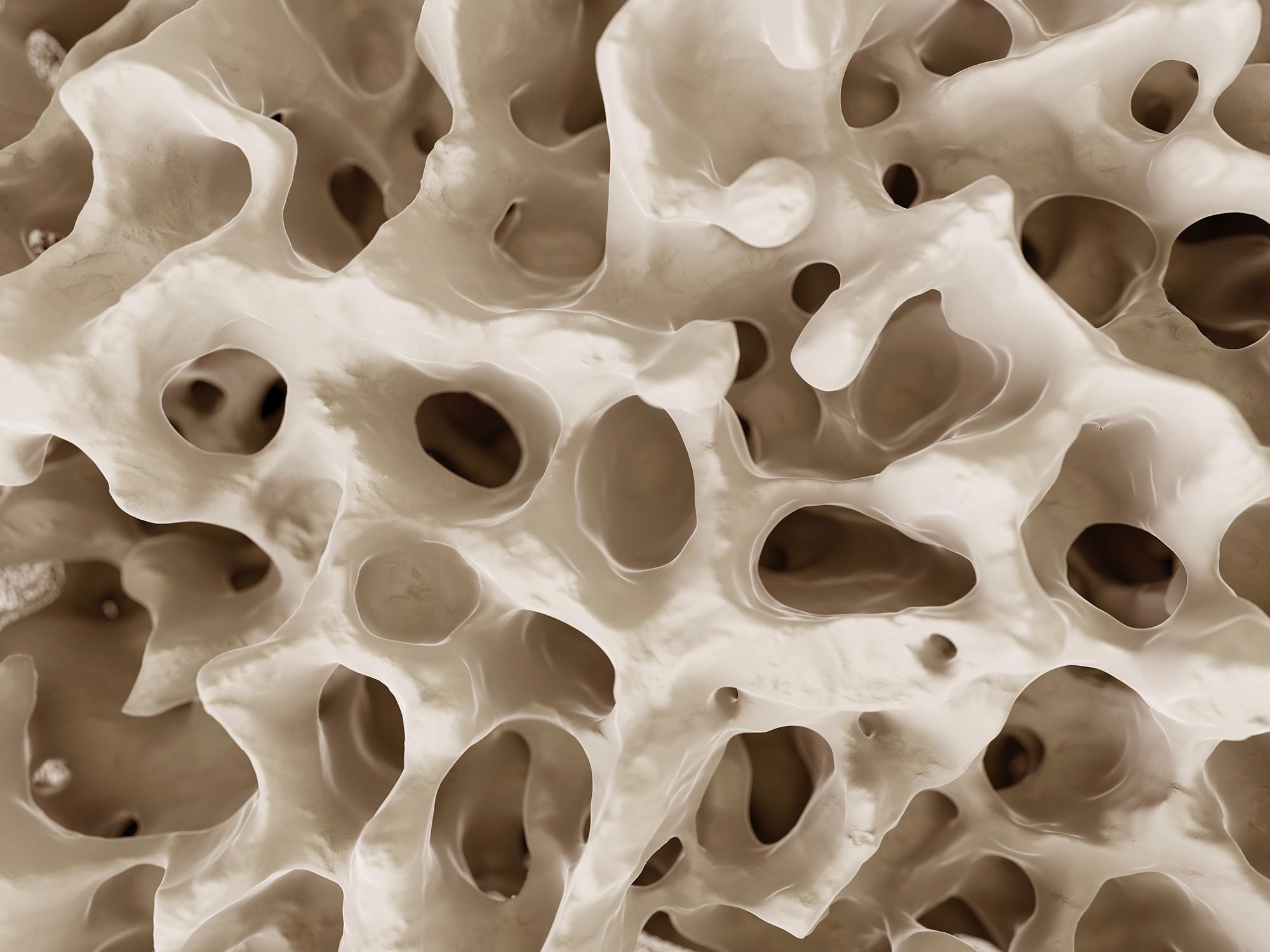
Researchers have identified that the protein CLEC14A disrupts the maturation of bone cells, delaying bone formation.
The absence of this protein in mice leads to quicker cell maturation and increased bone tissue, offering potential treatment pathways for osteoporosis and other bone-related conditions.
Protein Inhibition in Bone Formation
Scientists have discovered a protein that inhibits the activity of bone-forming cells (osteoblasts) by preventing them from maturing during their migration to bone-formation sites, according to new research.
A study published in Communications Biology on October 11, 2024, led by Dr. Amy Naylor and Professor Roy Bicknell, with team member Dr. Georgiana Neag from the University of Birmingham, reveals that the protein CLEC14A, located on the endothelial cells of blood vessels in bone, impedes the function of bone development cells called osteoblasts.
Study Methodology and Findings
During bone development, endothelial cells are responsible for transporting immature osteoblasts to the areas where new bone is needed. However, the presence of the CLEC14A protein on the surface of these endothelial cells prevents osteoblasts from reaching the maturity required to form bone tissue.
In this study, osteoblast cells were taken from transgenic mice that either have been bred to produce CLEC14A or not. The osteoblasts were subsequently used in vitro in an induction solution, and the team found that cells taken from the protein-free mice reached maturation after four (4) days while those in the presence of CLEC14A matured eight (8) days later. Furthermore, the CLEC14A-free samples saw a significant increase in mineralized bone tissue on day 18 of the study.
Implications for Bone Health and Disease Treatment
Dr. Amy Naylor, Associate Professor in the School of Infection, Inflammation and Immunology at the University of Birmingham said:
“In the last decade, a specific type of blood vessel cell was identified within bones. This blood vessel is called ‘type-H’ and is responsible for guiding bone-forming osteoblasts to the places where bone growth is needed. Now we have discovered that a protein called CLEC14A can be found on the surface of type-H blood vessel cells.
“In the experiments we performed, when CLEC14A protein is present the osteoblasts that were sharing a ride on the endothelial cells produce less bone. Conversely, when the protein is removed, they produce more bone.
“This additional understanding of how blood vessel cells control bone-forming osteoblasts under normal, healthy conditions provide an avenue to develop treatments for patients who have insufficient bone formation, for example in patients with fractures that do not heal, osteoporosis or with chronic inflammatory diseases.”
Supporting Bone Health Research and Future Directions
Lucy Donaldson, Director for Research & Health Intelligence at Versus Arthritis:
“We know that poor bone formation is an important driver of bone damage in osteoporosis and autoimmune inflammatory arthritis. This can lead to disability, pain, and fatigue which impacts people’s lives in many ways, including their ability to work, the time they spend with family and friends, and their wellbeing.
We’re proud to have funded Dr. Naylor’s research which has improved our understanding of bone formation and remodelling. We hope these findings will eventually lead to new treatment approaches for people with musculoskeletal conditions.
Whilst these findings are promising, we won’t rest until everyone with arthritis has access to treatments and interventions that let them live the lives they choose.”
Reference: “Type-H endothelial cell protein Clec14a orchestrates osteoblast activity during trabecular bone formation and patterning” by Georgiana Neag, Jonathan Lewis, Jason D. Turner, Julia E. Manning, Isaac Dean, Melissa Finlay, Gowsihan Poologasundarampillai, Jonathan Woods, Muhammad Arham Sahu, Kabir A. Khan, Jenefa Begum, Helen M. McGettrick, Ilaria Bellantuono, Victoria Heath, Simon W. Jones, Christopher D. Buckley, Roy Bicknell and Amy J. Naylor, 11 October 2024, Communications Biology.
DOI: 10.1038/s42003-024-06971-3
Never miss a breakthrough: Join the SciTechDaily newsletter.
Follow us on Google and Google News.
5 Comments
How do we avoid that protein?
I did a search on CLEC14A and theres quite a bit of literature if you want to read with some other interesting attributes to it but I would imagine just eating bones themselves is good. Logically they probably have less of the protein and more of the material conducive to the osteoblasts (I’ve heard of these before in the book the body electric. Its like regeneration I think). Ive cooked pork chops before in the stove extremely well done to where the bones actually become soft and quite tasty. Bones have marrow collagen chondroiton and glucosamine, all that.
I was looking for that missing piece, too. Maybe that is in part 2…
Why not drink bone broth as a way to avoid toxic protein?
There’s only that one specific protein that’s a problem. I don’t know where it comes from, it might not be diet related st all.
Bone broth still contains the same proteins as the meat it came from, and bone broth isn’t meat-free.