
The sharpest dark matter map ever reveals the invisible cosmic scaffolding that built galaxies, stars, and ultimately life itself.
Scientists have produced the most detailed map ever created of dark matter across the Universe, revealing how this unseen substance has shaped the formation of stars, galaxies, and planets.
The work, which includes astronomers from Durham University in the United Kingdom, sheds new light on how dark matter helped gather ordinary matter into massive structures such as the Milky Way and even laid the groundwork for planets like Earth.
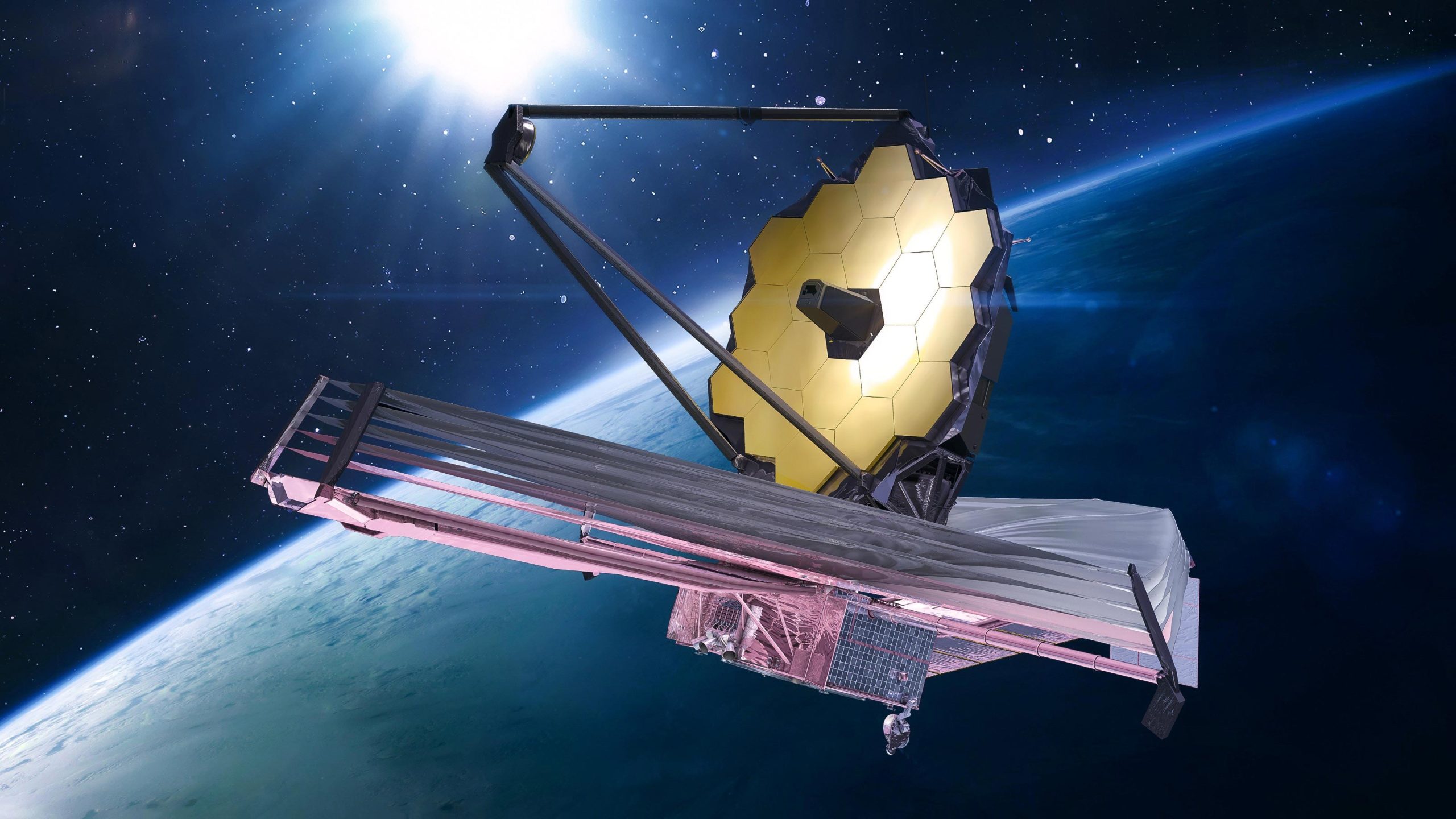
The results are based on new observations from NASA’s James Webb Space Telescope (Webb) and have been published today (January 26) in the journal Nature Astronomy.
The international study was jointly led by Durham University, NASA’s Jet Propulsion Laboratory (JPL), and the École Polytechnique Fédéral de Lausanne (EPFL), Switzerland.
How Dark Matter Shaped the Early Universe
The newly created map supports earlier findings while offering much finer detail about how dark matter interacts with the normal matter that makes up everything we can see and touch.
In the early Universe, both dark matter and normal matter were likely spread thinly across space. Scientists believe dark matter began clumping together first, forming gravitational wells that drew in ordinary matter. These dense regions eventually became the birthplaces of stars and galaxies.
This process helped determine the large-scale arrangement of galaxies seen across the Universe today. By jumpstarting the formation of stars and galaxies earlier than would otherwise have been possible, dark matter also helped create the conditions needed for planets to form. Without this early influence, the elements necessary for life may never have developed within our galaxy.
Research co-lead author Dr. Gavin Leroy, in the Institute for Computational Cosmology, Department of Physics, Durham University, said: “By revealing dark matter with unprecedented precision, our map shows how an invisible component of the Universe has structured visible matter to the point of enabling the emergence of galaxies, stars, and ultimately life itself.
“This map reveals the invisible but essential role of dark matter, the true architect of the Universe, which gradually organises the structures we observe through our telescopes.”
Seeing the Unseen Through Gravity
Dark matter cannot be seen directly because it does not emit, reflect, absorb, or block light. It also passes through ordinary matter without interaction, much like a ghost.
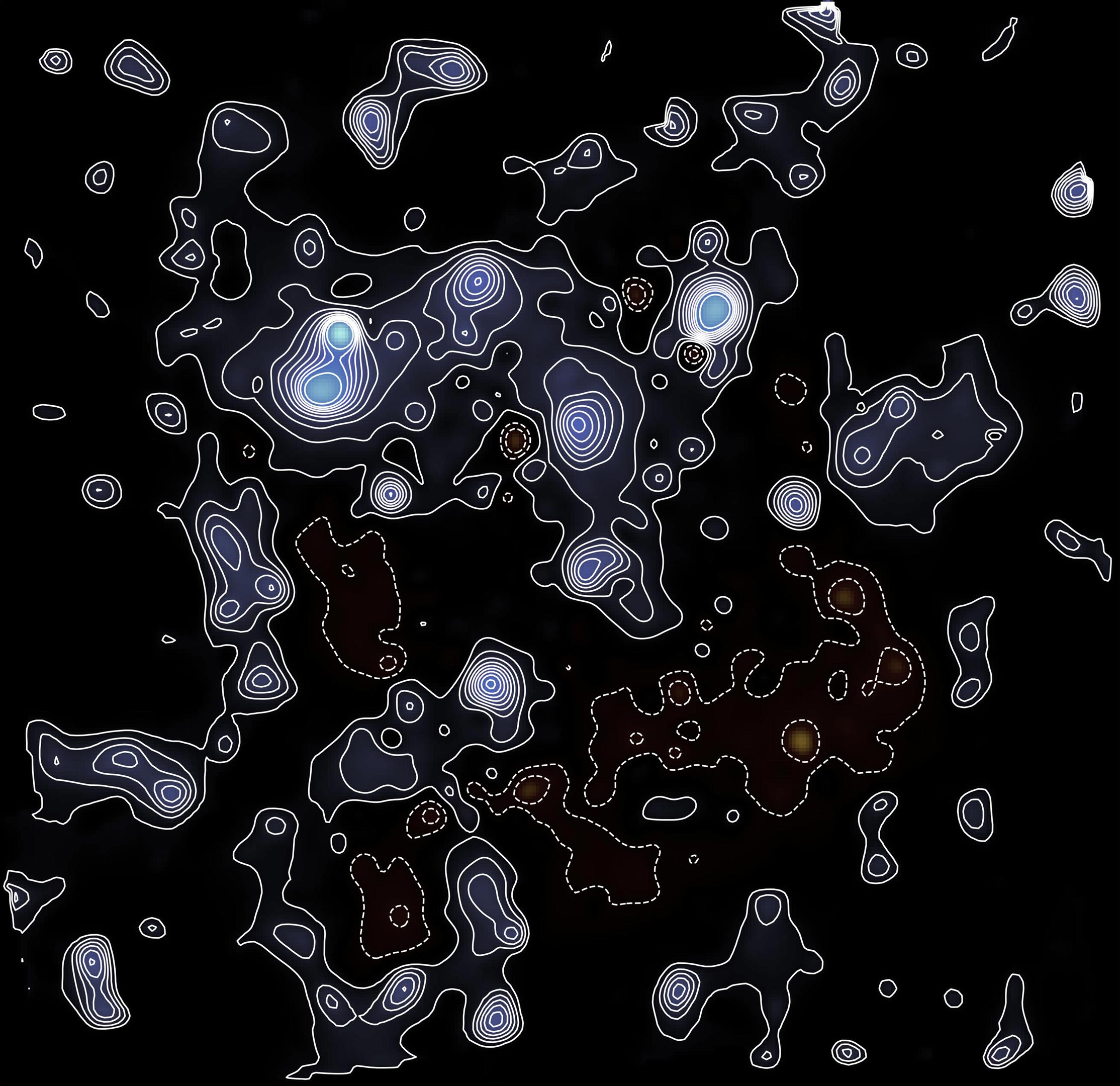
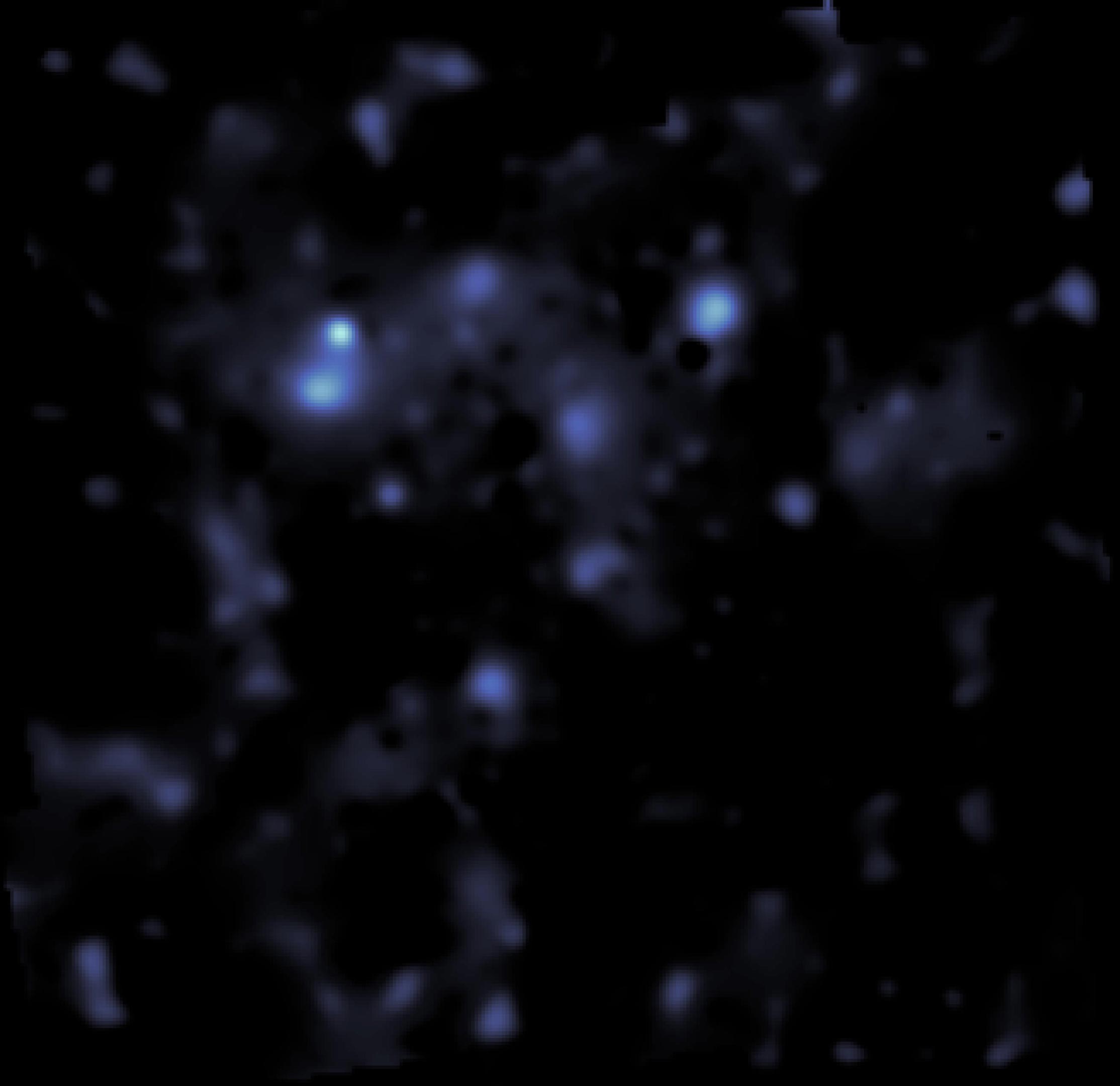
Its presence is revealed instead through gravity. The new map captures this effect with far greater clarity than before. Scientists found that regions rich in dark matter closely match the locations of normal matter, a pattern that cannot be explained by chance.
According to the research team, Webb’s observations confirm that dark matter’s gravity has been steadily pulling ordinary matter toward it throughout cosmic history.
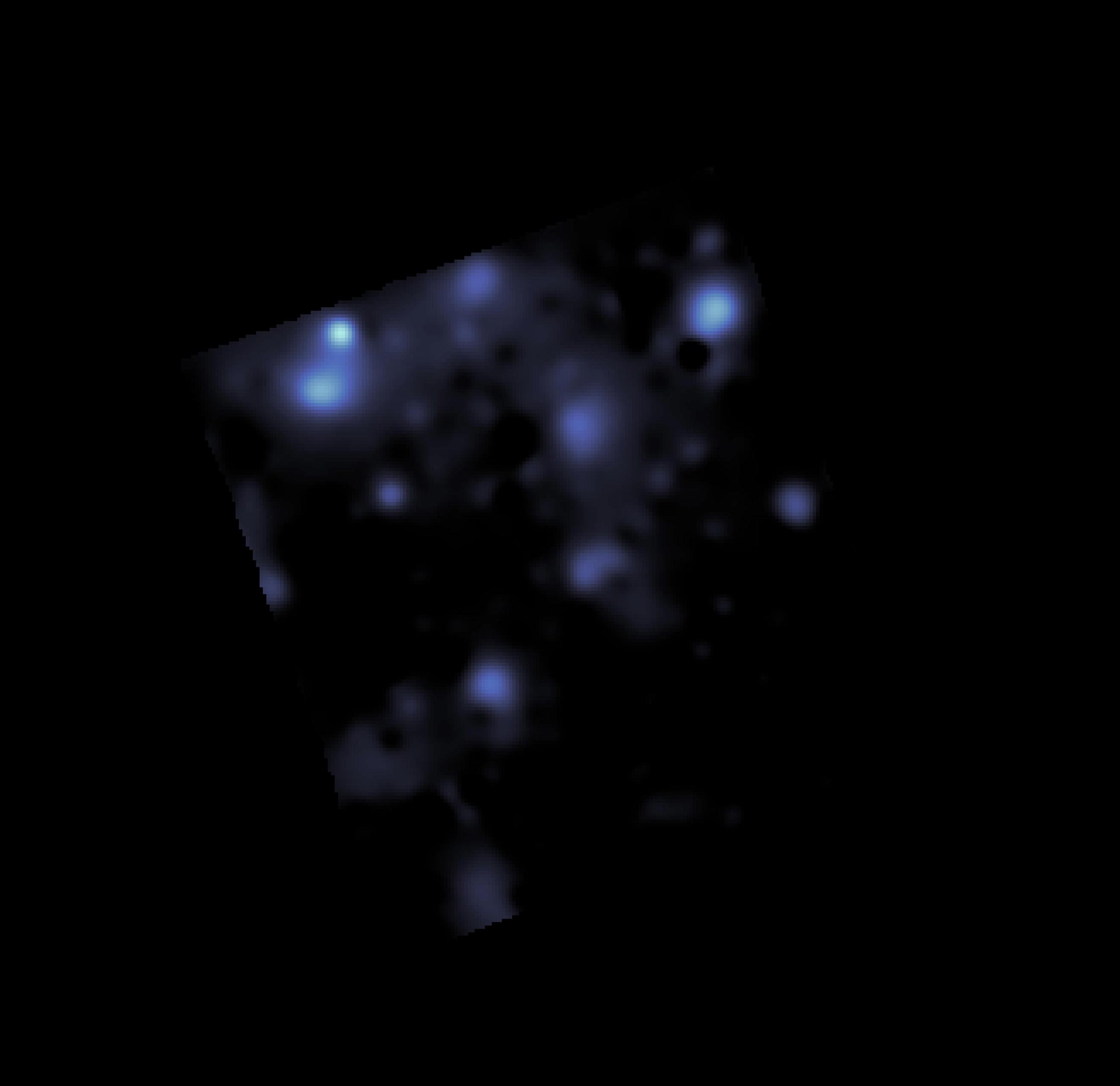
Research co-author Professor Richard Massey, in the Institute for Computational Cosmology, Department of Physics, Durham University, said: “Wherever you find normal matter in the Universe today, you also find dark matter.
“Billions of dark matter particles pass through your body every second. There’s no harm, they don’t notice us and just keep going.
“But the whole swirling cloud of dark matter around the Milky Way has enough gravity to hold our entire galaxy together. Without dark matter, the Milky Way would spin itself apart.”
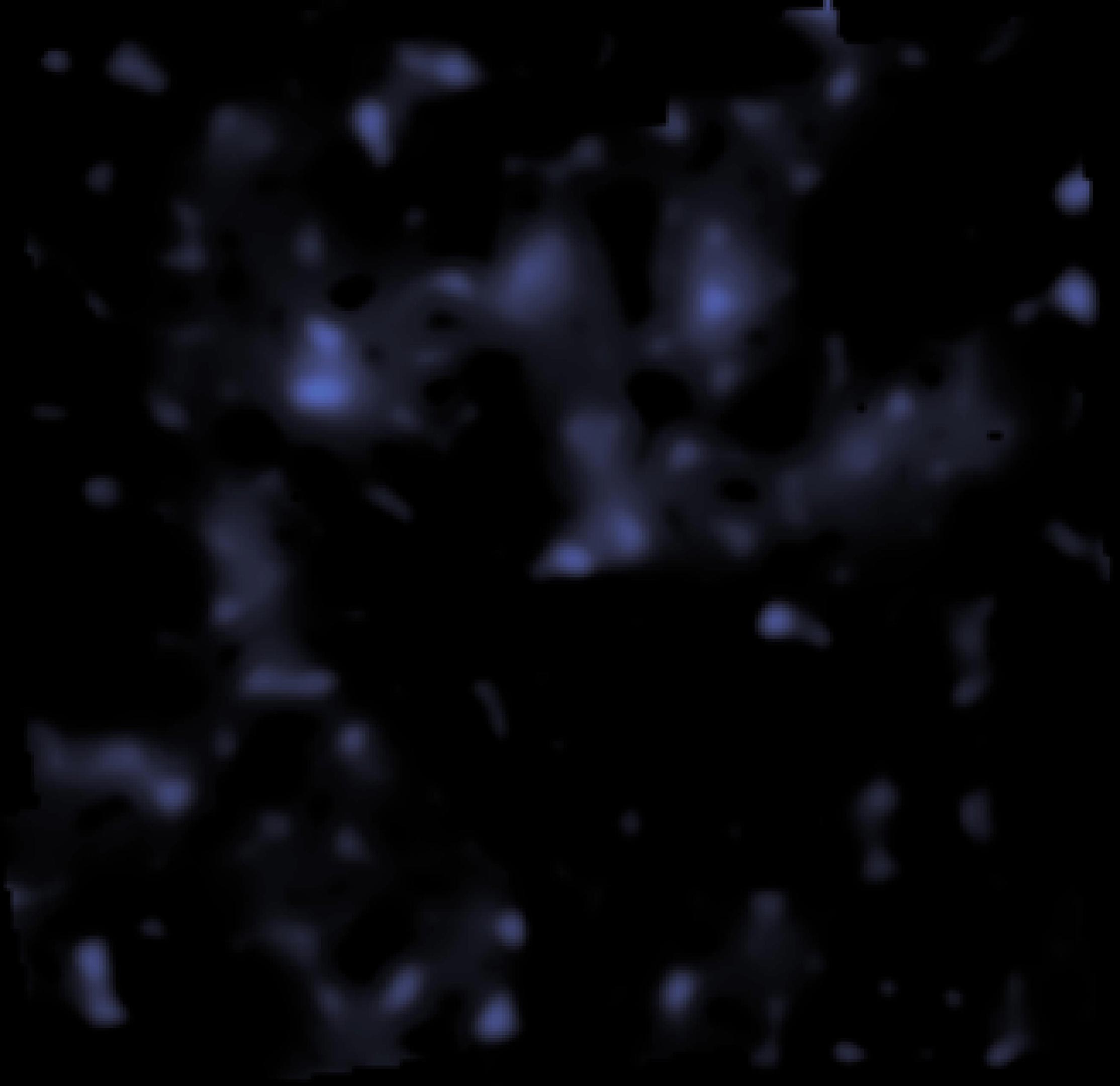
Mapping Dark Matter With Webb’s Precision
The new map covers a patch of sky about 2.5 times the size of the full Moon, located in the constellation Sextans.
Webb observed this region for roughly 255 hours, identifying nearly 800,000 galaxies, many of which had never been seen before. To locate dark matter, the team measured how its mass warps space itself, causing light from distant galaxies to bend as it travels toward Earth, similar to looking through distorted glass.
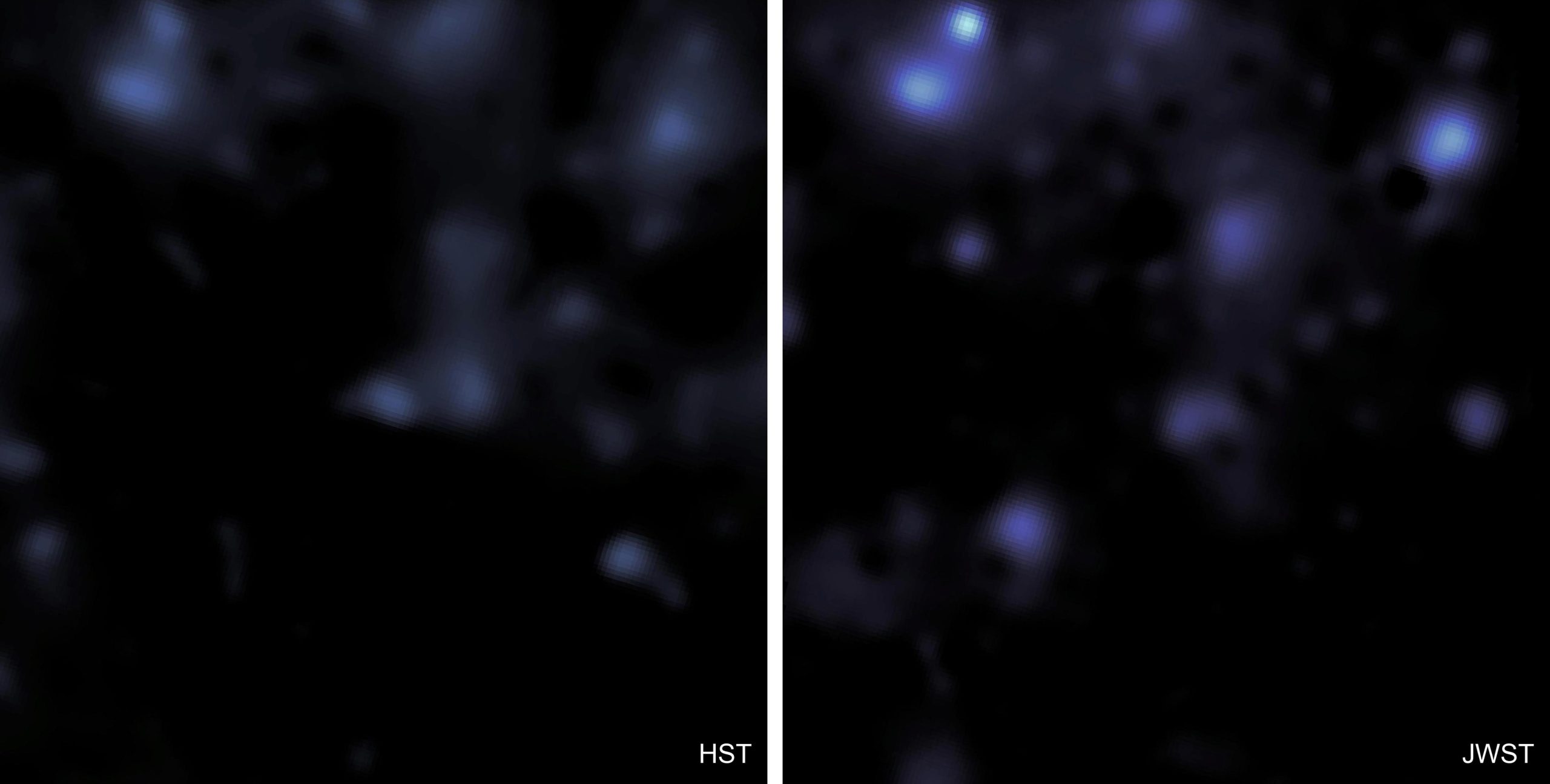
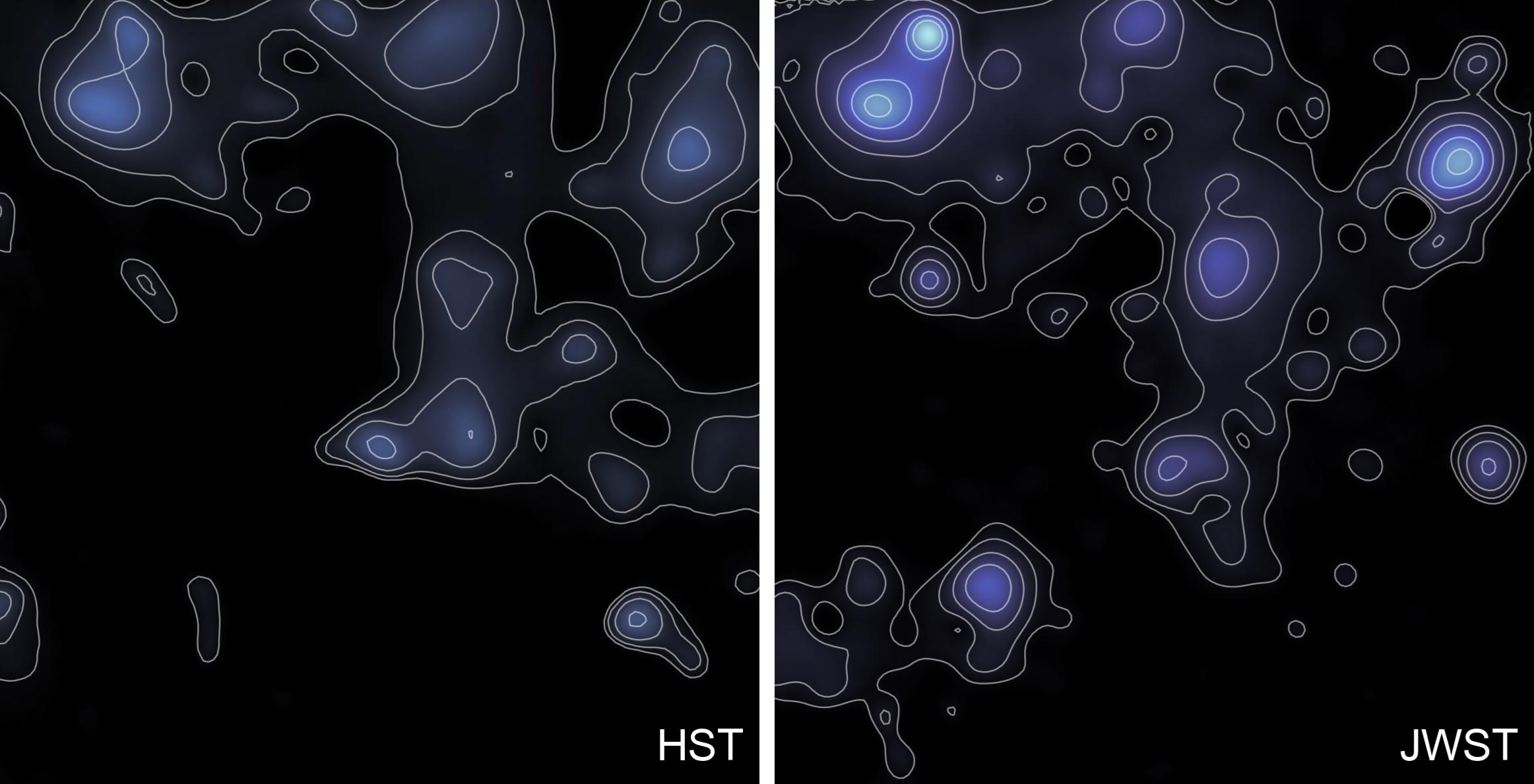
This map includes around ten times more galaxies than previous ground-based surveys of the same area and twice as many as those observed by the Hubble Space Telescope. It reveals previously unknown concentrations of dark matter and shows known regions in much sharper detail.
Research co-lead author Dr. Diana Scognamiglio, of NASA’s Jet Propulsion Laboratory, said: “This is the largest dark matter map we’ve made with Webb, and it’s twice as sharp as any dark matter map made by other observatories.
“Previously, we were looking at a blurry picture of dark matter. Now we’re seeing the invisible scaffolding of the Universe in stunning detail, thanks to Webb’s incredible resolution.”
Instruments and the Road Ahead
To improve distance measurements for many galaxies in the map, the researchers relied on Webb’s Mid-Infrared Instrument (MIRI).
Durham University’s Centre for Extragalactic Astronomy contributed to the development of MIRI, which was designed and managed through launch by JPL. The instrument is especially effective at detecting galaxies hidden behind thick clouds of cosmic dust.
Next, the team plans to expand their work by mapping dark matter across the entire Universe using the European Space Agency’s (ESA) Euclid telescope and NASA’s upcoming Nancy Grace Roman Space Telescope. These missions will help scientists better understand dark matter’s basic properties and how it may have evolved over time.
The region studied in this latest research will serve as a benchmark, providing a reference point for all future dark matter maps and comparisons.
Reference: “An ultra-high-resolution map of (dark) matter” by Diana Scognamiglio, Gavin Leroy, David Harvey, Richard Massey, Jason Rhodes, Hollis B. Akins, Malte Brinch, Edward Berman, Caitlin M. Casey, Nicole E. Drakos, Andreas L. Faisst, Maximilien Franco, Leo W. H. Fung, Ghassem Gozaliasl, Qiuhan He, Hossein Hatamnia, Eric Huff, Natalie B. Hogg, Olivier Ilbert, Jeyhan S. Kartaltepe, Anton M. Koekemoer, Shouwen Jin, Erini Lambrides, Alexie Leauthaud, Zane D. Lentz, Daizhong Liu, Guillaume Mahler, Claudia Maraston, Crystal L. Martin, Jacqueline McCleary, James Nightingale, Bahram Mobasher, Louise Paquereau, Sandrine Pires, Brant E. Robertson, David B. Sanders, Claudia Scarlata, Marko Shuntov, Greta Toni, Maximilian von Wietersheim-Kramsta and John R. Weaver, 26 January 2026, Nature Astronomy.
DOI: 10.1038/s41550-025-02763-9
The latest research was funded by NASA, the RCUK/Science and Technology Facilities Council (STFC), the Swiss State Secretariat for Education, Research and Innovation (SERI), RCUK/STFC Central Laser Facility at the STFC Rutherford Appleton Laboratory, and the Centre National d’Etudes Spatiales.
Never miss a breakthrough: Join the SciTechDaily newsletter.
Follow us on Google and Google News.
1 Comment
Mostly ignored for more than a decade (first, “1Gravity,” demonstration video in 2012) as the lone senior lay American male discoverer of the true radiant pulsing angular lines of attractive force nature of gravity, which is intensified with rotation/spin, what can I say now except that by misinterpreting the true nature of gravity, again, what are the researchers failing to discover in reality? Especially with my most recent low budget video demonstration of invisible lines of gravity force clearly causing two at-rest aluminum disks to ‘start-stop-start-stop’ as only the bar those two freely rotating disks are mounted on is forced to rotate until it’s allowed to stop on its own (https://odysee.com/@charlesgshaver:d/5Gravity:c), it makes me wonder what I could come up with for more proof of the true nature of gravity if I had even a tiny fraction of what it actually cost to build and deploy the JWST to work with?