
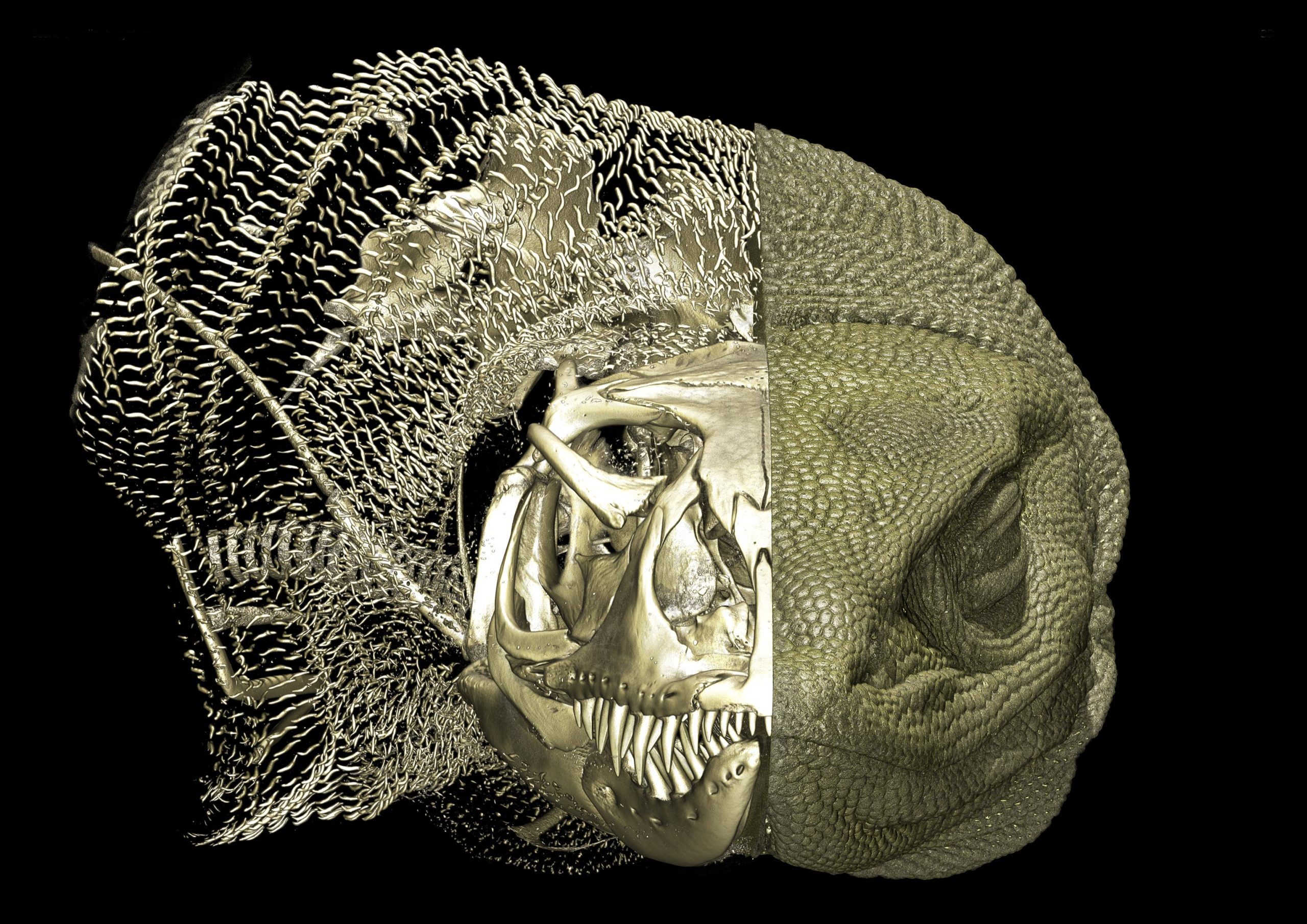
Beneath the scales of Australia’s iconic monitor lizards lies a secret no one expected—bony armor hidden in their skin.
In a sweeping global study, scientists discovered these structures, called osteoderms, in 29 goanna species, dramatically expanding what we thought we knew about reptile evolution. Far from just ancient defense tools, these skin-embedded bones may help regulate temperature, store calcium, and aid survival in harsh environments. Thanks to modern micro-CT scanning and museum collections over a century old, this revelation could reshape our understanding of how lizards adapted—and thrived—for millions of years.
Hidden Armor: Bone Beneath Goanna Scales
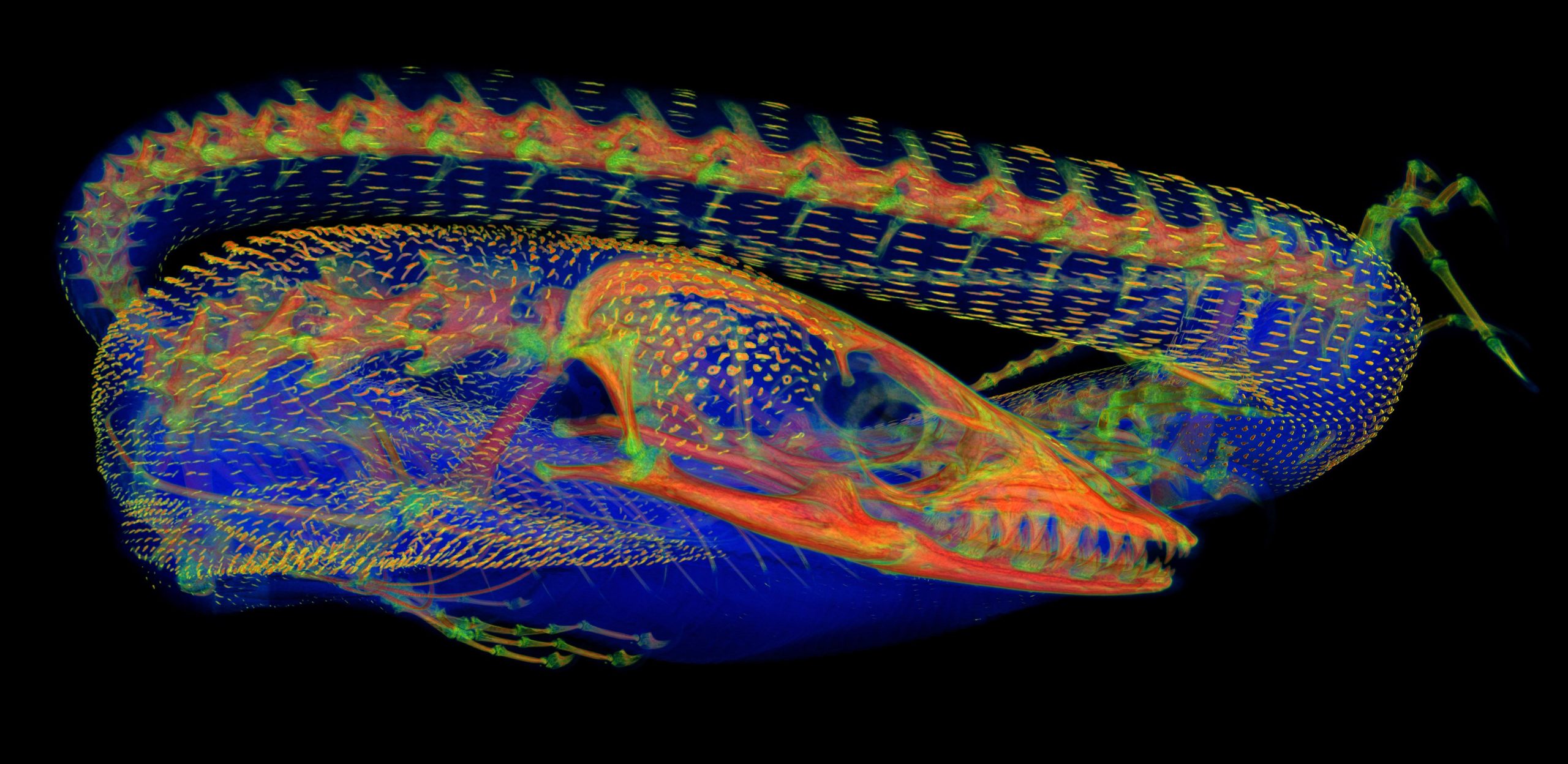
Beneath the scales of Australia’s well-known monitor lizards, often called goannas, scientists have uncovered a surprising feature: a concealed layer of tiny bony structures in the skin known as osteoderms. These long-overlooked formations may offer valuable insights into how these ancient reptiles managed to endure and even thrive in some of the planet’s most extreme environments.
Published on July 21 in the Zoological Journal of the Linnean Society, the research represents the first comprehensive global analysis of osteoderms in both lizards and snakes. The study was carried out by an international team of scientists from Australia, Europe, and the United States. Using advanced micro-CT scanning technology, the researchers examined close to 2,000 reptile specimens from major museum collections, including those housed at Museums Victoria’s Research Institute.
A Massive Increase in Known Osteoderm Cases
“We were astonished to find osteoderms in 29 Australo-Papuan monitor lizard species that had never been documented before,” said Roy Ebel, lead author and researcher at Museums Victoria Research Institute and the Australian National University. “It’s a fivefold increase in known cases among goannas.”
Osteoderms are typically associated with animals like crocodiles, armadillos, and certain dinosaurs such as Stegosaurus. Although commonly believed to serve as armor, their full purpose has remained unclear. Scientists now propose that osteoderms might also help with body temperature regulation, movement, and even calcium storage during reproduction.
The study significantly broadens what is known about these bony structures. Researchers found that osteoderms are present in nearly half of all lizard species globally, marking an 85% rise over previous estimates.
Museum Collections Reveal Hidden Insights
At the heart of this discovery lies the power of museum collections. Scientific institutions like Museums Victoria Research Institute play a critical role in preserving biodiversity through time, enabling researchers to study species long after they were collected.
Many of the specimens used in this study were decades old, and in some cases over 120 years old, but advances in imaging technology enabled scientists to uncover new insights without harming the original material. These collections are not just archives, they’re active tools for scientific discovery.
Evolutionary Clues From Ancient Skin Bones
“What’s so exciting about this finding is that it reshapes what we thought we knew about reptile evolution,” said Dr. Jane Melville, Museums Victoria Research Institute Senior Curator of Terrestrial Vertebrates. “It suggests that these skin bones may have evolved in response to environmental pressures as lizards adapted to Australia’s challenging landscapes.”
Until now, the presence of osteoderms in monitor lizards was considered rare and mostly confined to the famed Komodo dragon. But the discovery of their widespread presence across Australo-Papuan goannas opens up new questions about how these lizards adapted, survived, and diversified across the continent.
Rewriting Reptile Survival Stories
This landmark study not only tells a new chapter in the story of Australia’s goannas, it provides a powerful new dataset for exploring how skin, structure, and survival have intertwined across millions of years of evolution.
Reference: “Dermal armour in lizards: osteoderms more common than presumed” by Roy Ebel, Chris Broeckhoven, Edward L Stanley, Till Ramm and J Scott Keogh, 21 July 2025, Zoological Journal of the Linnean Society.
DOI: 10.1093/zoolinnean/zlaf070
Never miss a breakthrough: Join the SciTechDaily newsletter.
Follow us on Google and Google News.