
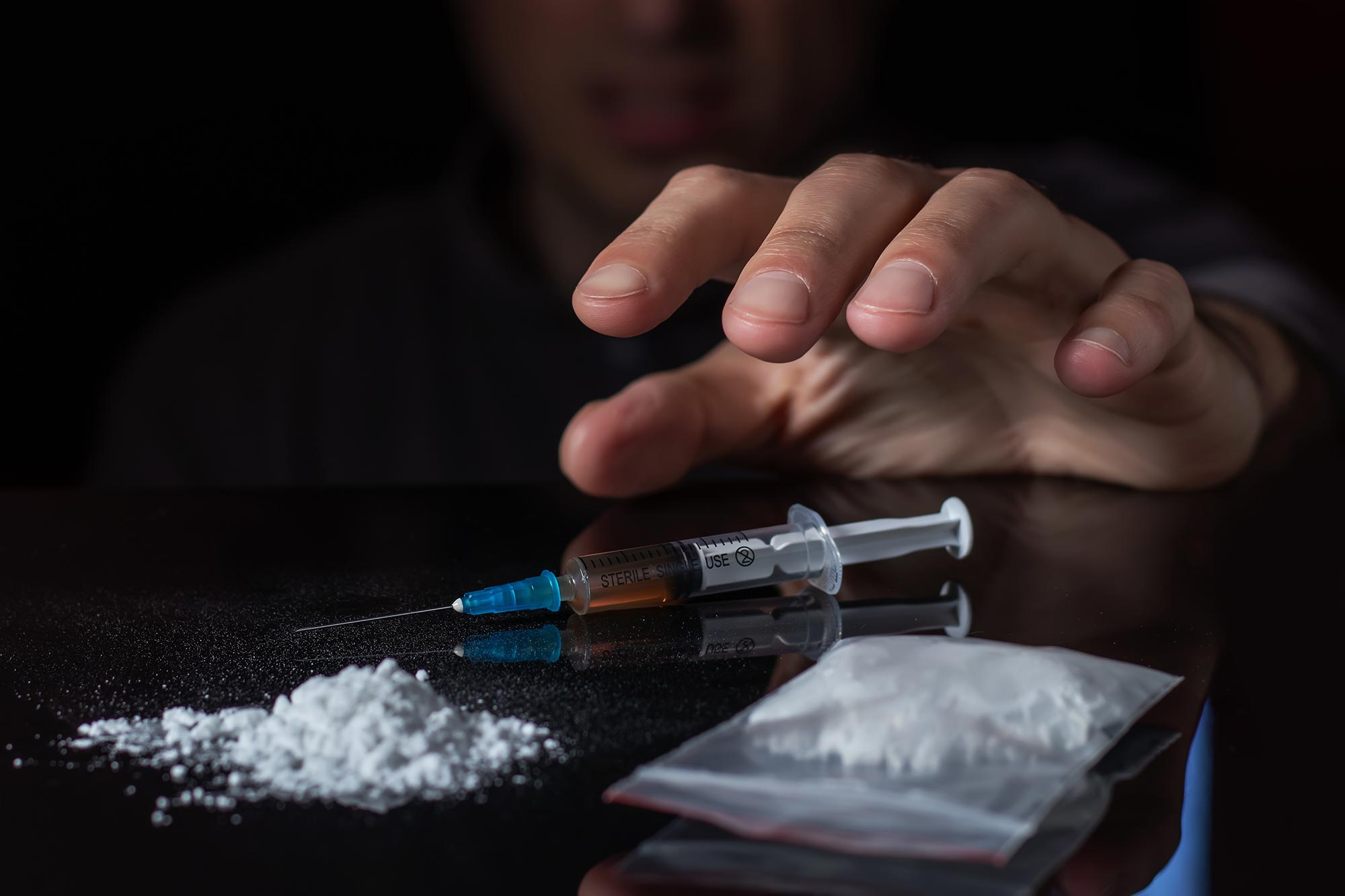
Scientists in South Australia discovered a powerful synthetic opioid—stronger than fentanyl—lurking in street drugs.
Often mixed unknowingly with heroin and cut with xylazine, this super opioid poses a deadly, hidden threat.
Lethal Synthetic Opioid Surfaces in Adelaide
In a first-of-its-kind investigation in South Australia, researchers from the University of South Australia have found traces of the powerful synthetic opioid nitazene in drug-related waste collected from public disposal bins. The samples, which included used syringes, vials, plastic bags, and filters, came from local needle and syringe program sites.
The study was published on August 1 in the journal Drug & Alcohol Review.
Nitazenes Detected in Drug Paraphernalia
Through advanced chemical testing, scientists detected nitazenes in 5% of 300 samples. The substance was most often found in syringes and usually combined with heroin.
Between 2020 and 2024, nitazenes were linked to 32 overdose deaths in Australia. In 84% of those cases, individuals were unaware they had taken a drug containing this synthetic opioid. Nitazenes are increasingly being mixed into illegal drugs like heroin and fentanyl, which greatly increases the risk of overdose and death.
“Nitazenes are among the most potent synthetic opioids in circulation today, some stronger than fentanyl, which is 50 times more potent than heroin,” according to lead researcher UniSA Associate Professor Cobus Gerber.
Potency and Hidden Danger of Nitazenes
“These substances can be lethal in tiny quantities and are often mixed with other drugs, making them incredibly difficult to detect and monitor through traditional means,” he says.
The study also found several types of nitazenes, some of which were combined with xylazine, a veterinary sedative that is not approved for use in humans.
“This is particularly alarming,” says Assoc Prof Gerber, “as xylazine has been linked to severe adverse effects, including necrotic skin lesions, prolonged sedation, and depression.
Xylazine Combination Raises Alarms
“Finding xylazine alongside nitazenes in the same samples is a worrying sign because it mirrors what we are seeing overseas, especially in the United States, where these drug combinations are contributing to a wave of overdose deaths and complex clinical presentations.”
Less than one in five nitazene-related emergency cases in Australia involved people who knowingly took the drug, with most people mistakenly believing they consumed heroin, methamphetamine, or other familiar substances.
“Accidental exposure is a key risk,” says co-author UniSA researcher Dr. Emma Keller.
Accidental Overdoses and Risk of Contamination
“When drugs are contaminated with nitazenes, the margin for error narrows dramatically. Standard doses can become fatal, especially for people who don’t know what their product contains or who don’t carry naloxone, a medication that can rapidly reverse the effects of an opioid overdose.”
The detection of these substances in South Australia comes amid growing calls for expanded drug-checking services, including the use of nitazene-specific drug strips and public health alerts.
Associate Prof Gerber says that chemical testing of used drug paraphernalia is a non-invasive, effective way to identify emerging threats in the drug supply.
Need for Testing, Alerts, and Rapid Response
“This kind of data can trigger rapid alerts to health agencies, treatment services, and peer networks, allowing people who use drugs to make more informed choices.”
Wastewater analysis is also used to detect illicit drugs in the community, but due to the sporadic nature of drug use, other monitoring approaches like chemical testing are necessary.
Drug and Alcohol Services South Australia, which co-authored the study, has shared the findings with community advisory groups, healthcare providers, and the state’s early warning system network.
Reference: “Searching for a Needle in a Haystack: Chemical Analysis Reveals Nitazenes Found in Drug Paraphernalia Residues” by Emma L. Keller, Brock Peake, Bradley S. Simpson, Marie Longo, Stephen Trobbiani, Jason M. White and Cobus Gerber, 31 July 2025, Drug and Alcohol Review.
DOI: 10.1111/dar.70010
Never miss a breakthrough: Join the SciTechDaily newsletter.
Follow us on Google and Google News.
5 Comments
The question that doesn’t seem to be getting asked is “Why do people engage in such risky behavior?”
Might it be that they are dealing with the same issues of depression or ennui that contribute to wilful suicide? If so, what is it about modern society that so many people play the equivalent of ‘Russian Roulette?
Recently, Fentanyl ‘accidental’ overdoses have been estimated to be running as high as 100,000 per year. Yet, there seems to be little societal concern, despite that being approximately 4X the firearm suicides in the USA, which gets a lot of attention. Might these ‘accidental’ overdoses be suicides without a note?
Great
your comment shows your ignorance to the actual problem of using and abusing of all drugs.
“Why do people engage in such risky behavior?”
This is the number 1 question for over the last 50yrs we have asked in mental health care.
“…, as xylazine has been linked to severe adverse effects, including necrotic skin lesions, prolonged sedation, and DEPRESSION.”
Which came first? The chicken or the egg?
And 380,000 die from nicotine in the U.S. 180,000 from alcohol. Other drugs are a pittance in comparison.