
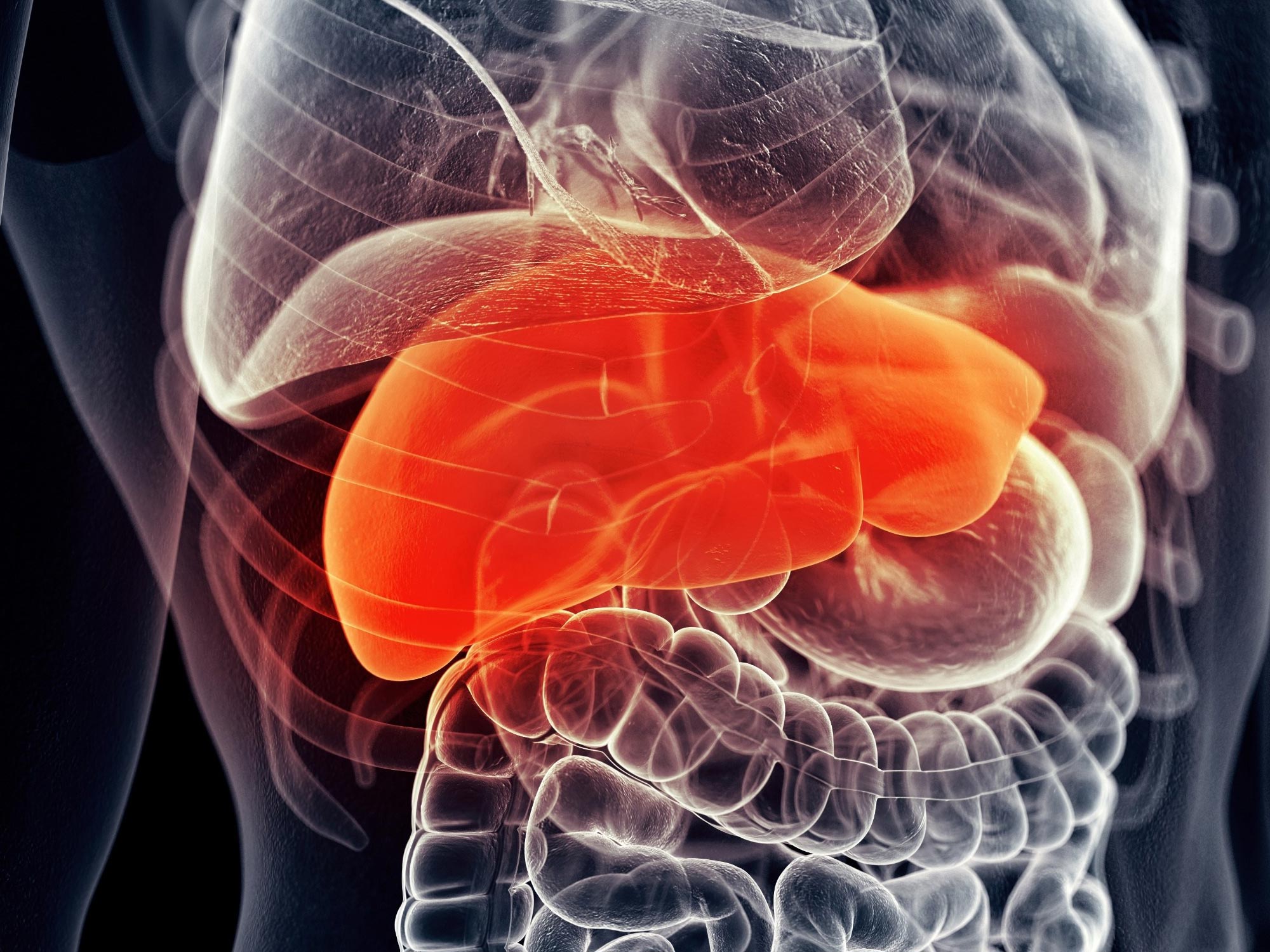
A new study explains how consuming dietary fiber can prevent, and even reverse, liver disease caused by dietary fructose.
Researchers at UC Irvine have discovered that increasing dietary fiber can alter gut bacteria in ways that protect the liver from sugar-related damage and disease.
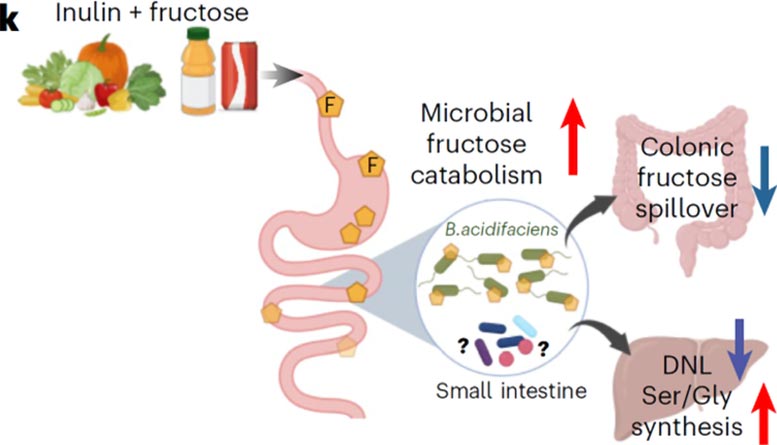
“We found that consuming a type of dietary fiber called inulin, abundant in vegetables, changes the bacteria in the gut to promote the consumption of harmful dietary fructose,” says Cholsoon Jang, PhD, an assistant professor biological chemistry who leads the Nutrient Metabolism & Disease Lab in the School of Medicine. “This leads to less fructose spillover to the liver, preventing fructose-induced fatty liver disease and insulin resistance. Inulin also helps the liver make more of its antioxidant to prevent inflammation.”
The findings were recently published in the journal Nature Metabolism.

Inulin’s role in reshaping gut bacteria
Understanding how inulin, a widely available dietary fiber, reshapes gut bacteria to improve metabolic function offers new strategies for protecting against insulin resistance and liver damage.
“We focused on these diseases in non-obese individuals, which are particularly difficult to detect because their body weight appears normal,” said Jang. “Our study offers mechanistic insight into how fiber protects the body from the harmful effects of fructose.”
The results point to opportunities for preventive medicine that uses dietary choices to strengthen gut health. Looking ahead, the team plans to investigate how other common dietary fibers influence diseases linked to fructose, including obesity, diabetes, fatty liver disease, and cancer.
Personalized strategies for gut health
“By identifying specific gut bacteria and metabolic pathways involved, our findings can guide personalized nutrition strategies,” says Jang. “For example, by checking how well someone’s gut bacteria clears fructose before the body absorbs it, we can choose the right prebiotic or probiotic supplement for that person to improve results and reduce side effects.”
Reference: “Dietary fibre-adapted gut microbiome clears dietary fructose and reverses hepatic steatosis” by Sunhee Jung, Hosung Bae, Won-Suk Song, Yujin Chun, Johnny Le, Yasmine Alam, Amandine Verlande, Sung Kook Chun, Joohwan Kim, Miranda E. Kelly, Miranda L. Lopez, Sang Hee Park, Daniel Onofre, Jongwon Baek, Ki-Hong Jang, Varvara I. Rubtsova, Alexis Anica, Selma Masri, Gina Lee and Cholsoon Jang, 15 September 2025, Nature Metabolism.
DOI: 10.1038/s42255-025-01356-0
This work was supported in part through grant funding from the National Institutes of Health.
Never miss a breakthrough: Join the SciTechDaily newsletter.
Follow us on Google and Google News.
1 Comment
“Cosmo-Aroma Yoga” from Dwan to Dusk.(copy)