

New Brain Discovery Could Help Fight Obesity More Precisely
Obesity continues to impact millions of people around the world. While new weight-loss medications have shown great promise, not everyone responds to them, and some experience unwanted side effects. Now, scientists at the Max Planck Institute for Metabolism Research have made an exciting breakthrough. They’ve identified a tiny group of nerve cells in the brain that plays a major role in controlling appetite and weight. This could open the door to more targeted and effective treatments for obesity.
- Researchers found a small, specialized group of nerve cells in the hypothalamus that influence hunger and weight gain.
- These cells respond to leptin, a natural hormone that helps suppress appetite.
- The discovery could lead to new therapies that are more precise and have fewer side effects than current medications.
Discovery of Obesity-Linked Brain Cells
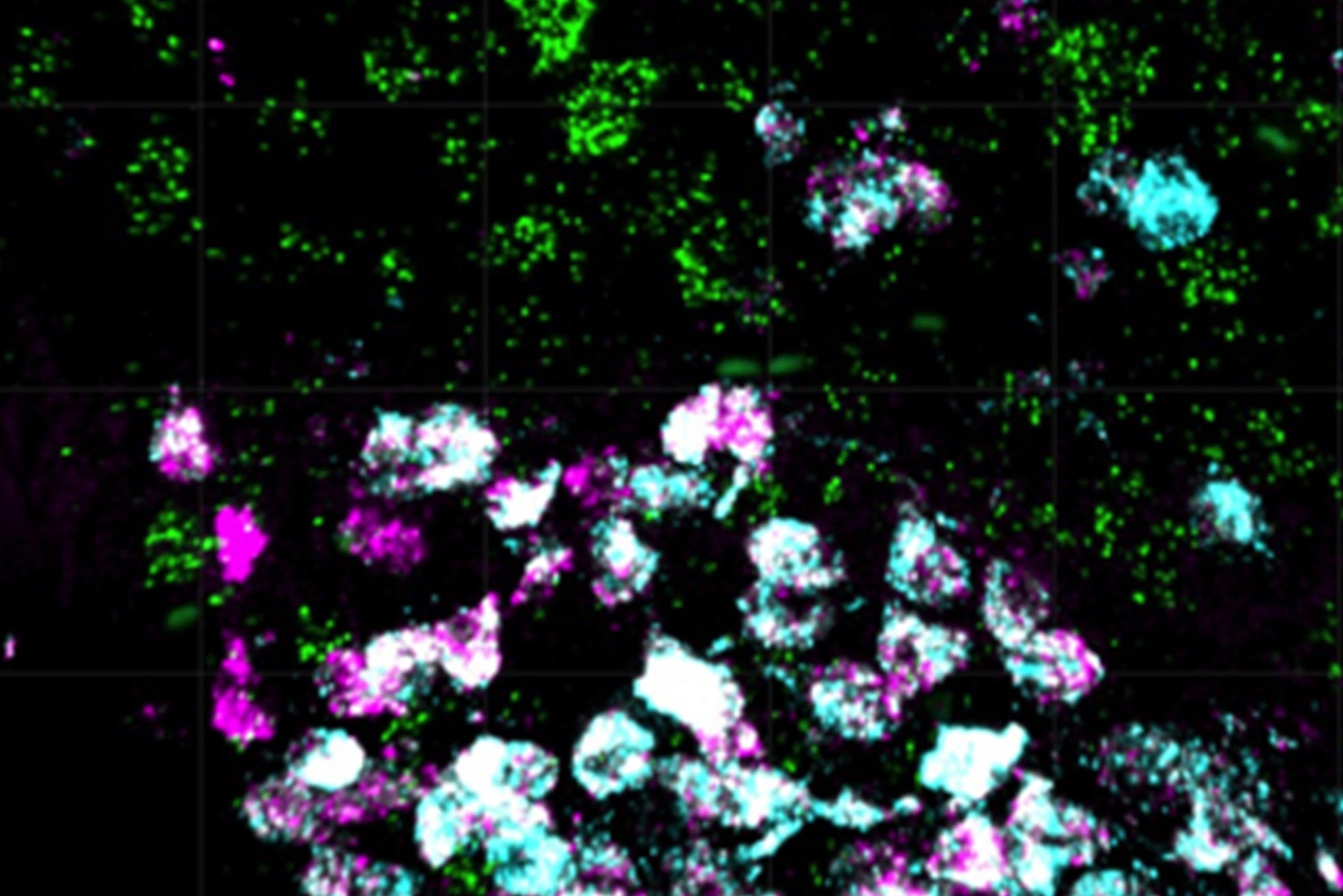
In a fascinating new study, researchers have identified a small group of nerve cells in the brains of mice that can trigger increased eating and lead to obesity. These nerve cells, known as PNOC/NPY neurons, are also found in the human brain. Using cutting-edge genetic and molecular tools, scientists were able to study these neurons at the single-cell level and sort them into distinct groups. Among them, just one specific cluster appears to be responsible for the overeating behavior.
Leptin Receptor Removal Triggers Weight Gain
The discovery became even more intriguing when researchers explored how these cells interact with leptin, a hormone made by body fat that helps suppress appetite. They found that about 10% of the PNOC neurons have receptors for leptin. When these receptors were removed in mice, the animals ate significantly more and gained weight.
“It was surprising that such a small group of nerve cells specifically leads to obesity,” explains Marie Holm Solheim, first author of the study.
Targeting Neurons for Obesity Treatment
The researchers plan to continue studying these nerve cells to identify additional specific targets for potential drugs and to make them amenable to pharmacological intervention.
“We hope that drugs that act on this specialized group of nerve cells will offer promising alternative therapies.”
Jens Brüning, Director at Max Planck Institute for Metabolism Research
Hope for Future Obesity Therapies
“We hope that drugs that act on this specialized group of nerve cells will offer promising alternative therapies,” says Jens Brüning, head of the study. “However, there is still a long way to go before these can be used.”
Reference: “Hypothalamic PNOC/NPY neurons constitute mediators of leptin-controlled energy homeostasis” by Marie H. Solheim, Sima Stroganov, Weiyi Chen, P. Sicilia Subagia, Corinna A. Bauder, Daria Wnuk-Lipinski, Almudena Del Río-Martín, Tamara Sotelo-Hitschfeld, Cait A. Beddows, Paul Klemm, Garron T. Dodd, Sofia Lundh, Anna Secher, F. Thomas Wunderlich, Lukas Steuernagel and Jens C. Brüning, 23 April 2025, Cell.
DOI: 10.1016/j.cell.2025.04.001
Never miss a breakthrough: Join the SciTechDaily newsletter.
Follow us on Google and Google News.