
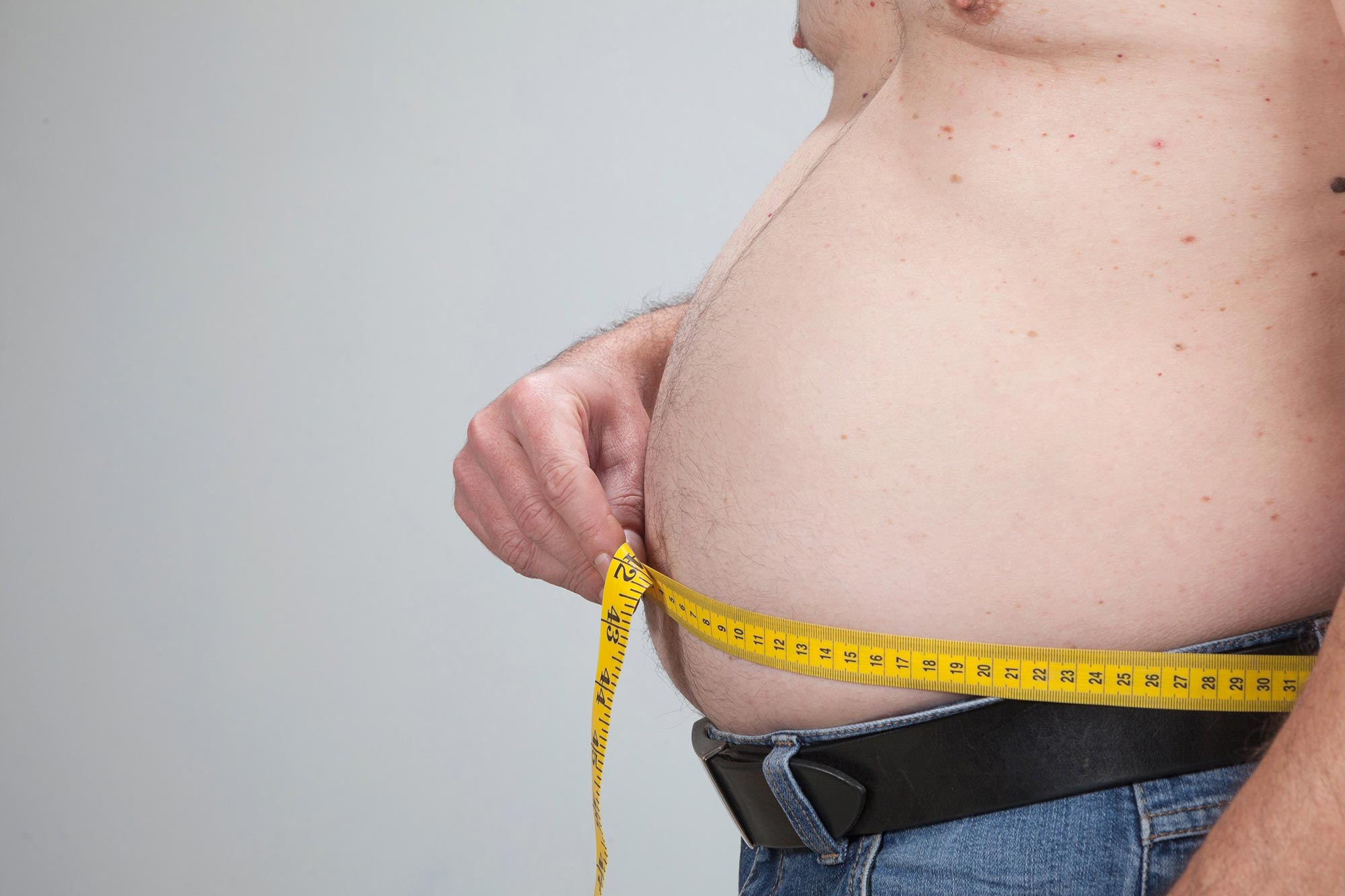
OHSU researchers build on studies with healthy-weight participants; organized study that included different body sizes.
Weight impacts the timing and manner in which bodies expend energy, according to recent findings.
Research from Oregon Health & Science University, published in the journal Obesity, reveals that individuals with a healthy weight tend to burn more energy during daytime hours, aligning with periods of activity and eating for most people. Conversely, individuals with obesity show higher energy expenditure during nighttime, when most people sleep.
The study also found that during the day, those with obesity have higher levels of the hormone insulin — a sign that the body is working harder to use glucose, an energy-packed sugar.
“It was surprising to learn how dramatically the timing of when our bodies burn energy differed in those with obesity,” said the study’s first author, Andrew McHill, Ph.D., an assistant professor in the OHSU School of Nursing and the Oregon Institute of Occupational Health Sciences at OHSU. “However, we’re not sure why. Burning less energy during the day could contribute to being obese, or it could be the result of obesity.”
The Impact of Circadian Rhythms on Health
Obesity is defined as having a Body Mass Index, or BMI, of 30 or more. Being overweight or obese increases the risk for health conditions such as high blood pressure and Type 2 diabetes.
Schedules and when people sleep, eat and exercise can also affect health, by either complementing or going against the body’s natural, daily rhythms. Every 24 hours, people experience numerous changes that are triggered by the human body’s internal clock. These changes normally occur at certain times of the day in order to best serve the body’s needs at any given hour.
McHill and the study’s senior author, Steven A. Shea, Ph.D., director of the Oregon Institute of Occupational Health Sciences at OHSU, focus their research on how circadian rhythms and sleep impact the human body. McHill leads the OHSU Sleep, Chronobiology, and Health Laboratory.
While previous research has suggested circadian rhythm misalignment affects energy metabolism and glucose regulation, those studies have largely involved participants who have a healthy weight. To explore this further, McHill, Shea, and colleagues organized a study that included people of different body sizes.
In-depth Study on Circadian Rhythms and Body Size
A total of 30 people volunteered to participate in the study, which involved participants staying at a specially designed circadian research lab for six days. The study followed a rigorous circadian research protocol involving a schedule designed to have participants be awake and sleep at different times throughout each day.
After each period of sleep, volunteers were awakened to eat and participate in a variety of tests for the remaining time of each day. One test had participants exercise while wearing a mask that was connected to a machine called an indirect calorimeter, which measures exhaled carbon dioxide and helps estimate energy usage. Blood samples were also collected to measure glucose levels in response to an identical meal provided during each day.
Next, the research team plans to explore eating habits and hunger in people who are obese, as well as those who have a healthy weight. That new study will also follow up on a 2013 study, led by Shea, that found circadian clocks naturally increase food cravings at night.
Reference: “Obesity alters the circadian profiles of energy metabolism and glucose regulation in humans” by Andrew W. McHill, Saurabh S. Thosar, Nicole P. Bowles, Matthew P. Butler, Omar Ordaz-Johnson, Jonathan S. Emens, Jonathan Q. Purnell, Melanie Gillingham and Steven A. Shea, 15 November 2023, Obesity.
DOI: 10.1002/oby.23940
This research was supported by National Institutes of Health (grants HL125893, HL156948, HL146992, HL155681, HL131308, HL163232, TR002370, HL151745, HD109477, TR000128, TR002369) and by the Oregon Institute of Occupational Health Sciences, which receives support from the State of Oregon.
This content is solely the responsibility of the authors and does not necessarily represent the official views of the National Institutes of Health.
Never miss a breakthrough: Join the SciTechDaily newsletter.
Follow us on Google and Google News.