
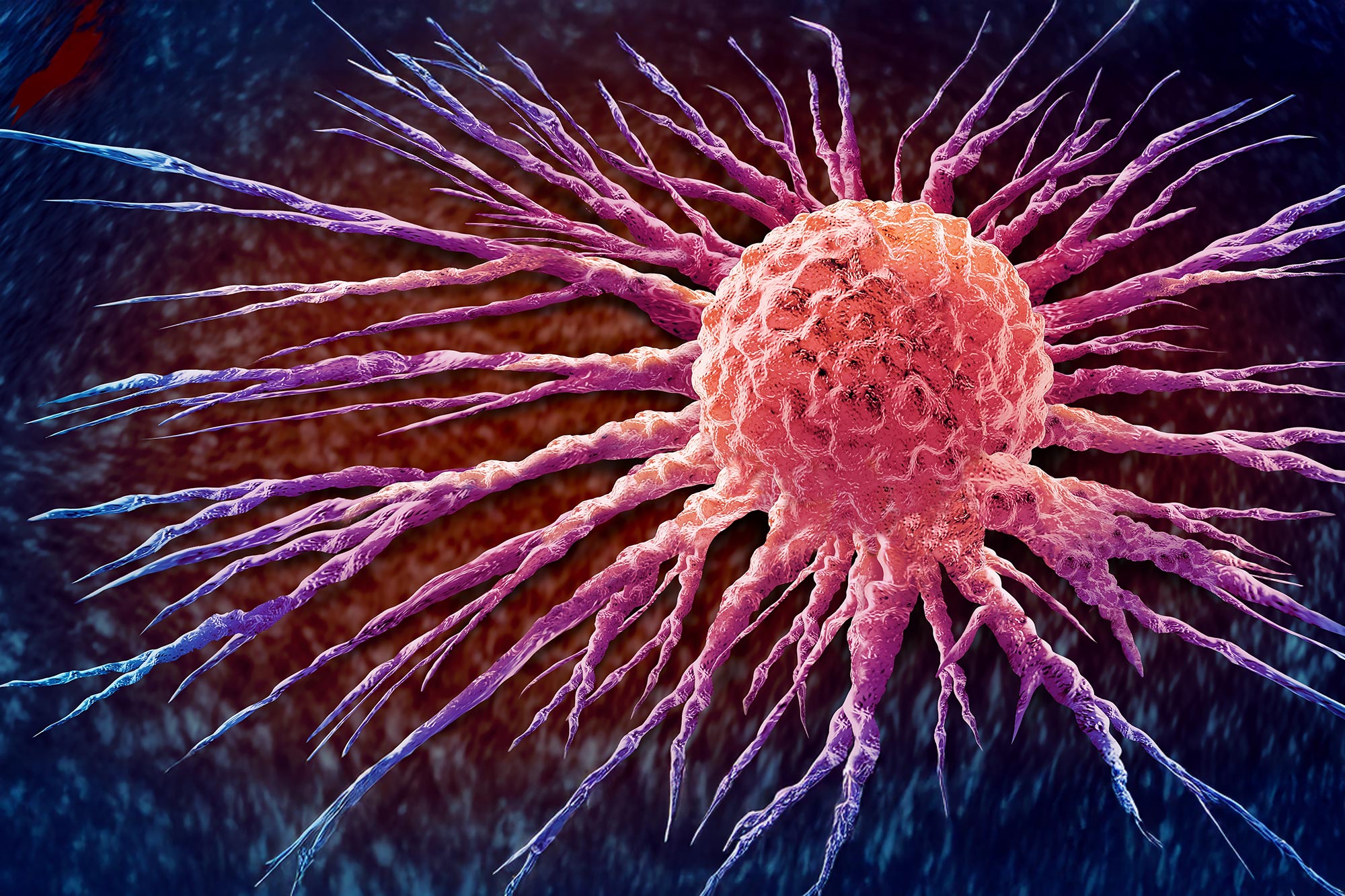
Researchers in Sweden have identified an unexpected biological mechanism that could influence future cancer treatments.
Scientists in Sweden have uncovered an unexpected anti-cancer effect from a molecule produced by the bacteria responsible for cholera. In a new study from Umeå University, researchers found that this bacterial toxin can slow the growth of colorectal tumors without causing measurable harm to healthy tissue.
When administered throughout the body, the purified compound appeared to act selectively within tumors, altering immune activity in ways that may support long-term cancer control.
“The substance not only kills cancer cells directly. It reshapes the tumor environment and helps the immune system to work against the tumor without damaging healthy tissue,” says Sun Nyunt Wai, professor at Umeå University and one of the lead authors behind the study.
Colorectal cancer, i.e., cancer of the colon and rectum, remains a major global health challenge. It is the third most common cancer worldwide and the second leading cause of cancer-related deaths.
Treatment usually relies on surgery, radiation, or chemotherapy, approaches that can be lifesaving but often come with serious side effects. As the number of cases continues to rise globally, researchers are increasingly interested in therapies that can target tumors more precisely while sparing healthy cells.
Studying a Cholera-Derived Cytotoxin
The Umeå research team examined MakA, a cytotoxin secreted by the cholera bacterium Vibrio cholerae. In mouse experiments, systemic delivery of purified MakA led to a marked reduction in tumor growth.
Rather than triggering widespread inflammation, the toxin appeared to concentrate its effects within tumor tissue, where it influenced both cancer cell survival and the surrounding immune environment. These findings suggest that bacterial molecules, long studied for their role in disease, may also offer unexpected tools for future cancer therapies.
The substance accumulated specifically in the tumor tissue, where it increased cell death of tumor cells and reduced their ability to increase in number. In parallel, MakA changed the composition of the cellular environment in tumors and increased the number of innate immune cells, especially macrophages and neutrophils, which in turn contributed to inhibiting tumor growth.
Safety and Localized Action
The treatment did not lead to any harmful inflammation in mice. No adverse effects on body weight, general health, or the function of vital organs could be seen even after repeated dosing. This suggests that the effect of MakA is local and specifically targeted at tumors.
Further analyses confirmed that MakA stimulated the formation of so-called immune mediators in the tumor that promote cell death while maintaining regulatory mechanisms that limit damage to surrounding tissue.
“Although more research is needed, the results clearly show an interesting path for developing a new type of cancer treatment, which utilizes substances that bacteria create to both kill cancer cells and strengthen the body’s own defenses,” says Saskia Erttmann, one of the lead authors behind the study.
The researchers emphasize that more studies are needed to explore the anti-cancer potential of MakA in other models as well as to assess its suitability for future clinical use.
Reference: “A bacterial toxin as a novel anti-cancer drug modulating the tumor-microenvironment” by Lingyu Li, Pauline Evain, Michael Timothy Phillips, Maria Lopez Chiloeches, Anna Bergonzini, Teresa Frisan, Sun Nyunt Wai and Saskia Friederike Erttmann, 1 December 2025, Cell Death & Disease.
DOI: 10.1038/s41419-025-08219-2
Funding: Swedish Research Council, Swedish Cancer Society, and Kempe Foundation
Never miss a breakthrough: Join the SciTechDaily newsletter.
Follow us on Google and Google News.
3 Comments
Keep up the good research. Looks promising.
A very interesting finding, wish the researchers the best, and hope the next step will be a clinical study. Bowel cancer and its treatment are extremely unpleasant, and something like this could be a breakthrough.
Injecting dead bacteria into the tumor to stimulate immune responce was the original way they treated cancer.