
Close Menu
    Facebook X (Twitter) Instagram
    SciTechDaily
    • Biology
    • Chemistry
    • Earth
    • Health
    • Physics
    • Science
    • Space
    • Technology
    Facebook X (Twitter) Pinterest YouTube RSS
    SciTechDaily
    Home»Science»Trillions in Lost Productivity: The Rising Cost of Climate Anxiety
    Science

    Trillions in Lost Productivity: The Rising Cost of Climate Anxiety

    By Griffith UniversityJuly 19, 2024No Comments2 Mins Read
    Facebook Twitter Pinterest Telegram LinkedIn WhatsApp Email Reddit
    Share
    Facebook Twitter LinkedIn Pinterest Telegram Email Reddit
    Climate Change Rally Global Warming Protest
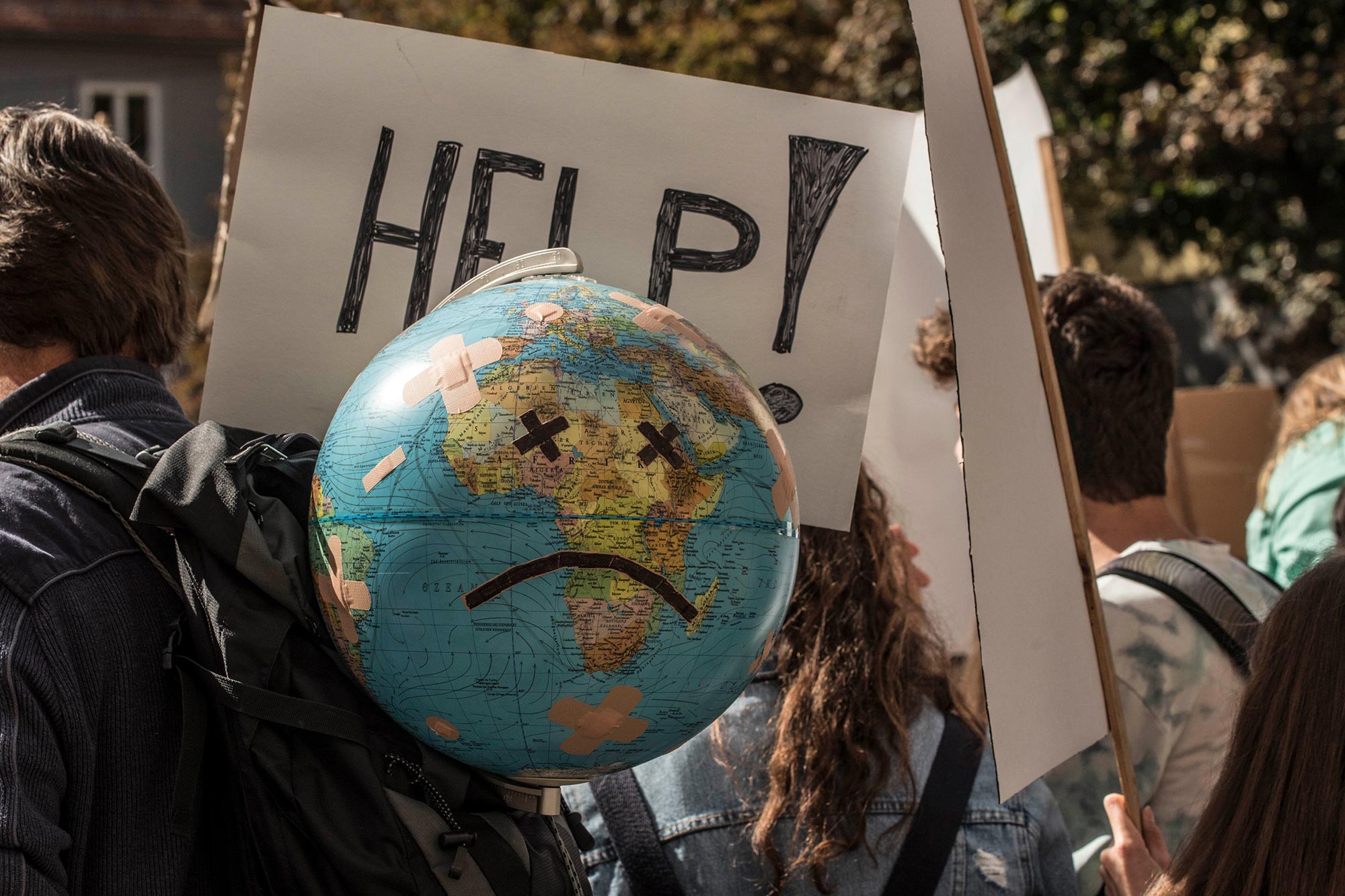
    Professor Ralf Buckley proposes that tracking ecoanxiety could help predict societal shifts toward more sustainable lifestyles, as fears regarding environmental crises could lead to reduced birth rates and lesser economic activities, potentially decreasing humanity’s footprint on Earth.

    Ecoanxiety could forecast future lifestyle choices, potentially leading to significant reductions in birth rates and economic ambitions as society adapts to environmental crises.

    Could nature and climate anxieties predict future social behaviors, in the same way that consumer sentiment predicts purchasing and investment?

    The suggestion is made in the Cell Press journal One Earth, by Griffith University’s Professor Emeritus Ralf Buckley, in a preview of an article led by Professor Thomas Pienkowski in the UK.

    The Economic and Health Impacts of Anxiety

    Professor Buckley said the international Global Burden of Disease Study had shown that anxiety and depression were widespread and worsening.

    “Economic costs are up to 16% of global GDP, with 19 days per year on average lost for every person worldwide,” Professor Buckley said.

    “There are many causes, and these include the current climate, biodiversity, and livelihood crises.

    Eco-Anxiety and Social Determinants

    “Professor Pienkowski’s article points out that health-sector responses such as counseling and chemotherapies address only symptoms, not underlying social determinants.

    “Anxiety and its economic costs will therefore keep growing until we can achieve major changes in global economic and political systems.”

    Professor Buckley argued that we could use current types and intensities of eco-anxiety to measure people’s expectations of planetary futures.

    Lifestyle Choices and Eco-Anxiety

    “Higher anxieties may mean that more people adopt ‘lie-flat’ lifestyles, with fewer children and lower financial ambitions,” he said.

    “Lie-flat social changes at large scale are just what is needed to reduce human impacts on the Earth, before it is incapable of supporting its still-growing human population.”

    Therefore, Professor Buckley suggested tracking changes in the various types of eco-anxiety and matching them to lifestyle choices to predict what changes were likely to occur across the billions of people on the planet.

    The opinion piece ‘Immediate economic significance of nature, climate and livelihood anxieties’ has been published in One Earth.

    Reference: “Immediate economic significance of nature, climate, and livelihood anxieties” by Ralf C. Buckley, 19 July 2024, One Earth.
    DOI: 10.1016/j.oneear.2024.06.004

    Never miss a breakthrough: Join the SciTechDaily newsletter.
    Follow us on Google and Google News.

    Anxiety Disorders Climate Change Economics Griffith University Psychology
    Share. Facebook Twitter Pinterest LinkedIn Email Reddit

    Related Articles

    Ending Prices With “.99″ Can Sometimes Backfire on Sellers

    To Prevent Hunger, Climate Adaptation Requires Billions in Additional Annual Investments

    The Next 20 Years Are Crucial in Determining the Economic Future of Coal

    A Threat to Business and Financial Markets: Misuse of Climate Data

    Civilization May Need to “Forget the Flame” to Reduce CO2 Emissions

    Climate Change Conundrum Faced by Farmers: Low Crop Yields or Revenue Instability

    A One-Time Punk Rock Guitarist Is Playing a New Tune at MIT

    Happier People Earn More Money

    Warming Affects Economic Growth in Developing Nations

    Leave A Reply Cancel Reply

    • Facebook
    • Twitter
    • Pinterest
    • YouTube

    Don't Miss a Discovery

    Subscribe for the Latest in Science & Tech!

    Trending News

    125-Million-Year-Old Crocodile Fossil Reveals Astonishing New Secrets

    Scientists Discover an “Impossible” Way Muscle Filaments Can Grow

    A Star’s Spin Could Solve a Longstanding Black Hole Mystery

    NASA Finds Earth Microbes Could Hide in the Moon’s Deep Shadows

    New Study: Intermittent Fasting Lowers Blood Sugar in Type 1 Diabetes

    Alzheimer’s Brain Changes May Begin 7 Years Earlier Than Scientists Thought

    This New Molecule Could Transform How We Recover Gold From Electronic Waste

    A Billion Years Before the Grand Canyon, a Giant Cliff May Have Stretched Across America

    Follow SciTechDaily
    • Facebook
    • Twitter
    • YouTube
    • Pinterest
    • Newsletter
    • RSS
    SciTech News
    • Biology News
    • Chemistry News
    • Earth News
    • Health News
    • Physics News
    • Science News
    • Space News
    • Technology News
    Recent Posts
    • Sugary Drinks Linked to 145% Higher Risk of Gastric Cancer
    • How Insects Conquered Land Was Stranger Than Scientists Thought
    • A 250-Year-Old Heat Mystery Leads to a Surprising Discovery About Human Sweat
    • Thousands of Giant Whales Are Suddenly Flooding Into an Arctic “Feeding Frenzy”
    • AI Searched 150 Million Materials – and Found Two Promising Candidates for Future Electronics
    Copyright © 1998 - 2026 SciTechDaily. All Rights Reserved.
    • Science News
    • About
    • Contact
    • Editorial Board
    • Privacy Policy
    • Terms of Use

    Type above and press Enter to search. Press Esc to cancel.