
Close Menu
    Facebook X (Twitter) Instagram
    SciTechDaily
    • Biology
    • Chemistry
    • Earth
    • Health
    • Physics
    • Science
    • Space
    • Technology
    Facebook X (Twitter) Pinterest YouTube RSS
    SciTechDaily
    Home»Earth»Tropical Storm Cristobal Drenches Central America
    Earth

    Tropical Storm Cristobal Drenches Central America

    By Adam Voiland, Earth ObservatoryJune 6, 2020No Comments2 Mins Read
    Facebook Twitter Pinterest Telegram LinkedIn WhatsApp Email Reddit
    Share
    Facebook Twitter LinkedIn Pinterest Telegram Email Reddit

    Tropical Storm Cristobal

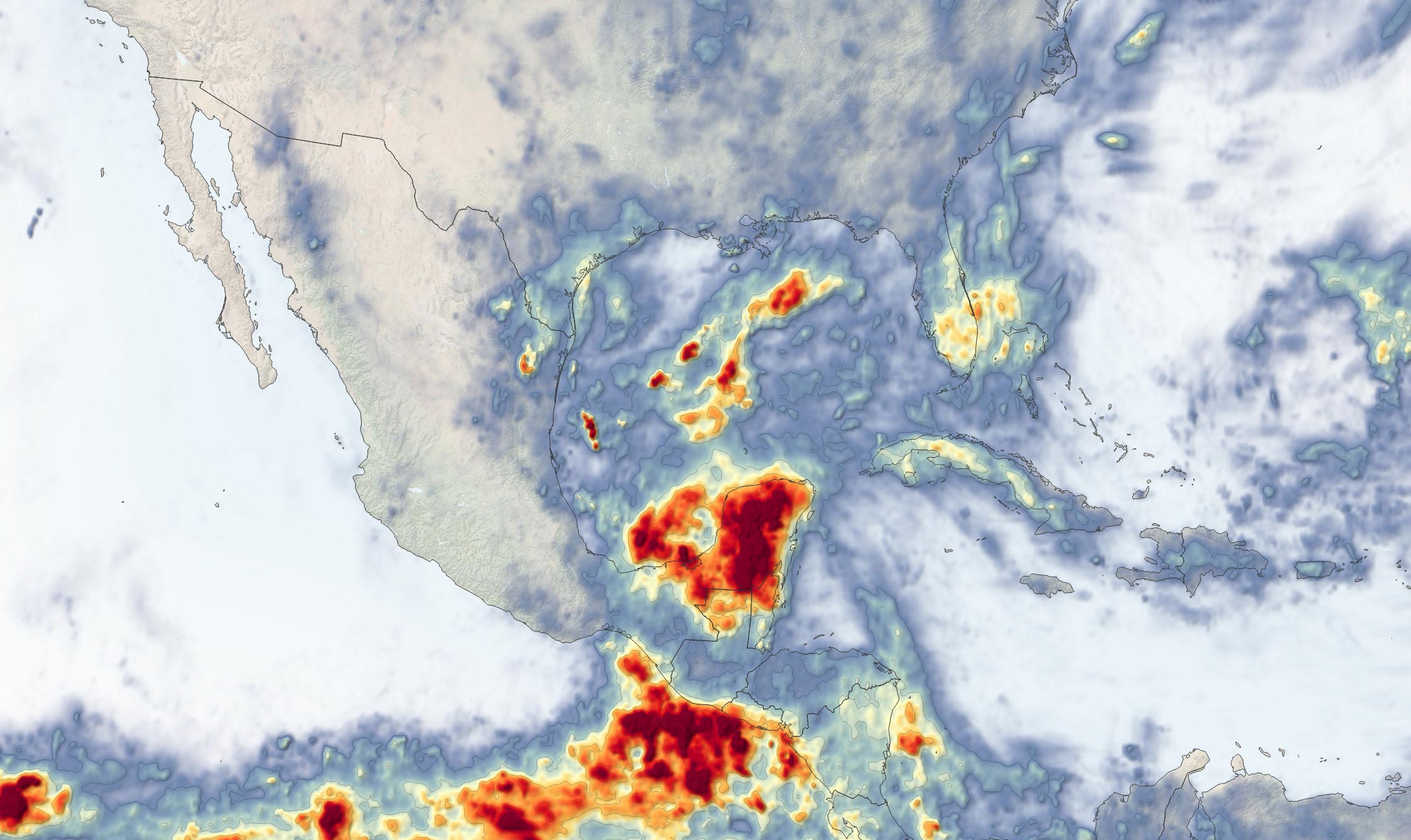
    The 2020 Atlantic hurricane season is off to a busy start. By the first week of June, Tropical Storm Arthur had already brushed North Carolina, Tropical Storm Bertha had drenched South Carolina, and the third named storm of the year— Cristobal—was dropping torrential rain on the Yucatán Peninsula.

    The storm first developed in the Pacific in late May as Tropical Storm Amanda, spinning off the southern end of a seasonal low-pressure pattern called the Central American Gyre. After making landfall in Guatemala and causing deadly floods in El Salvador, Amanda weakened and became less organized as it crossed Central America. It then reorganized and began to intensify as it reached the Atlantic Ocean and encountered the north end of the gyre. While lingering over the Yucatán Peninsula for several days, the storm dropped tremendous amounts of rain on parts of Mexico, Belize, and Guatemala.

    The map above shows rainfall accumulation in Central America from May 27 to June 5, 2020. Rainfall totals were particularly intense in the Mexican states of Yucatán, Campeche, and Quintana Roo. These data are remotely-sensed estimates that come from the Integrated Multi-Satellite Retrievals for GPM (IMERG), a product of the Global Precipitation Measurement (GPM) mission. Local rainfall amounts can be significantly higher when measured from the ground.

    According to the U.S. National Hurricane Center, the storm dropped as much as 65 centimeters (25 inches) of rain on parts of Mexico; some locations in Guatemala and El Salvador saw 90 centimeters (35 inches). Deadly flooding swamped hundreds of homes in El Salvador, prompting that country’s president to declare a state of emergency.

    National Hurricane Center forecast models show the storm moving northward over the Gulf of Mexico toward Louisiana and other Gulf Coast states from June 6-8.

    NASA Earth Observatory image by Joshua Stevens, using IMERG data from the Global Precipitation Mission (GPM) at NASA/GSFC.

    Never miss a breakthrough: Join the SciTechDaily newsletter.
    Follow us on Google and Google News.

    NASA Earth Observatory Weather
    Share. Facebook Twitter Pinterest LinkedIn Email Reddit

    Related Articles

    Brace for an Active 2020 Hurricane Season

    Incredible Rare Peek at Patagonia in Winter

    “Godzilla” Dust Cloud Described As “Amazing” by NASA Astronaut Aboard Space Station

    Satellite Maps Shows Signs of Drought in European Groundwater

    Meteorologists Shocked as Heat and Fire Scorches Siberia

    Unusual “Volcano Track” Clouds Investigated

    After Two Years of Drought Ends, Southeastern Australia Turns Green

    “Wedge Failure” Landslide in Alaska

    Muddy Flooding After Catastrophic Dam Failures in Michigan Seen From Space

    Leave A Reply Cancel Reply

    • Facebook
    • Twitter
    • Pinterest
    • YouTube

    Don't Miss a Discovery

    Subscribe for the Latest in Science & Tech!

    Trending News

    Black Hole Collisions May Follow a Surprisingly Simple Rule

    The Eye Has a Hidden Cleanup System and Scientists Just Discovered It

    The Truth About Vikings Is More Complicated Than Museums Admit

    New Catalyst Turns Stubborn Plant Waste Into Valuable Chemicals

    Quantum Gravity May Be Far Less Quantum Than Physicists Expected

    New Tool Supercharges Immunotherapy Against Prostate Cancer

    The Hidden Cancer Risk of Ketogenic Diets

    One Asteroid Collision May Have Rocked Earth, Mars, and the Moon

    Follow SciTechDaily
    • Facebook
    • Twitter
    • YouTube
    • Pinterest
    • Newsletter
    • RSS
    SciTech News
    • Biology News
    • Chemistry News
    • Earth News
    • Health News
    • Physics News
    • Science News
    • Space News
    • Technology News
    Recent Posts
    • Scientists Built a Programmable Chip That Can Slow Light on Command
    • Astronomers Detect an Atmosphere on a Potentially Earth-Like World
    • The Backyard “Silly Sprinkler” That Cracked One of Physics’ Biggest Puzzles
    • Magnetic Nanoparticles Restore Movement in Mice With Parkinson’s-Like Symptoms
    • Scientists Found What May Be Keeping the Alzheimer’s Brain Awake
    Copyright © 1998 - 2026 SciTechDaily. All Rights Reserved.
    • Science News
    • About
    • Contact
    • Editorial Board
    • Privacy Policy
    • Terms of Use

    Type above and press Enter to search. Press Esc to cancel.