
“We are one step closer to a greener and climate-friendlier food production.”
This is the conclusion reached by Kasper Røjkjær Andersen and Simona Radutoiu, both professors of molecular biology at Aarhus University.
Their latest research uncovers an important clue that could help decrease the global dependence on synthetic fertilizer.
How Some Plants Thrive Without Fertilizer
Plants require nitrogen to grow, and most crop species obtain it only through fertilizer. A small group of plants, including peas, clover, and beans, can grow without added nitrogen. These plants host bacteria that live in partnership with their roots and convert nitrogen from the air into a form the plant can use.
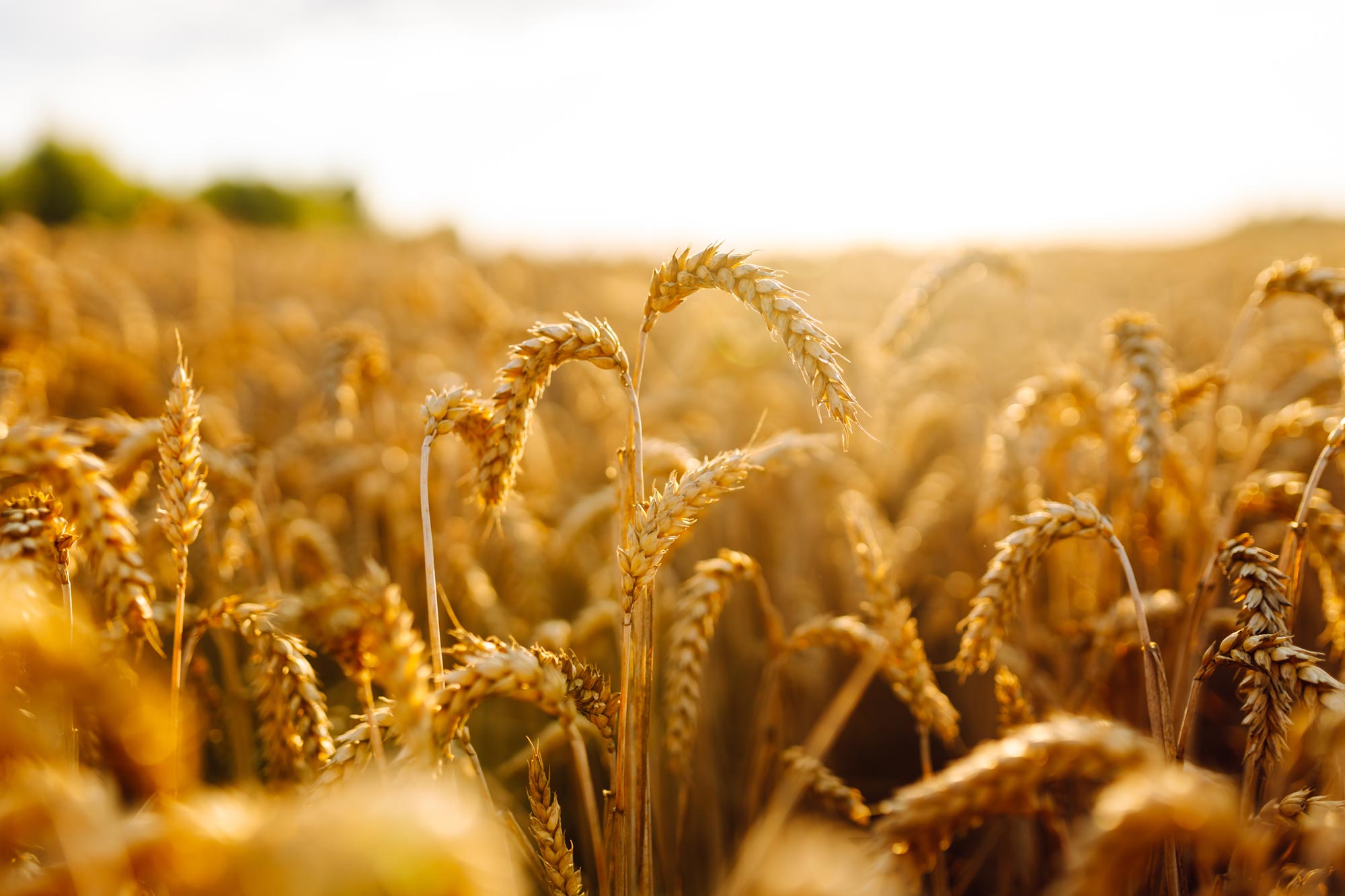
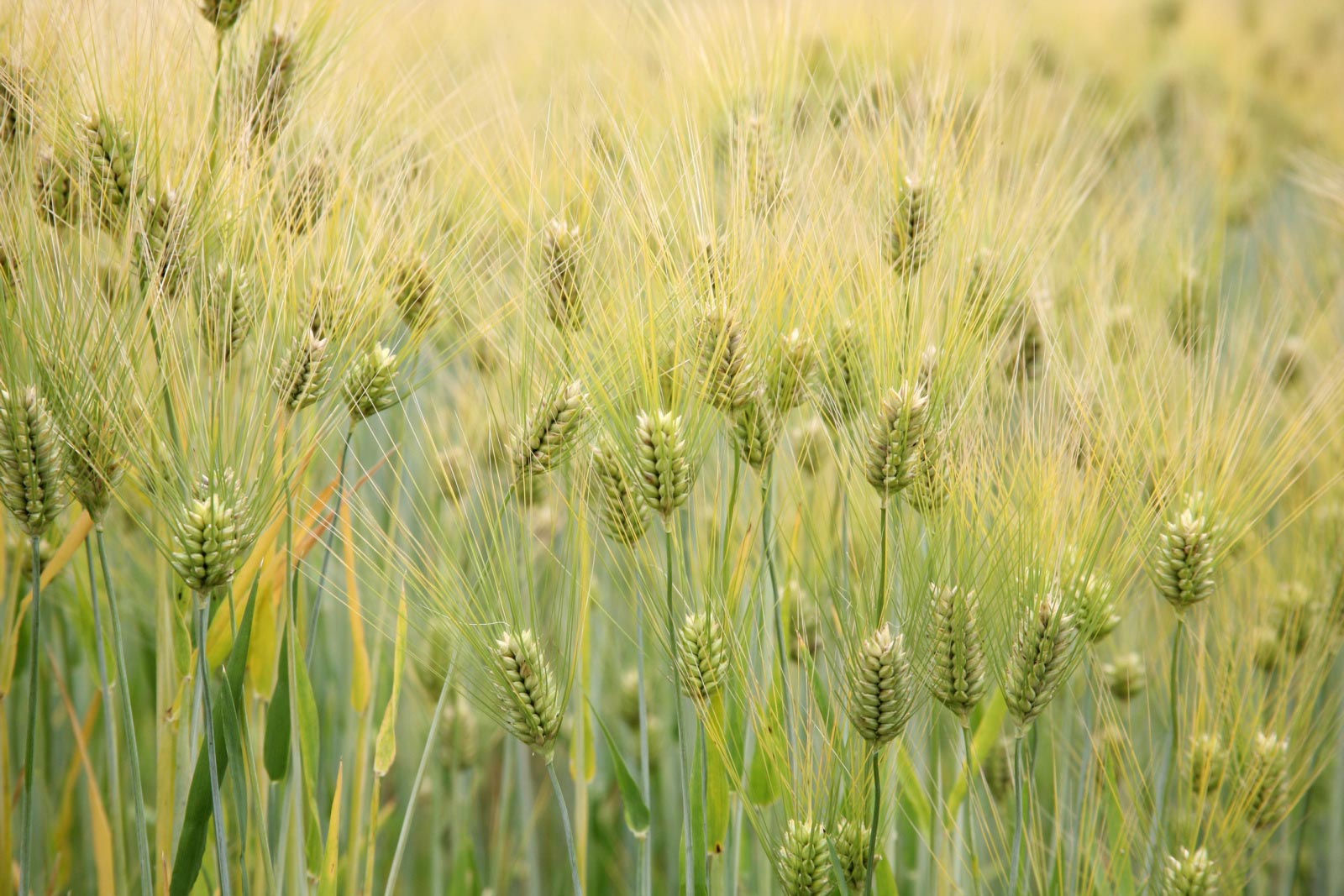
Researchers around the world are now investigating the molecular and genetic processes behind this natural ability, hoping it can eventually be introduced into major food crops such as wheat, barley, and maize.
If this trait can be transferred successfully, these crops could become self-sufficient in nitrogen. This would reduce the demand for artificial fertilizer, which currently requires about two percent of the world’s total energy consumption and produces significant CO2 emissions.
A Molecular Switch That Governs Symbiosis
Scientists at Aarhus University have identified small but critical changes in plant receptors that influence whether the immune system is turned off long enough to allow nitrogen-fixing bacteria to form a partnership with the plant.
Plants use receptors on their cell surfaces to detect chemical signals from soil microorganisms.
Some bacteria release compounds that tell the plant they are “enemies,” prompting a defensive response. Others signal that they are “friends” capable of providing nutrients.
Legumes such as peas, beans, and clover welcome helpful bacteria into their roots. Inside these root tissues, the bacteria convert nitrogen from the air and share it with the plant. This partnership is known as symbiosis and explains why legumes can grow without added fertilizer.
Researchers at Aarhus University found that this ability is strongly influenced by two amino acids, which are small “building blocks” in a protein located in the plant’s roots.
“This is a remarkable and important finding,” says Simona Radutoiu. The root protein acts as a “receptor” that reads signals from bacteria and decides whether to activate the immune system (alarm) or permit symbiosis.
Identifying Symbiosis Determinant 1
The team identified a small region in the receptor protein called Symbiosis Determinant 1. This region works like a switch that controls which message is sent inside the plant cell.
By altering only two amino acids within this switch, the researchers could change a receptor that normally triggers immunity so that it instead initiates symbiosis with nitrogen-fixing bacteria.
“We have shown that two small changes can cause plants to alter their behavior on a crucial point – from rejecting bacteria to cooperating with them,” Radutoiu explains.
Extending the Breakthrough to Major Crops
In laboratory experiments, the researchers successfully modified the plant Lotus japonicus. They then applied the same approach to barley and observed the same effect.
“It is quite remarkable that we are now able to take a receptor from barley, make small changes in it, and then nitrogen fixation works again,” says Kasper Røjkjær Andersen.
The potential impact is substantial. If this modification can be introduced into widely grown cereals, it may one day be possible to cultivate wheat, maize, or rice that can fix nitrogen themselves, similar to legumes.
“But we have to find the other, essential keys first,” says Simona Radutoiu, adding:
“Only very few crops can perform symbiosis today. If we can extend that to widely used crops, it can really make a big difference on how much nitrogen needs to be used.”
Reference: “Two residues reprogram immunity receptors for nitrogen-fixing symbiosis” by Magdalini Tsitsikli, Bine Simonsen, Thi-Bich Luu, Maria M. Larsen, Camilla G. Andersen, Kira Gysel, Damiano Lironi, Christina Krönauer, Henriette Rübsam, Simon B. Hansen, René Bærentsen, Jesper Lundsgaard Wulff, Sarah Holt Johansen, Gülendam Sezer, Jens Stougaard, Kasper Røjkjær Andersen and Simona Radutoiu, 5 November 2025, Nature.
DOI: 10.1038/s41586-025-09696-3
Never miss a breakthrough: Join the SciTechDaily newsletter.
Follow us on Google and Google News.