
Close Menu
    Facebook X (Twitter) Instagram
    SciTechDaily
    • Biology
    • Chemistry
    • Earth
    • Health
    • Physics
    • Science
    • Space
    • Technology
    Facebook X (Twitter) Pinterest YouTube RSS
    SciTechDaily
    Home»Biology»UCLA Scientists Propose a Benchmark for Better Stem Cell Replication
    Biology

    UCLA Scientists Propose a Benchmark for Better Stem Cell Replication

    By Peter Bracke, University of California - Los AngelesNovember 10, 2014No Comments3 Mins Read
    Facebook Twitter Pinterest Telegram LinkedIn WhatsApp Email Reddit
    Share
    Facebook Twitter LinkedIn Pinterest Telegram Email Reddit
    Scientists Propose Benchmark for Better Replication of Natural Stem Cells
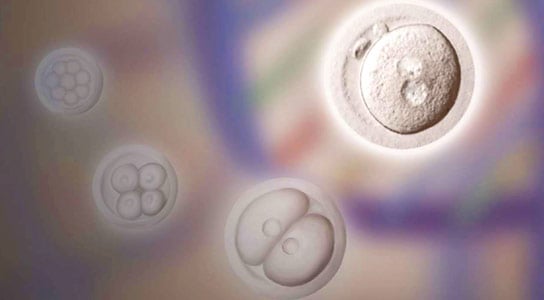
    UCLA research sets a benchmark for evaluating lab-generated stem cell conditions against those in human embryos. This could help scientists mimic natural stem cell development more accurately in artificial settings. Credit: Guoping Fan Lab/UCLA

    New research from UCLA establishes a standard to assess how conditions used to procure stem cells in the lab compare to those found in a human embryo, and could provide the foundation for scientists to more precisely replicate natural stem cell development in an artificial environment.

    The study, led by Guoping Fan, professor of human genetics at David Geffen School of Medicine at the University of California, Los Angeles (UCLA), was published in the October edition of the journal Cell Stem Cell.

    Pluripotent stem cells are cells that can transform into almost any cell in the human body. Scientists have long cultured them in the laboratory (in vitro) using different methods and under a variety of conditions. Though it has been known that culture techniques can affect what kind of cells pluripotent stem cells eventually become, no “gold standard” has yet been established to help scientists determine how the artificial environment can more closely replicate that found in a natural state (in vivo).

    “When you have culture conditions that more consistently match a non-artificial environment, you have the potential for a much better reflection of what is going on in actual human development,” said Kevin Huang, a postdoctoral fellow in Fan’s lab and a lead author of the study.

    Huang analyzed data from multiple research studies conducted during the past year. These previously published studies used different culture methods newly developed in vitro in the hopes of coaxing human stem cells into a type of pluripotency that is in a primitive or ground-zero state.

    Utilizing recently published gene expression profiles of human embryos that hadn’t yet implanted as the benchmark to analyze the data, Huang and his colleagues found that the newer culture methods appear to better resemble those found in the natural environment of developing embryos. This work lays the foundation for the adoption of standardized protocol among the scientific community.

    “By making an objective assessment of these different laboratory techniques, we found that some may have more of an edge over others in better replicating a natural state,” Huang said.

    With these findings, Fan’s team hopes to encourage further investigation into other cell characteristics and molecular markers that determine the effectiveness of culture conditions on the proliferation and self-renewal of PSCs.

    “We hope this work will help the research community to reach a consensus to quality-control human pluripotent stem cells,” Fan said.

    Reference: “The Naive State of Human Pluripotent Stem Cells: A Synthesis of Stem Cell and Preimplantation Embryo Transcriptome Analyses” by Kevin Huang, Toru Maruyama and Guoping Fan, 2 October 2014, Cell Stem Cell.
    DOI: 10.1016/j.stem.2014.09.014

    The research was supported by the National Institutes of Health and UCLA Eli and Edythe Broad Center of Regenerative Medicine and Stem Cell Research.

    Never miss a breakthrough: Join the SciTechDaily newsletter.
    Follow us on Google and Google News.

    Stem Cells UCLA
    Share. Facebook Twitter Pinterest LinkedIn Email Reddit

    Related Articles

    Inside the Human Brain: Genetic Discoveries That Could Revolutionize Medicine

    UCLA Study Challenges Long-Held Beliefs in Bioengineering and Stem Cell Dynamics

    Scientists Discover How Microenvironments Regulate Stem Cell Development

    New Research Helps Explain Some Causes of Infertility and Miscarriage

    Research Reveals New Strategy to Control Cellular Identity and Fate

    Preventing Blood Stem Cell Differentiation by Nutrition and Insulin

    Scientists Use Stem Cells to Better Understand Hepatitis C

    Scientists Create Stem-Cell-Derived Neurons from Alzheimer’s Disease

    Human Stem Cells Transplanted Into Mouse Brains

    Leave A Reply Cancel Reply

    • Facebook
    • Twitter
    • Pinterest
    • YouTube

    Don't Miss a Discovery

    Subscribe for the Latest in Science & Tech!

    Trending News

    Your Blood Pressure Reading Could Be Wrong Because of One Simple Mistake

    Astronomers Stunned by Ancient Galaxy With No Spin

    Physicists May Be on the Verge of Discovering “New Physics” at CERN

    Scientists Solve 320-Million-Year Mystery of Reptile Skin Armor

    Scientists Say This Daily Walking Habit May Be the Secret to Keeping Weight Off After Dieting

    New Therapy Rewires the Brain To Restore Joy in Depression Patients

    Giant Squid Detected off Western Australia in Stunning Deep-Sea Discovery

    Popular Sugar-Free Sweetener Linked to Liver Disease, Study Warns

    Follow SciTechDaily
    • Facebook
    • Twitter
    • YouTube
    • Pinterest
    • Newsletter
    • RSS
    SciTech News
    • Biology News
    • Chemistry News
    • Earth News
    • Health News
    • Physics News
    • Science News
    • Space News
    • Technology News
    Recent Posts
    • Scientists Say Cognitive Decline Isn’t Inevitable — Your Brain Can Improve at Any Age
    • This Weird Sea Creature May Have Rewritten Life’s Genetic Rulebook
    • The Hidden Types of Dementia Most People Have Never Heard Of
    • Scientists Discover Why Alcohol Prevents the Liver From Healing, Even After You Quit
    • Scientists Solve a 60-Year-Old Fat Cell Mystery — and It Changes What We Know About Obesity
    Copyright © 1998 - 2026 SciTechDaily. All Rights Reserved.
    • Science News
    • About
    • Contact
    • Editorial Board
    • Privacy Policy
    • Terms of Use

    Type above and press Enter to search. Press Esc to cancel.