
Close Menu
    Facebook X (Twitter) Instagram
    SciTechDaily
    • Biology
    • Chemistry
    • Earth
    • Health
    • Physics
    • Science
    • Space
    • Technology
    Facebook X (Twitter) Pinterest YouTube RSS
    SciTechDaily
    Home»Earth»Unlocking Earth’s Energy Balance: NASA’s CubeSats Explore Polar Heat Loss
    Earth

    Unlocking Earth’s Energy Balance: NASA’s CubeSats Explore Polar Heat Loss

    By NASADecember 4, 2024No Comments2 Mins Read
    Facebook Twitter Pinterest Telegram LinkedIn WhatsApp Email Reddit
    Share
    Facebook Twitter LinkedIn Pinterest Telegram Email Reddit
    PREFIRE Cubesat Illustration
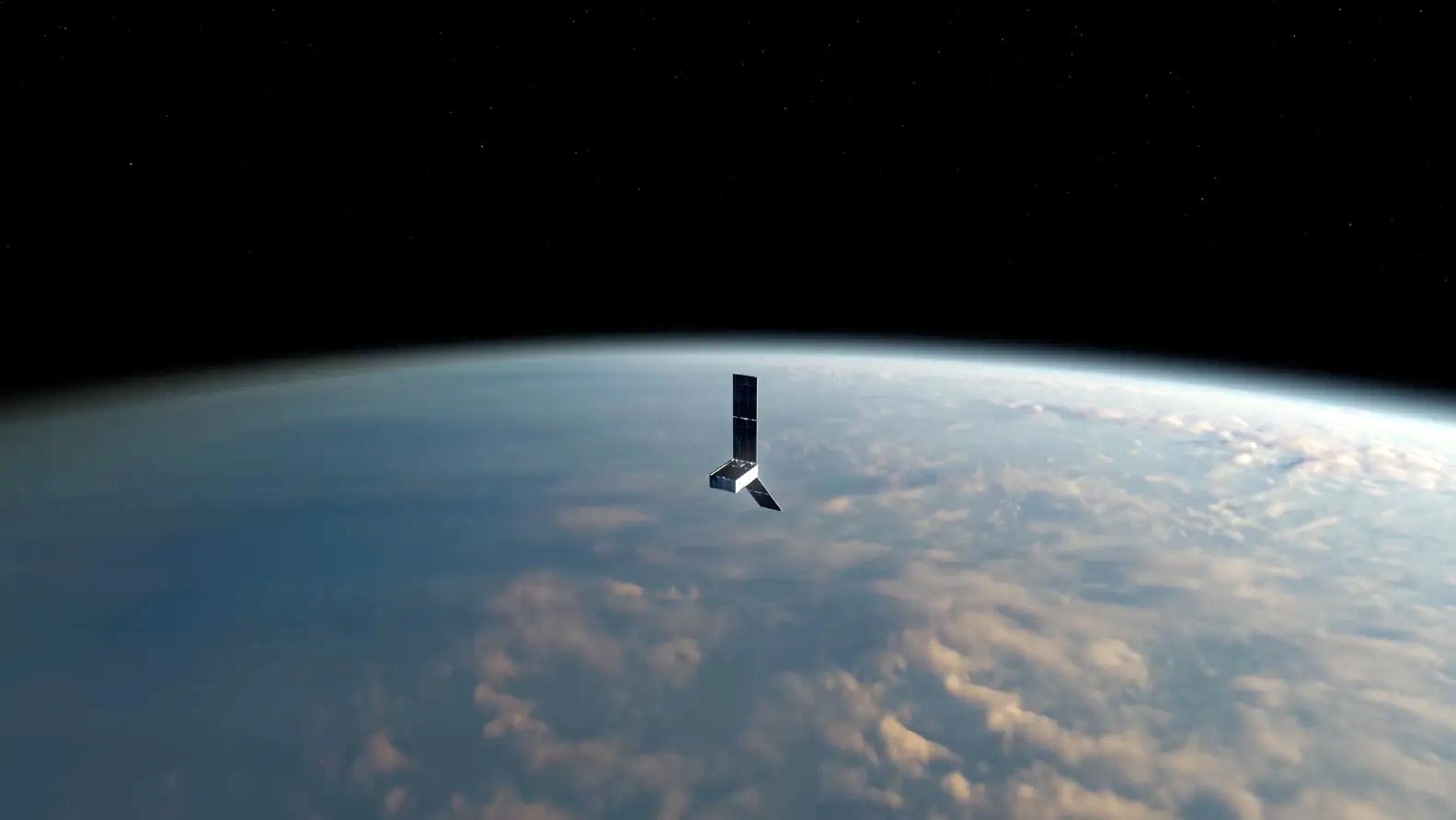
    This artist’s concept depicts one of two PREFIRE CubeSats in orbit around Earth. The NASA mission will measure the amount of far-infrared radiation the planet’s polar regions shed to space – information that’s key to understanding Earth’s energy balance. Credit: NASA/JPL-Caltech

    NASA’s PREFIRE mission uses two small CubeSats to measure far-infrared radiation emitted by Earth’s polar regions, offering unprecedented insights into the Arctic and Antarctic’s contribution to the planet’s energy balance.

    Despite GPS challenges, the satellites have successfully gathered and transmitted data since mid-2023, employing alternative geolocation methods.

    NASA’s PREFIRE Mission

    Two shoebox-sized satellites, part of NASA’s Polar Radiant Energy in the Far-Infrared Experiment (PREFIRE) mission, are measuring the heat emitted as far-infrared radiation from the Arctic and Antarctica into space. This type of data has never been systematically collected before and provides critical insights into Earth’s energy balance.

    The measurements will help researchers better understand when and where the polar regions release far-infrared radiation and how factors like atmospheric water vapor and clouds affect the amount of heat that escapes.

    Addressing GPS Challenges and Data Collection

    The first cube satellite, or CubeSat, launched on May 25 from New Zealand and started sending back science data in July. Launched on June 5, the second CubeSat had an issue with its GPS unit, which researchers were planning to use to help geolocate the science data from the satellite.

    After the GPS unit on the first CubeSat also began experiencing issues, the PREFIRE team decided to turn off the GPS units on both CubeSats and use an alternative method for geolocating the science data. The second CubeSat started sending back science data in August. The GPS issue has not affected the science operations of either CubeSat.

    Public Data Availability and Future Applications

    Initial data products from both CubeSats were made publicly available in late October through NASA’s Atmospheric Science Data Center. Subsequent data products are scheduled for public release in early 2025. Data from the mission will help researchers better predict how a changing climate will affect the planet’s ice, seas, and weather. This information can be used to help communities around the world better prepare for shifts in climate and weather patterns.

    Never miss a breakthrough: Join the SciTechDaily newsletter.
    Follow us on Google and Google News.

    Atmospheric Science Climate Science NASA NASA PREFIRE
    Share. Facebook Twitter Pinterest LinkedIn Email Reddit

    Related Articles

    NASA’s Tiny PREFIRE Satellites Just Uncovered a Hidden Driver of Earth’s Storms

    NASA’s PolSIR: New Mission To Unveil the Mysteries of High-Altitude Ice Clouds

    NASA’s New Earth Science Mission To Study Storms, Impacts on Climate Models

    Earth’s Radiation Budget Is Out of Balance – Doubled During 14-Year Period

    NASA, NOAA Scientists: Earth’s Energy Imbalance Has Doubled

    New NASA Multi-Wavelength Data Sheds (Sun) Light on Climate Models

    Science Made Simple: What Is Earth’s Energy Budget?

    Direct Observations by NASA Confirm that Humans are Throwing Earth’s Energy Budget off Balance

    Total and Spectral Solar Irradiance Sensor Measures Solar Energy Input to Earth

    Leave A Reply Cancel Reply

    • Facebook
    • Twitter
    • Pinterest
    • YouTube

    Don't Miss a Discovery

    Subscribe for the Latest in Science & Tech!

    Trending News

    289-Million-Year-Old Reptile Mummy Reveals Origin of Human Breathing System

    New Brain Discovery Challenges Long-Held Theory of Teenage Brain Development

    Scientists Discover Plants “Scream” – We Just Couldn’t Hear Them Until Now

    Scientists Discover a Surprising Reason Intermittent Fasting Extends Life

    This Simple Fruit Wash Could Make Produce Safer and Last Days Longer

    Scientists Say Adding This Unusual Seafood to Your Diet Could Reverse Signs of Aging

    Scientists Say a Hidden Structure May Exist Inside Earth’s Core

    Doctors Surprised by the Power of a Simple Drug Against Colon Cancer

    Follow SciTechDaily
    • Facebook
    • Twitter
    • YouTube
    • Pinterest
    • Newsletter
    • RSS
    SciTech News
    • Biology News
    • Chemistry News
    • Earth News
    • Health News
    • Physics News
    • Science News
    • Space News
    • Technology News
    Recent Posts
    • Could This New Weight-Loss Pill Disrupt the Entire Market? Here’s What You Should Know About Orforglipron
    • Nearly 1 in 5 Gray Whales That Enter San Francisco Bay Die There
    • The Ozone Layer Is Healing, But There’s a Hidden Catch
    • Earth’s Crust Is Tearing Open in Africa, and It Could Form a New Ocean
    • Breakthrough Bowel Cancer Trial Leaves Patients Cancer-Free for Nearly 3 Years
    Copyright © 1998 - 2026 SciTechDaily. All Rights Reserved.
    • Science News
    • About
    • Contact
    • Editorial Board
    • Privacy Policy
    • Terms of Use

    Type above and press Enter to search. Press Esc to cancel.