
Close Menu
    Facebook X (Twitter) Instagram
    SciTechDaily
    • Biology
    • Chemistry
    • Earth
    • Health
    • Physics
    • Science
    • Space
    • Technology
    Facebook X (Twitter) Pinterest YouTube RSS
    SciTechDaily
    Home»Health»Want To Handle Stress Better? Science Recommends These Surprising Daily Habits
    Health

    Want To Handle Stress Better? Science Recommends These Surprising Daily Habits

    By Binghamton UniversityMarch 19, 20261 Comment4 Mins Read
    Facebook Twitter Pinterest Telegram LinkedIn WhatsApp Email Reddit
    Share
    Facebook Twitter LinkedIn Pinterest Telegram Email Reddit
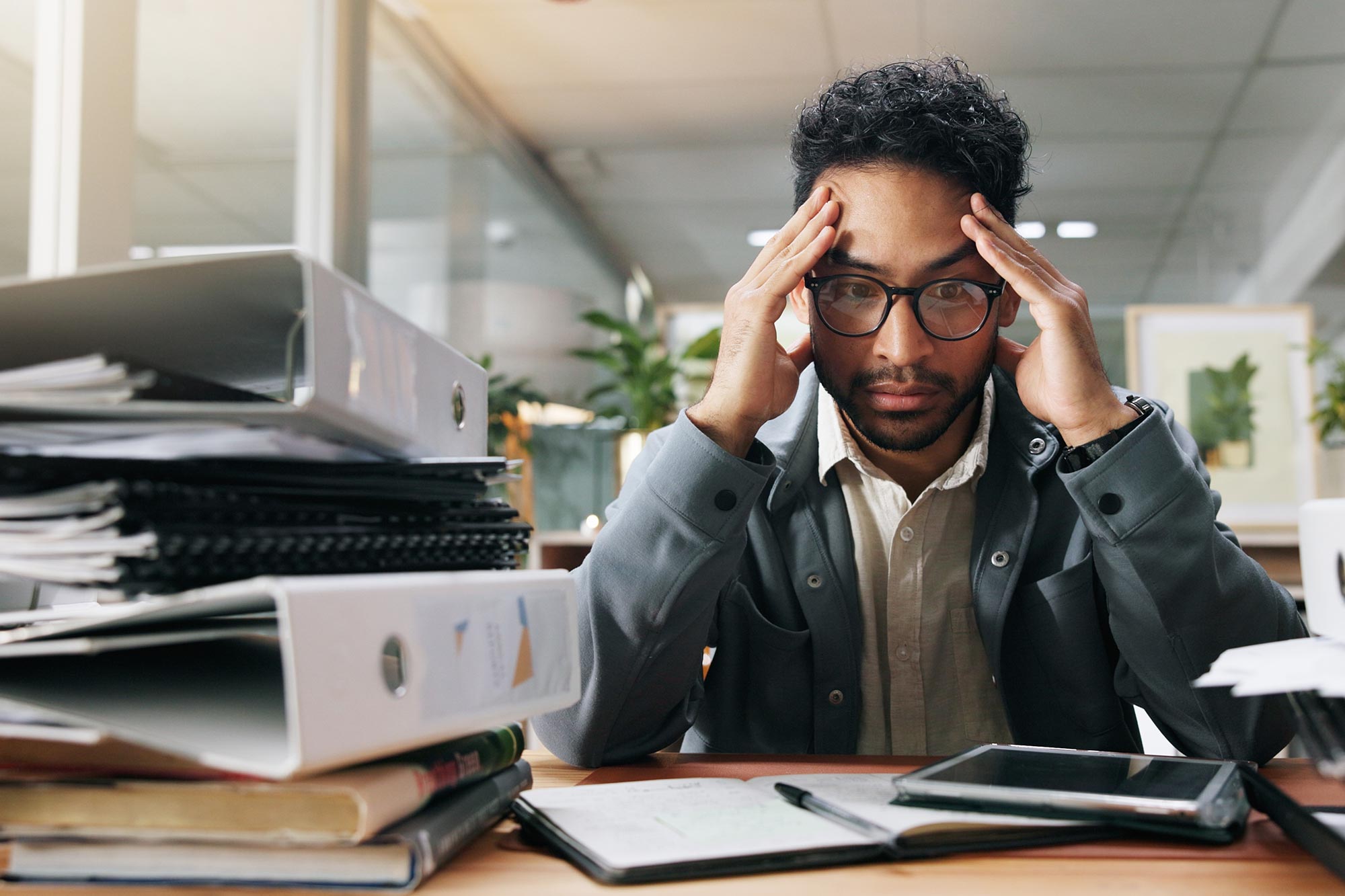
    Stressed Businessman Fatigue Headache Burnout
    A growing body of research suggests that resilience may depend on more than willpower alone. New research points to psychological flexibility as a key mechanism linking everyday habits with the ability to handle stress. Credit: Shutterstock

    Healthy daily habits may do more than support physical health, they may also help the mind stay adaptable when stress strikes.

    Do you ever feel mentally stuck when stress hits, as if you cannot handle what is happening? New research from Binghamton University suggests that simple habits such as eating a healthy breakfast, exercising, and getting enough sleep may help build psychological flexibility, a quality that plays an important role in how people respond to stress.

    Psychological flexibility is the ability to adjust your thoughts, emotions, and actions as situations change, while staying balanced and constructive. Rather than feeling trapped by stress, people with stronger psychological flexibility can pause, understand what they are feeling, and respond in a healthier way.

    “You might know someone who stays cool under pressure,” said Lina Begdache, an associate professor of health and wellness studies and lead author of the study. “The kind of person who misses a flight and, instead of panicking, calmly adapts to the situation. This person may still feel stressed, but they’re better able to manage it through psychological flexibility.”

    Lina Begdache
    Lina Begdache, associate professor of health and wellness studies at Decker College of Nursing and Health Sciences, studies the interaction between food and mood. Credit: Binghamton University, State University of New York

    “People may say that these are resilient people, but they also have what’s called psychological flexibility. They’re able to change the way they think about the situation and then use brain resources to handle the stress.”

    What the Researchers Found

    Begdache and her colleagues, former Assistant Professor of Physical Therapy Binghamton Jason Cherry and former student Alexander J. Talkachov, carried out an anonymous survey of about 400 college students. The questions covered diet, sleep habits, exercise frequency, and other lifestyle factors. The results showed that steady healthy habits, including regular exercise and eating breakfast, are linked to greater psychological flexibility. That, in turn, is associated with stronger resilience and a better ability to cope with stress.

    Key findings from the study include:

    • People who sleep less than six hours tend to have lower resilience and lower psychological flexibility
    • Eating breakfast five or more times a week is associated with greater resilience through psychological flexibility processes
    • Exercise, even for 20 minutes or more, is associated with psychological flexibility and resilience
    • Taking fish oil multiple times a week can help with psychological flexibility

    By contrast, low psychological flexibility, or rigid thinking and behavior, is associated with unhealthy habits such as eating fast food and not getting enough sleep.

    Begdache said psychological flexibility helps people “step back” and use the brain’s resources to better understand and process emotions. She also said people may be able to strengthen that flexibility through improvements in diet and lifestyle.

    The Missing Link Between Habits and Mental Resilience

    “When we’re under stress, we feel like we fuse with the stress. We live the stress. But psychological flexibility is like stepping back and thinking, ‘I feel this because of that. What can I do?’ Identifying your emotions sometimes helps you find the solution for these emotions,” said Begdache.

    Begdache’s earlier research found that high-quality diets boost resilience while poor diets reduce it. This study adds a critical piece: psychological flexibility is the pathway through which diet and lifestyle shape resilience.

    “The new finding here is that diet and lifestyle don’t just make you resilient by themselves. They help you build the psychological flexibility, which, in turn, makes you a resilient person.”

    Reference: “Dietary and lifestyle factors and resilience: the role of psychological flexibility as a mediator” by Lina Begdache, Jason Cherry and Alexander J. Talkachov, 30 December 2025, Journal of American College Health.
    DOI: 10.1080/07448481.2025.2597907

    Never miss a breakthrough: Join the SciTechDaily newsletter.
    Follow us on Google and Google News.

    Binghamton University Mental Health Psychology Public Health Stress
    Share. Facebook Twitter Pinterest LinkedIn Email Reddit

    Related Articles

    Could Childhood Stress Lead to Adult Diseases? UCLA Study Reveals Startling Links

    How Has the COVID-19 Pandemic Affected Our Sleep and Our Dreams?

    Homophobic Statements Trigger Elevated Stress in Lesbian, Gay and Bisexual People – Can Contribute to Health Problems

    During COVID-19 Pandemic, Increased Screen Time Linked With Increased Mental Distress

    Fear of COVID-19: Psychological, Not Environmental Factors Are Important

    National Poll: COVID Pandemic Has Negatively Impacted Teens’ Mental Health – Expert Recommendations

    Happy Childhood? That’s No Guarantee for Good Mental Health Later in Life

    Depression and Stress Could Dampen Efficacy of COVID-19 Vaccines: Interventions Could Boost Immunity

    Psychological Distress: Acute Depression, Stress & Anxiety Higher During Peak of COVID-19 Pandemic

    1 Comment

    1. Shan on March 19, 2026 10:21 pm

      Short meditations throughout the day can help immensely as well.

      Reply
    Leave A Reply Cancel Reply

    • Facebook
    • Twitter
    • Pinterest
    • YouTube

    Don't Miss a Discovery

    Subscribe for the Latest in Science & Tech!

    Trending News

    Largest-Ever Study Finds Medicinal Cannabis Ineffective for Anxiety, Depression, PTSD

    250-Million-Year-Old Egg Solves One of Evolution’s Biggest Mysteries

    Living With Roommates Might Be Changing Your Gut Microbiome Without You Knowing

    Century-Old Cleaning Chemical Linked to 500% Increased Risk of Parkinson’s Disease

    What if Your Memories Never Happened? Physicists Take a New Look at the Boltzmann Brain Paradox

    One of the Universe’s Largest Stars May Be Getting Ready To Explode

    Scientists Discover Enzyme That Could Supercharge Ozempic-Like Weight Loss Drugs

    Popular Sweetener Linked to DNA Damage – “It’s Something You Should Not Be Eating”

    Follow SciTechDaily
    • Facebook
    • Twitter
    • YouTube
    • Pinterest
    • Newsletter
    • RSS
    SciTech News
    • Biology News
    • Chemistry News
    • Earth News
    • Health News
    • Physics News
    • Science News
    • Space News
    • Technology News
    Recent Posts
    • Scientists Prove There Are Just Six Degrees of Separation in a Social Network
    • Bee Bacteria Could Fix a Major Flaw in Plant-Based Milk
    • Scientists Discover a Surprising Way To Make Bread Healthier and More Nutritious
    • Natural Compounds Boost Bone Implant Success While Killing Bacteria and Cancer Cells
    • After 60 Years, Scientists Uncover Unexpected Brain Effects of Popular Diabetes Drug Metformin
    Copyright © 1998 - 2026 SciTechDaily. All Rights Reserved.
    • Science News
    • About
    • Contact
    • Editorial Board
    • Privacy Policy
    • Terms of Use

    Type above and press Enter to search. Press Esc to cancel.