
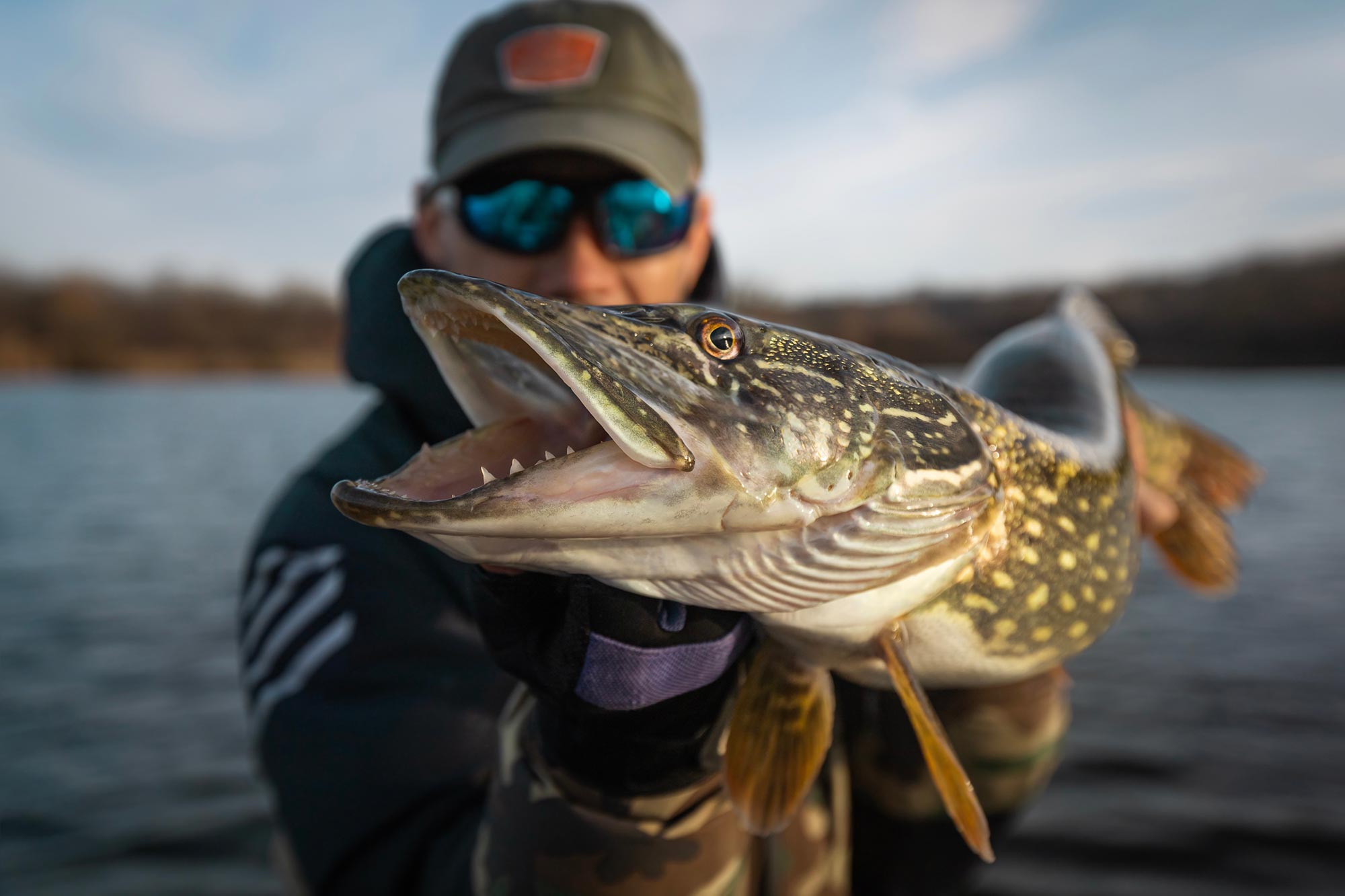
Warming river temperatures are causing invasive northern pike to eat more fish, threatening already declining salmon populations. The trend is expected to worsen with continued climate change, raising concerns about ecosystem impacts.
Rising temperatures in a river in south-central Alaska are fueling a growing appetite among invasive northern pike, raising concerns for native salmon and other fish species.
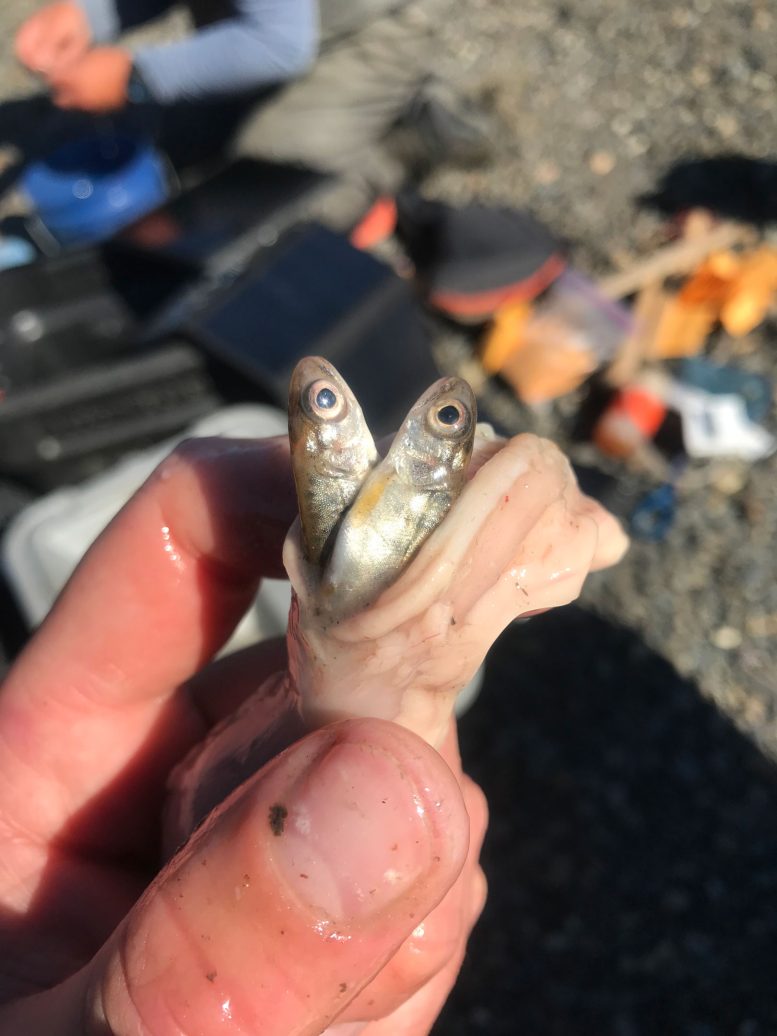
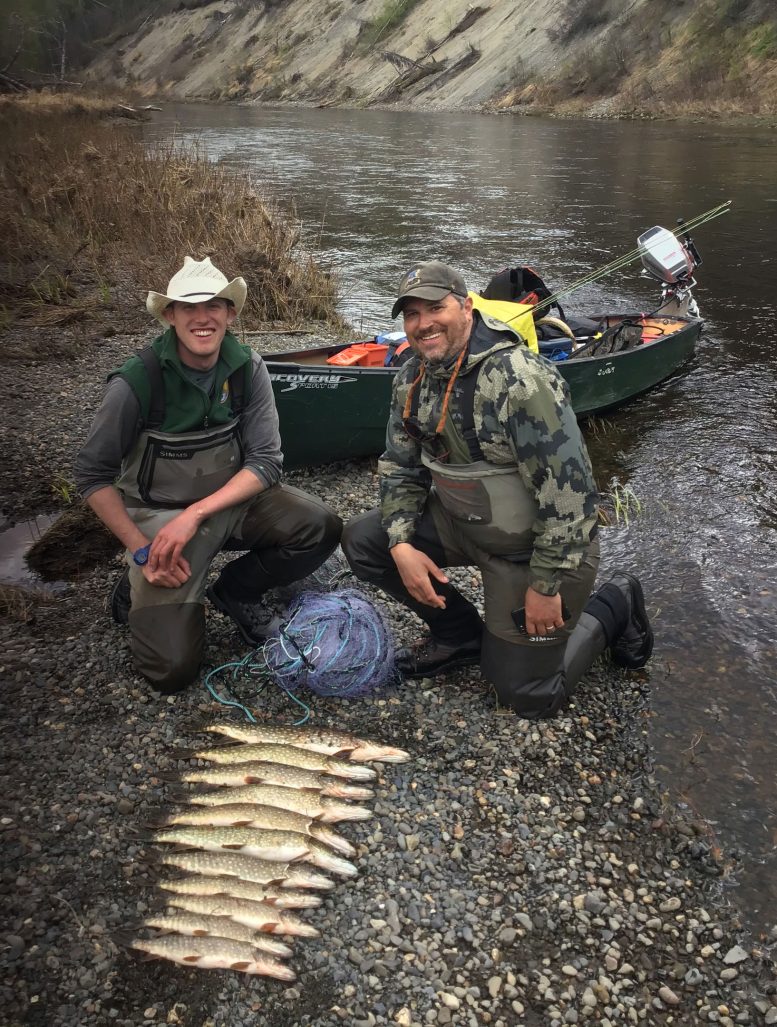
Researchers from the University of Alaska Fairbanks examined the stomach contents of northern pike collected by the U.S. Fish and Wildlife Service in the Deshka River during the summers of 2021 and 2022. They compared these findings with samples taken from pike about ten years earlier.
Across all age groups, pike were eating more fish as temperatures rose. The increase was especially dramatic among one-year-old pike, which showed a 63 percent jump in fish consumption.
The study was published&in the journal Biological Invasions.
Climate Change Increases Pike Consumption Rates
“We expect there will be significant warming in the future, and the amount of fish that pike consume is going to increase with it,” said Benjamin Rich, who led the study while pursuing his graduate degree at the UAF College of Fisheries and Ocean Sciences.
Average summer air temperatures in the study region have risen by about 3 degrees Fahrenheit (about 1.7 degrees Celsius) since 1919, including an increase of 0.8 degrees Fahrenheit (about 0.4 degrees Celsius) over the past decade. Water temperatures in the Deshka River, a tributary of the Susitna River, have also remained above historical averages recently, Rich said.
Future projections suggest this warming trend will continue through the 21st century. Models indicate that northern pike could increase their consumption by 6%-12% by the year 2100.
Ecological Impacts on Salmon and Freshwater Systems
The feeding patterns seen in the Deshka River match observations from other freshwater environments. Warmer water speeds up predator metabolism, which increases energy demand and drives more aggressive feeding behavior. This is especially troubling in south-central Alaska, where illegally introduced northern pike coexist with already declining populations of Chinook and coho salmon.
Interestingly, Chinook and coho appeared less frequently in pike stomachs compared to a decade earlier. This likely reflects the overall decline in salmon populations in the Deshka River.
Salmon are already stressed from rising temperatures, said UAF fisheries professor Peter Westley, making the added pressure from more active predators a serious concern.
Combined Threats: Invasive Species and Climate Change
“We know that invasive species and climate are individually associated with freshwater fish extinctions,” said Westley, a co-author of the study. “Those impacts may be working together into the future.”
Erik Schoen, a researcher at UAF’s International Arctic Research Center, emphasized the need to understand these complex interactions. Species like salmon are only one part of freshwater ecosystems affected by warming conditions.
“There’s been a lot of work done about how changes in temperature affect salmon directly. That’s really important, but salmon aren’t alone in these rivers,” said Schoen, who also contributed to the paper. “It’s also important to understand how these changes are affecting salmon indirectly through their predators, prey, and pathogens.”
Reference: “Warming causes modest increase in the consumptive demands of invasive Northern Pike (Esox lucius) in Alaska freshwaters” by Benjamin A. Rich, Adam Sepulveda, Daniel Rinella, Jeffrey Falke, Erik Schoen and Peter Westley, 13 February 2026, Biological Invasions.
DOI: 10.1007/s10530-025-03746-7
Never miss a breakthrough: Join the SciTechDaily newsletter.
Follow us on Google and Google News.
2 Comments
It is the nature of life to expand its territory, ever pushing its ecological boundaries. Do we even know how fish got established in isolated alpine lakes? Nature does what Nature does. Only humans judge the changes as being good or bad. To Nature, the changes are just differences in the ratios of the different extant species — until a new species evolves that completely changes the dynamics between predator and prey.
When does the Starfleet Prime Directive first apply in an evolving ecosystem? Changes made early on may preclude the development of intelligent life. Humans need to do what humans do. They are part of the dynamics. It is not a simple moral question solved by preventing change. Preventing change is intervention.
When did the northern pike first appear in Alaska’s waters? Are there any ideas on how it got there?
Or was it there “always” (for as long as we can tell) and is just hungrier now due to the warming?