
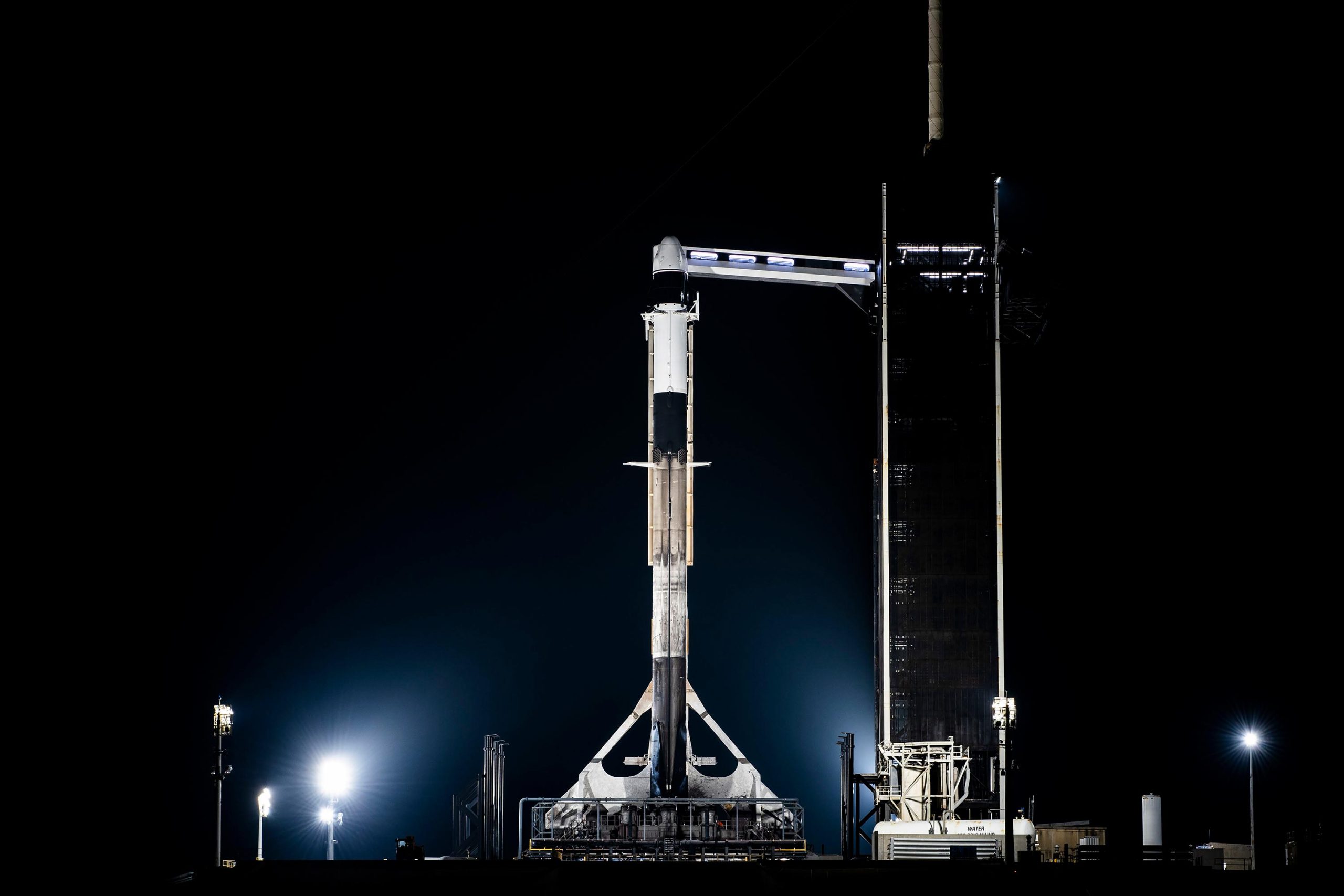
On November 4, NASA and SpaceX plan to launch a Dragon spacecraft carrying supplies and research to the ISS. This mission includes studies on solar wind, cosmic radiation, and microgravity’s effects on materials. The Dragon capsule will dock automatically and remain until December.
NASA and SpaceX are planning to launch the next mission to the International Space Station (ISS) at 9:29 p.m. EST on Monday, November 4. This will be SpaceX’s 31st commercial resupply mission for NASA, delivering essential science experiments, supplies, and equipment to the orbiting laboratory.
The mission’s cargo—nearly 6,000 pounds of it—will be carried by a SpaceX Dragon spacecraft atop a Falcon 9 rocket. The launch will take place from Launch Complex 39A at NASA’s Kennedy Space Center in Florida.
Live launch coverage will begin at 9:10 p.m. on NASA+ and NASA’s website. Learn how to watch NASA content through a variety of platforms, including social media.
NASA’s coverage of arrival will begin at 8:45 a.m. Tuesday, November 5, on NASA+ and NASA’s website. Dragon will dock autonomously to the forward port of the space station’s Harmony module.
In addition to food, supplies, and equipment for the crew, Dragon will deliver several new experiments, including the Coronal Diagnostic Experiment, to examine solar wind and how it forms. Dragon also delivers Antarctic moss to observe the combined effects of cosmic radiation and microgravity on plants. Other investigations aboard include a device to test cold welding of metals in microgravity, and an investigation that studies how space impacts different materials.
The Dragon spacecraft is scheduled to remain at the space station until December when it will depart the orbiting laboratory and return to Earth with research and cargo, splashing down off the coast of Florida.
NASA’s mission coverage is as follows (all times Eastern and subject to change based on real-time operations):
Monday, November 4:
3:30 p.m. – Prelaunch media teleconference (no earlier than one hour after completion of the Launch Readiness Review) with the following participants:
- Bill Spetch, operations and integration manager, NASA’s International Space Station Program
- Meghan Everett, deputy chief scientist, NASA’s International Space Station Program
- Jared Metter, director, flight reliability, SpaceX
Audio of the teleconference will stream live on the agency’s website.
9:10 p.m. – Launch coverage begins on NASA+ and the agency’s website.
9:29 p.m. – Launch
Tuesday, November 5:
8:45 a.m. – Arrival coverage begins on NASA+ and the agency’s website.
10:15 a.m. – Docking
NASA website launch coverage
Launch day coverage of the mission will be available on the NASA website. Coverage will include live streaming and blog updates beginning no earlier than 9:10 p.m., November 4, as the countdown milestones occur. On-demand streaming video on NASA+ and photos of the launch will be available shortly after liftoff. For questions about countdown coverage, contact the NASA Kennedy newsroom at 321-867-2468. Follow countdown coverage on our International Space Station blog for updates.
Attend Launch Virtually
Members of the public can register to attend this launch virtually. NASA’s virtual guest program for this mission also includes curated launch resources, notifications about related opportunities or changes, and a stamp for the NASA virtual guest passport following launch.
Never miss a breakthrough: Join the SciTechDaily newsletter.
Follow us on Google and Google News.
1 Comment
Thanks SpaceX. At least someone does their job.