
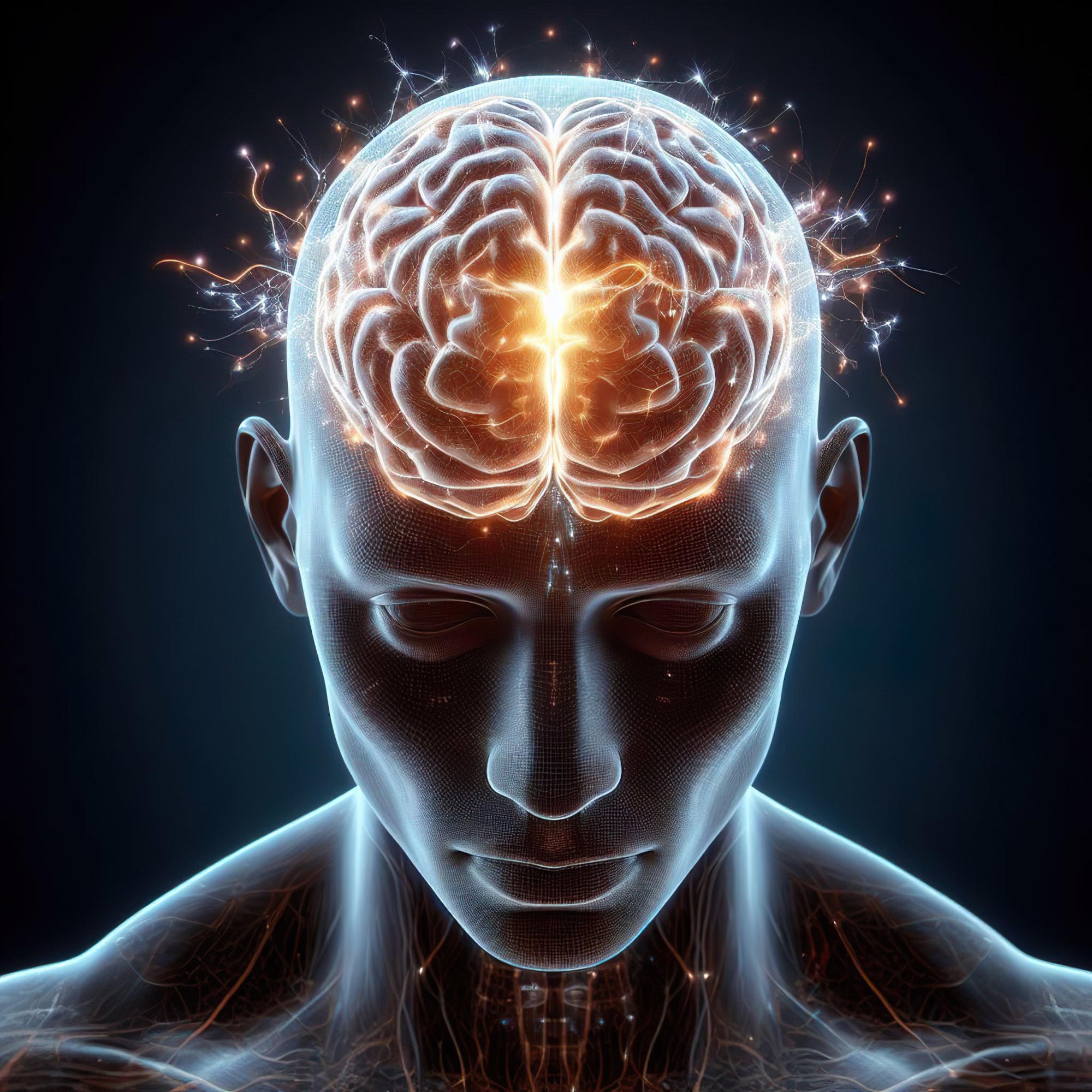
Magnetic stimulation therapy could aid patients who don’t respond to antidepressants. Scientists from the University of Helsinki and Stanford University are refining techniques that may lead to personalized treatments in the future.
Not every patient with depression benefits from medication. Recent research highlights potential improvements in an alternative approach, transcranial magnetic stimulation (TMS), for treating depression. TMS is distinct from electroconvulsive therapy (ECT), another treatment option for depression.
Researchers from the University of Helsinki and Stanford University investigated which factors in targeting TMS influence the brain’s electrical responses. They examined the behavior of a specific electrophysiological marker. This marker could potentially be used as a biomarker in the future to measure the efficacy of TMS treatment and thus help target and tailor the therapy.
“Magnetic stimulation is an effective treatment for patients whose depression is not alleviated by medication. However, currently, about half of these patients do not receive significant help from TMS. The biomarker we studied may help predict who will benefit from the therapy. In the future, it may also be possible to tailor the treatment individually,” says postdoctoral researcher Juha Gogulski from Stanford, University of Helsinki and Aalto University.
Individual optimization is worthwhile
The first study addressed an electrophysiological marker that describes cortical excitability and the sources of error affecting its measurement. Researchers studied healthy subjects to determine how magnetic stimulation targeted to the prefrontal cortex and the angle of the stimulation coil affected cortical excitability, that is, the responses measured on an electroencephalogram (EEG) immediately after the stimulation pulse.
“The results showed that targeting of the stimulation coil in different parts of the prefrontal cortex significantly affected the quality of electrical responses. Additionally, we found indications that individual optimization of the stimulation site and coil angle may further improve the quality of this metric,” says Gogulski.

The second study dealt with the reliability of the same electrophysiological marker in the prefrontal cortex. The study revealed that the most significant factor affecting reliability was the stimulation site.
“Before we can develop personalized TMS therapy, we must ensure that the excitability of the prefrontal cortex can be measured as accurately as possible in individual patients to be able to monitor how TMS treatment changes brain excitability. Determining reliability is also essential before this type of biomarker can be applied clinically,” says Gogulski.
Potential benefits are significant, but more research needed
Magnetic stimulation already helps some people with depression, but according to Gogulski, the effectiveness of TMS therapy varies between individuals. More precisely tailored treatment might improve outcomes.
“There are many possible factors in TMS therapy that could be used for individual tailoring, such as the stimulation site, the number and frequency of pulses, the intensity of the stimulation, and the number of treatment sessions. The side effects of TMS therapy are minimal, with the most common being a temporary, mild headache.”
According to Gogulski, what makes the new studies significant is that this detailed systematic mapping of the electrical responses of the prefrontal cortex and their reliability has not been done before. The researchers hope that in the future, the effectiveness of TMS therapy can be monitored by measuring the brain’s electrical responses during treatment. Based on these measurements, it might be possible to fine-tune the stimulation if necessary, even during the treatment.
“The results of both studies will be utilized in the future when designing individual brain stimulation therapies based on electrical biomarkers. However, more research is needed before new treatment methods can be implemented,” says Gogulski.
References: “Mapping cortical excitability in the human dorsolateral prefrontal cortex” by Juha Gogulski, Christopher C. Cline, Jessica M. Ross, Jade Truong, Manjima Sarkar, Sara Parmigiani and Corey J. Keller, 27 May 2024, Clinical Neurophysiology.
DOI: 10.1016/j.clinph.2024.05.008
“Reliability of the TMS-evoked potential in dorsolateral prefrontal cortex” by Juha Gogulski, Christopher C Cline, Jessica M Ross, Sara Parmigiani and Corey J Keller, 09 April 2024, Cerebral Cortex.
DOI: 10.1093/cercor/bhae130
Never miss a breakthrough: Join the SciTechDaily newsletter.
Follow us on Google and Google News.