
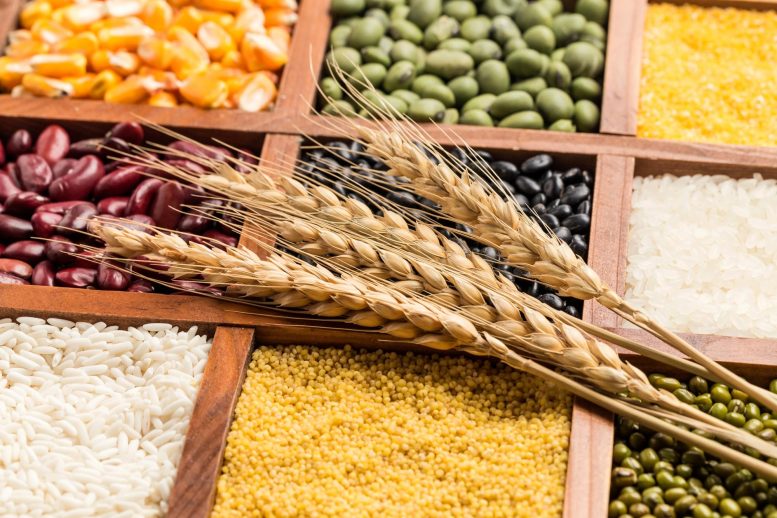
A new study found eating refined grains was associated with an increased risk of premature heart disease and whole grains consumption with reduced risk.
Researchers found a higher intake of refined grain was associated with an increased risk of premature coronary artery disease in an Iranian population, while eating whole grains was associated with reduced risk. The study was one of the first to examine the relationship between different types of grain intake and premature coronary artery disease in the Middle East. It will be presented at the American College of Cardiology (ACC) Middle East 2022 Together with the 13th Emirates Cardiac Society Congress, taking place in Dubai, United Arab Emirates, during October 7-9, 2022.
Previous epidemiological studies have reported an association between different types of grain intake with the risk of coronary artery disease, according to the researchers. In the current study, the association between refined and whole grains consumption and risk of premature coronary artery disease in an Iranian population was evaluated.
Premature coronary artery disease (PCAD) is an aggressive disease where atherosclerotic narrowing of coronary arteries occurs in males under 55 years old or in females under 65 years old. Early in the course of the disease, it is often asymptomatic, but PCAD may lead to chest pain (angina) and/or heart attack with the progressive development of narrowing (stenosis) or plaque rupture of the arterial wall. Smoking, high cholesterol, high blood pressure, and diabetes are among the risk factors for PCAD.
Socioeconomic and Cultural Factors Affecting Grain Consumption
“There are many factors involved in why people may be consuming more refined grains as opposed to whole grains and these cases differ between people, but some of the most important factors to consider include the economy and income, job, education, culture, age, and other similar factors,” said Mohammad Amin Khajavi Gaskarei, MD. He is the study’s lead author and a researcher at the Isfahan Cardiovascular Research Center and Cardiovascular Research Institute at Isfahan University of Medical Sciences in Isfahan, Iran. “A diet that includes consuming a high amount of unhealthy and refined grains can be considered similar to consuming a diet containing a lot of unhealthy sugars and oils.”
Whole grains are defined as containing the entire grain, while refined grains have been milled—ground into flour or meal. While refined grains have improved shelf life, they lose important nutrients in the process. According to the 2019 ACC/American Heart Association Guideline on the Primary Prevention of Cardiovascular Disease, the recommended diet emphasizes the intake of vegetables, whole grains, legumes, fruits, and fish to decrease heart disease risk factors.
2099 individuals with PCAD were recruited for the study from hospitals with catheterization labs in different cities and ethnicities throughout Iran who underwent coronary angiography (women aged ≤ 70 and men ≤ 60). In total, 1,168 patients with normal coronary arteries were included in the control group, while 1,369 patients with CAD with obstruction equal or above 75% in at least a single coronary artery or ≥ 50% in the left main coronary artery made up the case group.
Refined Grains Increase PCAD Risk, Whole Grains Reduce It
Participants were given a food frequency questionnaire for dietary assessments to evaluate dietary behaviors and evaluate the association between whole grain and refined grain intake and the risk of PCAD in individuals without a prior diagnosis of heart disease. After adjusting for confounders, a higher intake of refined grains was associated with an increased risk of PCAD, while whole grain intake was inversely related to a reduced risk of PCAD.
“As more studies demonstrate an increase in refined grains consumption globally, as well as the impact on overall health, it is important that we find ways to encourage and educate people on the benefits of whole grain consumption,” Khajavi Gaskarei said. “Tactics to consider include teaching improved dietary choices in schools and other public places in simple language the general population can understand, as well as on television programs and by continuing to do high-level research that is presented at medical conferences and published in medical journals. Clinicians must also be having these conversations with each other and their patients.”
Never miss a breakthrough: Join the SciTechDaily newsletter.
Follow us on Google and Google News.