
Close Menu
    Facebook X (Twitter) Instagram
    SciTechDaily
    • Biology
    • Chemistry
    • Earth
    • Health
    • Physics
    • Science
    • Space
    • Technology
    Facebook X (Twitter) Pinterest YouTube RSS
    SciTechDaily
    Home»Biology»Why Are Blueberries Blue? Scientists Have Finally Discovered the Reason
    Biology

    Why Are Blueberries Blue? Scientists Have Finally Discovered the Reason

    By University of BristolFebruary 19, 2024No Comments3 Mins Read
    Facebook Twitter Pinterest Telegram LinkedIn WhatsApp Email Reddit
    Share
    Facebook Twitter LinkedIn Pinterest Telegram Email Reddit
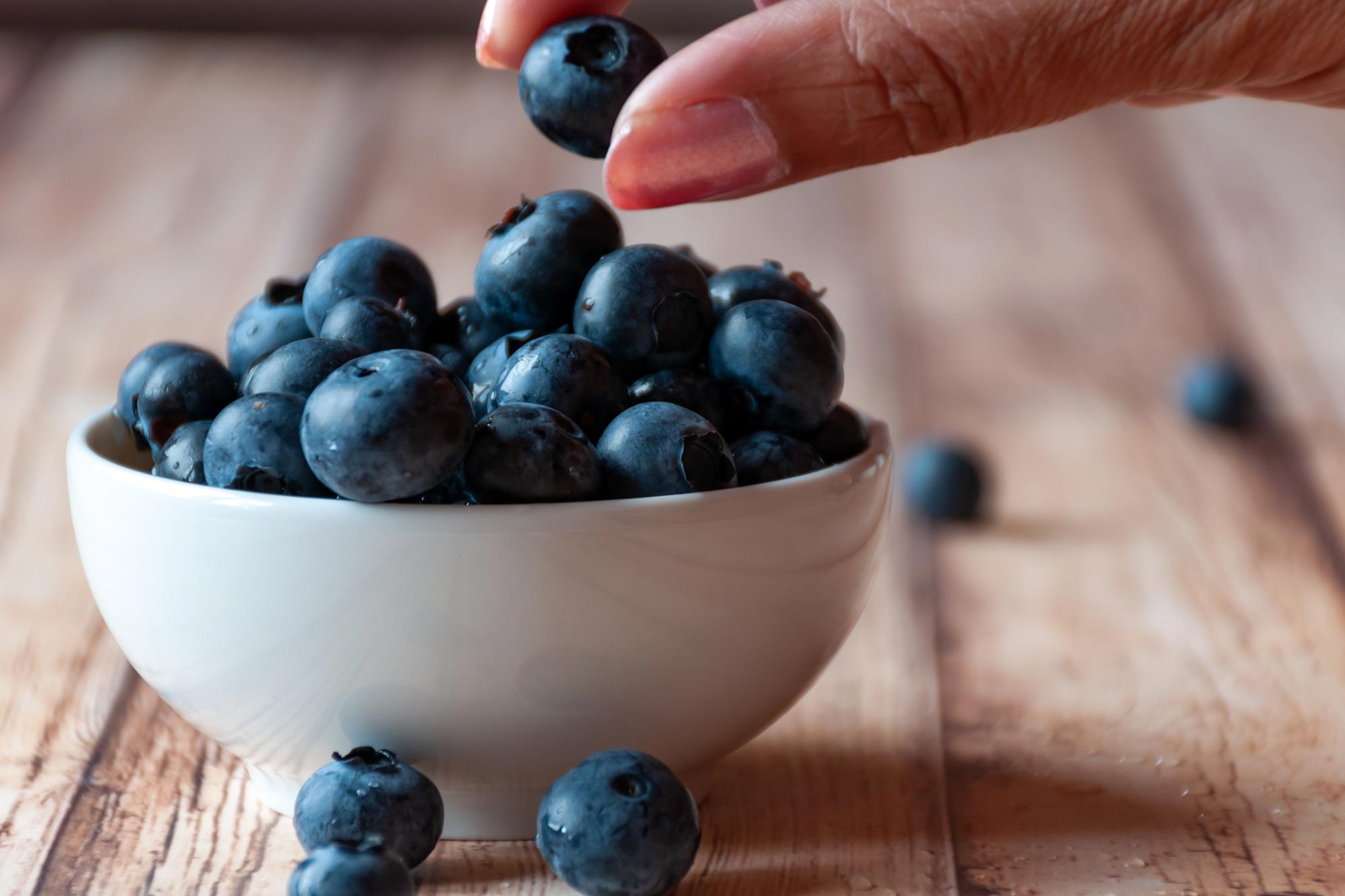
    Eating Blueberries
    The blue color of blueberries comes from tiny structures in their wax coating, not from pigments in the fruit skin, according to a University of Bristol study. This discovery opens up possibilities for sustainable and biocompatible colorants and coatings inspired by nature.

    Researchers at the University of Bristol have discovered that tiny external structures within the wax coating of blueberries are responsible for their blue color.

    This applies to lots of fruits that are the same color including damsons, sloes, and juniper berries.

    In the study, published today in Science Advances, researchers show why blueberries are blue despite the dark red color of the pigments in the fruit skin. Their blue color is instead provided by a layer of wax that surrounds the fruit which is made up of miniature structures that scatter blue and UV light. This gives blueberries their blue appearance to humans and blue-UV to birds. The chromatic blue-UV reflectance arises from the interaction of the randomly arranged crystal structures of the epicuticular wax with light.

    Unveiling Nature’s Color Tricks

    Rox Middleton, Research Fellow at Bristol’s School of Biological Sciences, explained: “The blue of blueberries can’t be ‘extracted’ by squishing – because it isn’t located in the pigmented juice that can be squeezed from the fruit. That was why we knew that there must be something strange about the color.

    “So we removed the wax and re-crystallized it on a card and in doing so we were able to create a brand new blue-UV coating.”

    The ultra-thin colorant is around two microns thick, and although less reflective, it’s visibly blue and reflects UV well, possibly paving the way for new colorant methods.
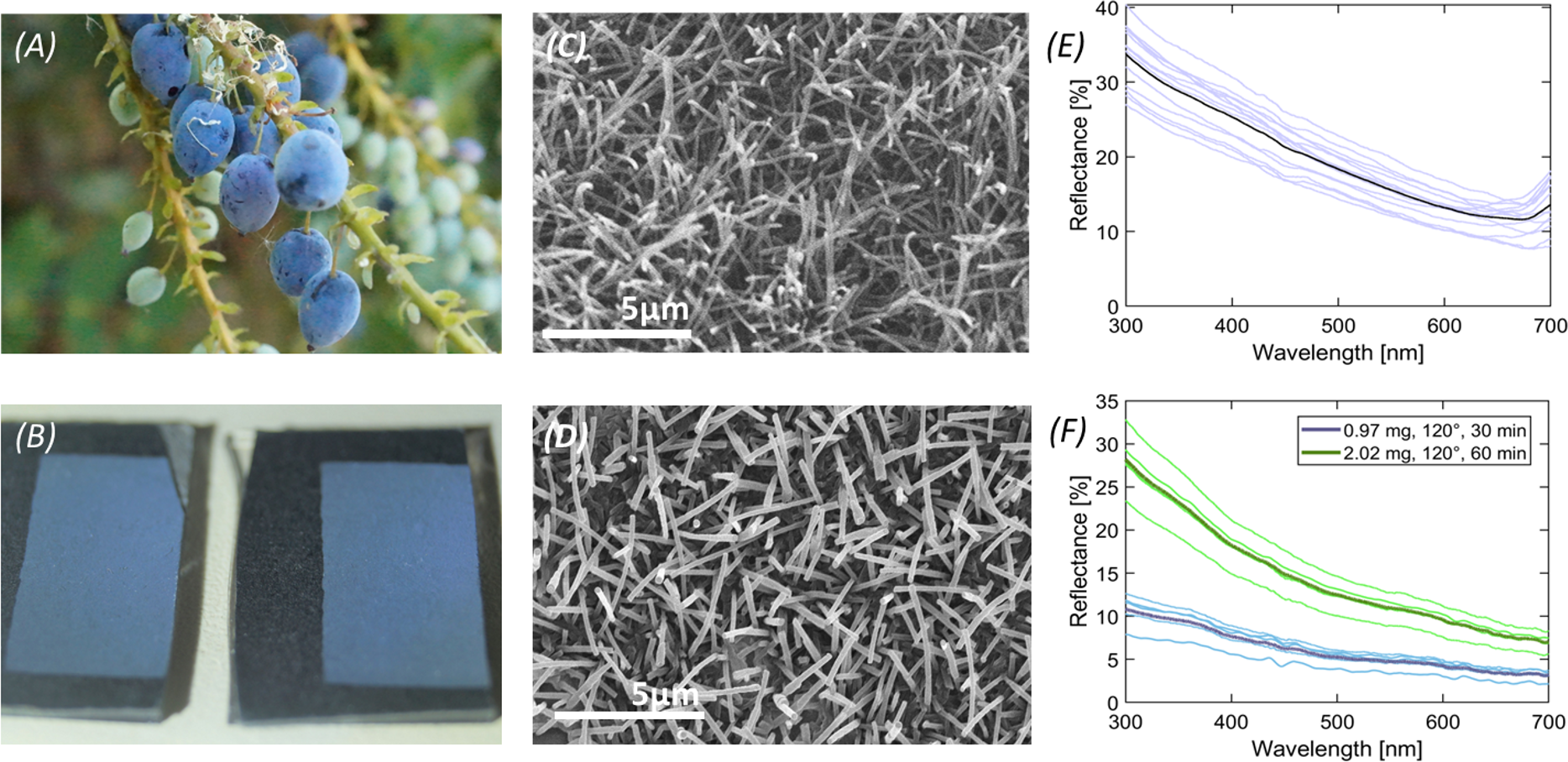
    Diagram Showing How Wax Structure Reflect Light
    Diagram showing how wax structure reflect light. Credit: Rox Middleton

    “It shows that nature has evolved to use a really neat trick, an ultrathin layer for an important colorant,” added Rox.

    Most plants are coated in a thin layer of wax which has multiple functions, many of which scientists still don’t understand. They know that it can be very effective as a hydrophobic, self-cleaning coating, but it’s only now they realize how important the structure is for visible coloration.

    Potential Applications and Future Research

    Now the team plans to look at easier ways of recreating the coating and applying it. This could lead to a more sustainable, biocompatible, and even edible UV and blue-reflective paint. Furthermore, these coatings could have the same multiple functions as natural biological ones that protect plants.

    Rox added: “It was really interesting to find that there was an unknown coloration mechanism right under our noses, on popular fruits that we grow and eat all the time.

    “It was even more exciting to be able to reproduce that color by harvesting the wax to make a new blue coating that no one’s seen before.

    “Building all that functionality of this natural wax into artificially engineered materials is the dream!”

    Reference: “Self-assembled, disordered structural color from fruit wax bloom” by Rox Middleton, Sverre Aarseth Tunstad, Andre Knapp, Sandra Winters, Susan McCallum and Heather Whitney, 7 February 2024, Science Advances.
    DOI: 10.1126/sciadv.adk4219

    Never miss a breakthrough: Join the SciTechDaily newsletter.
    Follow us on Google and Google News.

    Plants Popular University of Bristol
    Share. Facebook Twitter Pinterest LinkedIn Email Reddit

    Related Articles

    Classical Evolutionary Story Overturned: Our Mud-Slurping Chinless Ancestors Had All the Moves

    What Makes Memories So Detailed and Enduring? Newly Discovered Mechanism of Learning

    The Mystery of Why Zebras Have Their Stripes Has Baffled Scientists – Now a Dazzling Answer

    How Human Sperm Fooled Scientists for 350 Years

    Plant Protein Curbs the Reproduction of Colon Cancer Tumor Cells

    Scientists Link Dinosaur Expansion to the Carnian Pluvial Episode

    Insight on the Evolution of Cocaine Biosynthesis

    Increased Number of Plant Species Responding to Global Warming

    Mesodinium Chamaeleon Is A Unique Life Form That is Half Plant Half Animal

    Leave A Reply Cancel Reply

    • Facebook
    • Twitter
    • Pinterest
    • YouTube

    Don't Miss a Discovery

    Subscribe for the Latest in Science & Tech!

    Trending News

    Largest-Ever Study Finds Medicinal Cannabis Ineffective for Anxiety, Depression, PTSD

    250-Million-Year-Old Egg Solves One of Evolution’s Biggest Mysteries

    Living With Roommates Might Be Changing Your Gut Microbiome Without You Knowing

    Century-Old Cleaning Chemical Linked to 500% Increased Risk of Parkinson’s Disease

    What if Your Memories Never Happened? Physicists Take a New Look at the Boltzmann Brain Paradox

    One of the Universe’s Largest Stars May Be Getting Ready To Explode

    Scientists Discover Enzyme That Could Supercharge Ozempic-Like Weight Loss Drugs

    Popular Sweetener Linked to DNA Damage – “It’s Something You Should Not Be Eating”

    Follow SciTechDaily
    • Facebook
    • Twitter
    • YouTube
    • Pinterest
    • Newsletter
    • RSS
    SciTech News
    • Biology News
    • Chemistry News
    • Earth News
    • Health News
    • Physics News
    • Science News
    • Space News
    • Technology News
    Recent Posts
    • Scientists Reveal Eating Fruits and Vegetables May Increase Your Risk of Lung Cancer
    • AI Reveals Explosive Growth of Floating Algae Across the World’s Oceans
    • 5.5 Million Bees Discovered Living Beneath a New York Cemetery
    • Scientists Reverse Brain Aging With Simple Nasal Spray
    • The Surprising Diet Rule That Makes “Good” Parasites Work
    Copyright © 1998 - 2026 SciTechDaily. All Rights Reserved.
    • Science News
    • About
    • Contact
    • Editorial Board
    • Privacy Policy
    • Terms of Use

    Type above and press Enter to search. Press Esc to cancel.