
Close Menu
    Facebook X (Twitter) Instagram
    SciTechDaily
    • Biology
    • Chemistry
    • Earth
    • Health
    • Physics
    • Science
    • Space
    • Technology
    Facebook X (Twitter) Pinterest YouTube RSS
    SciTechDaily
    Home»Biology»Why Is Poop Brown? A Doctor Explains
    Biology

    Why Is Poop Brown? A Doctor Explains

    By Hannibal Person, University of WashingtonDecember 17, 20211 Comment3 Mins Read
    Facebook Twitter Pinterest Telegram LinkedIn WhatsApp Email Reddit
    Share
    Facebook Twitter LinkedIn Pinterest Telegram Email Reddit
    Poop Emoji
    Brown poop can indicate good health.

    Regularly checking poop can help spot signs of digestive trouble or disease. Color and texture changes can result from diet or digestion speed, but persistent abnormalities may signal illness.

    Three-quarters of your poop consists of water and most of the rest is food your body didn’t digest.

    Once it exits the digestive system, poop is usually a shade of brown, regardless of the appearance of whatever you’ve had to eat and drink, because it contains a chemical your body makes.

    That chemical, stercobilin, is a product of the breakdown of hemoglobin – an iron-containing protein in red blood cells that allows oxygen to be transported around the body. Without sercobilin, your poop would probably look pale or even white. That’s because most of the chemicals that give food many different colors are completely broken down in the digestive process.

    Red blood cells live for only around 120 days before they are eventually replaced. As the hemoglobin they contain breaks down, a yellow protein called bilirubin gets produced.

    Bilirubin eventually makes its way to the liver through the circulatory system and is modified and then secreted into the small intestine by the liver in the form of bile. Bile, a yellow-green fluid, helps your body digest and absorb fats. While your body does absorb and reuse some bilirubin as the food you’re digesting moves through the small intestine, the rest of that bilirubin becomes stercobilin – which your body must dispose of.

    And that stercobilin gets combined with the stuff you’re digesting, making your poop brown by the time it exits your body.
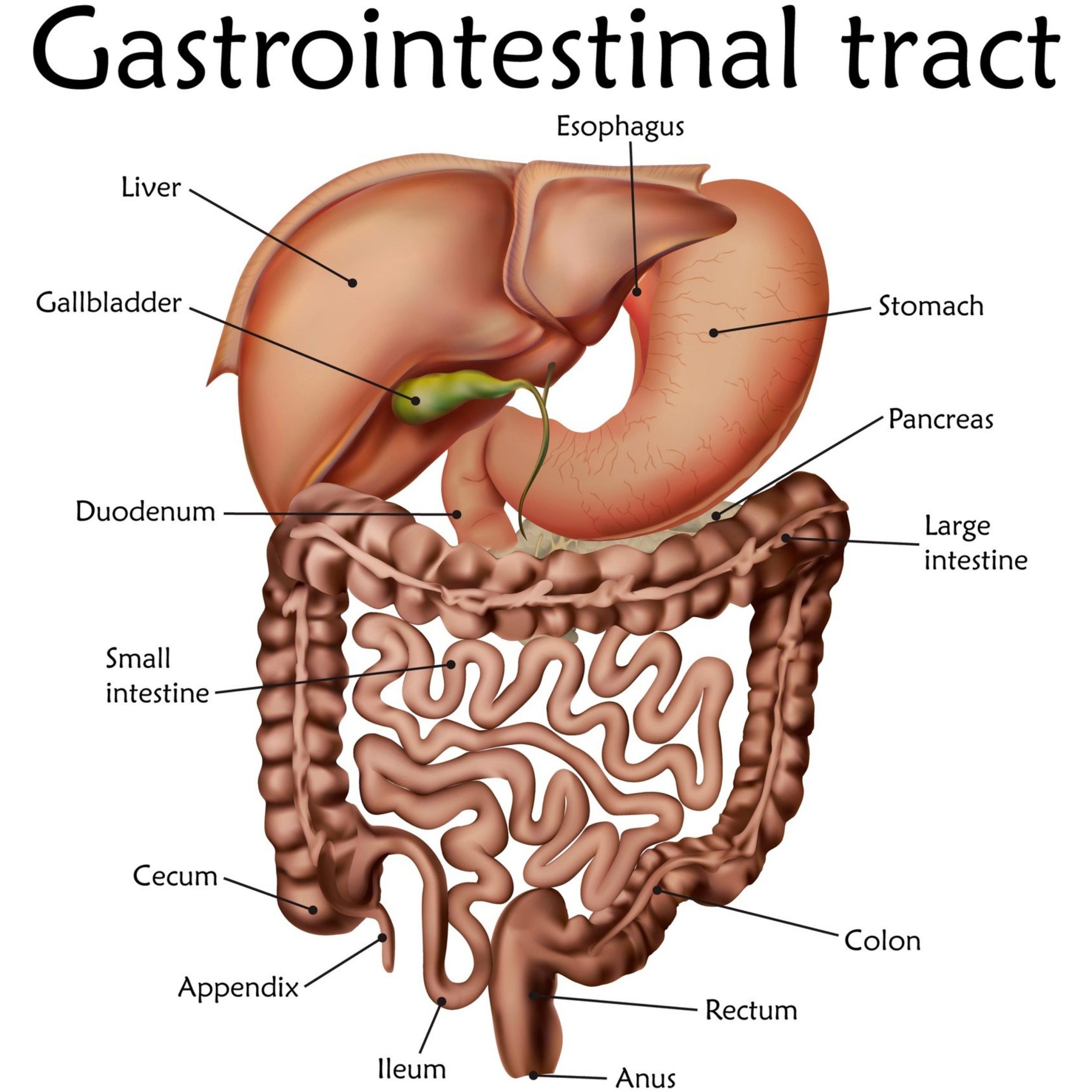
    Gut Digestive Gastrointestinal Tract Illustration
    What you ingest travels a long way before what’s left makes an exit.

    Other Colors

    Poop, of course, isn’t always brown. It can be a different color, depending on what you eat and how fast the stuff moves through your system.

    I’m a doctor who regularly treats children with digestive problems. Some of them have diarrhea – that is, liquid poop. It can be green or yellow because it contains a lot of bile.

    When poop moves too quickly through your body, the bilirubin in the bile does not have enough time to be broken down to form stercobilin, which would make it browner.

    If you eat a lot of something, especially if it’s hard for your body to quickly digest, your poop may look funny. For some people, eating beets leads to red poop or reddish urine.

    Your body can’t possibly absorb everything that you eat and drink. Some foods, like corn kernels, can’t be fully digested by people. They may even come out in poop looking the same size and color as when you ate them.

    Even though it may seem gross, I recommend that you regularly peek at your poop before flushing to make sure it’s brown and squishy. If most of it is an unusual color, such as black or white, it could be a sign you need to see a doctor. The same goes for having poop that is too hard or too runny. If your poop is red and you haven’t been eating beets, that might also be cause for concern.

    Written by Hannibal Person, Assistant Professor of Gastroenterology and Hepatology, School of Medicine, University of Washington.

    This article was first published in The Conversation.The Conversation

    Never miss a breakthrough: Join the SciTechDaily newsletter.
    Follow us on Google and Google News.

    Digestion Gastroenterology The Conversation University of Washington
    Share. Facebook Twitter Pinterest LinkedIn Email Reddit

    Related Articles

    Your IBS May Be a Brain Problem – And Researchers Have the Answer

    Jaw Wars: How Bats Evolved a Diverse Arsenal of Teeth for Survival

    4 Million Dead: “Warm Blob” Disaster Causes Catastrophic Loss

    How Bad Bacteria Hijack Your Gut and Trigger Painful Contractions

    Diabetes Breakthrough: New Treatment Eliminates Insulin for 86% of Patients

    Detailed Wiring Diagram of Fruit Fly Muscles Reveals Unexpected Complexity

    Umbrella Toxins: A Groundbreaking Class of Antimicrobials Found in Soil Bacteria

    How Talking to Your Baby in a High-Pitched Voice Boosts Their Language Skills

    Viral Vampires: How Predatory Viruses Unlock Secrets to New Antiviral Treatments

    1 Comment

    1. Thurman Tomei on May 29, 2023 6:32 am

      welcome, excellent blog on lardy loss. equivalent helped.

      Reply
    Leave A Reply Cancel Reply

    • Facebook
    • Twitter
    • Pinterest
    • YouTube

    Don't Miss a Discovery

    Subscribe for the Latest in Science & Tech!

    Trending News

    Dark Matter May Be Leaving a Signal in Earth’s Atmosphere

    Scientists Discover a 300-Million-Year-Old Geological Time Capsule Inside Fossilized Wood

    Oral Weight Loss Pill Helps Patients Lose up to 12% of Body Weight

    Scientists Find Two New Ways To Break Down “Forever Chemicals” in Water

    Pesticide Exposure May Carry a Serious Neurological Risk Years Later

    Ozempic Could Fight Addiction Too – Scientists Finally Know How

    Two Mysterious ‘Ghost’ Ancestors Are Hiding in Our DNA

    This Widely Used Plastic Could Be Harming Your Liver

    Follow SciTechDaily
    • Facebook
    • Twitter
    • YouTube
    • Pinterest
    • Newsletter
    • RSS
    SciTech News
    • Biology News
    • Chemistry News
    • Earth News
    • Health News
    • Physics News
    • Science News
    • Space News
    • Technology News
    Recent Posts
    • Honeybee Queens May Pass Toxic Chemicals to the Next Generation
    • This Common Amino Acid May Help the Body Fight Cancer and Viruses
    • Schizophrenia’s Brain Damage May Start in One Key Region
    • A Simple Treatment Could Save Extremely Premature Babies From Blindness
    • Low-Protein “Longevity Diet” Linked to Fat Loss, Muscle Preservation, and Healthy Aging
    Copyright © 1998 - 2026 SciTechDaily. All Rights Reserved.
    • Science News
    • About
    • Contact
    • Editorial Board
    • Privacy Policy
    • Terms of Use

    Type above and press Enter to search. Press Esc to cancel.