
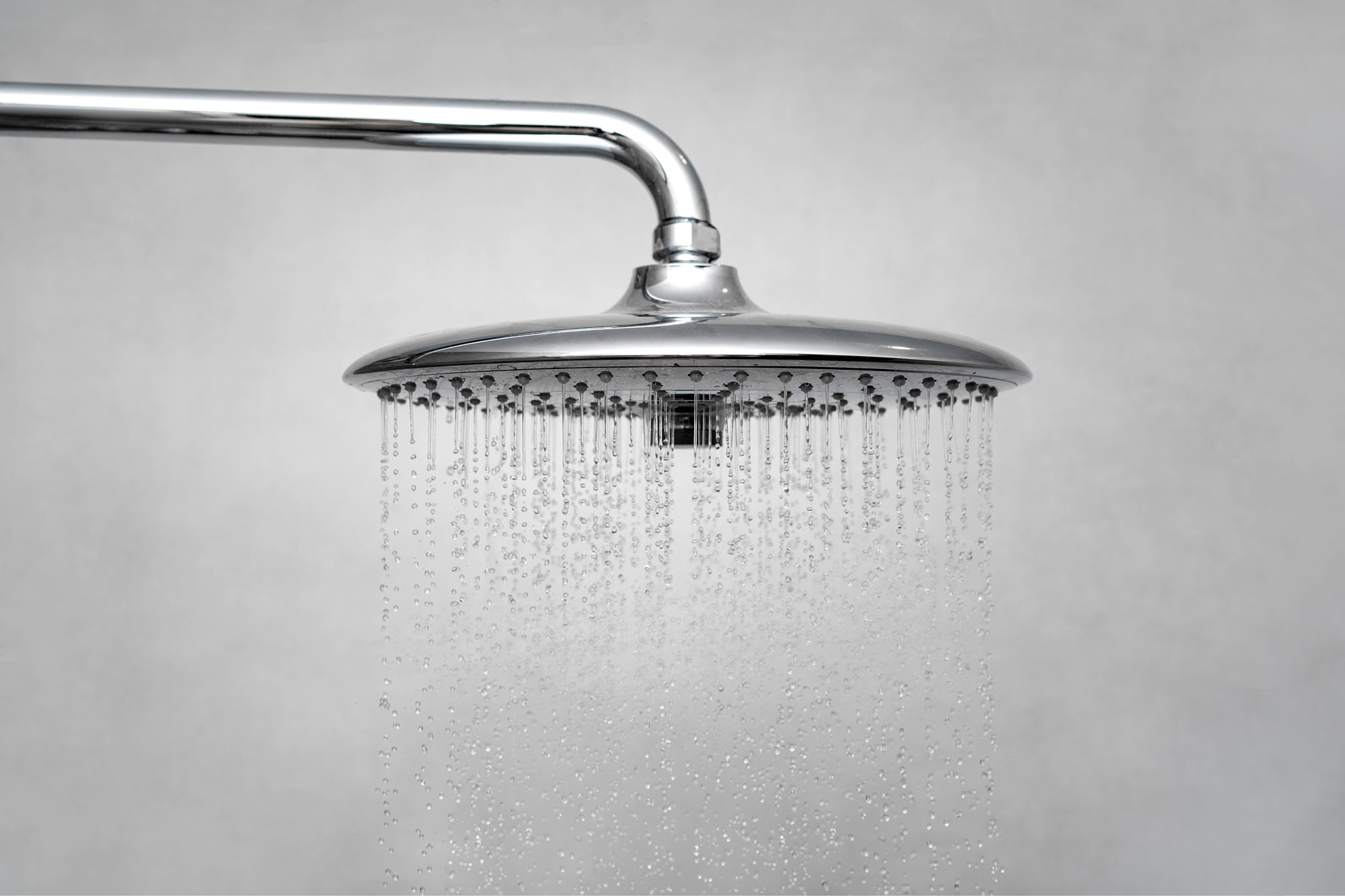
Household habits drive water use, and changing them through behavioral insights and real-time feedback is key to reducing shortages.
Changing everyday habits, such as how people shower, report leaks, and flush toilets, could help reduce England’s projected daily water shortfall of five billion liters (about 1.32 billion gallons), according to a new University of Surrey-led report. However, the study stresses that success depends on building a stronger evidence base within the water sector.
The report draws on contributions from more than 100 professionals across 60 organizations in the UK water sector, collected between October 2024 and April 2025. Researchers from Swansea University, the University of Bristol, and the University of Portsmouth also contributed.
People in England currently use about 135 to 150 liters (roughly 36 to 40 gallons) of water per person each day. Smart meters, which are central to the government’s plan to reduce demand, are expected to save around 450 million liters (about 119 million gallons) by 2050. The Environment Agency estimates that 60 percent of the projected water deficit must be addressed through reduced demand, which researchers say will require changes in household behavior.
Limits of Awareness Campaigns and Habitual Water Use
Professor Benjamin Gardner, lead author of the report and director of the Habit Application and Theory group at the University of Surrey, said:
“The water sector knows that behavior change matters, but it needs to do more to connect with what we know around how people use water. Most initiatives so far have focused on increasing motivation to save water. That approach has its limits – particularly when the behaviors in question are habitual. People do not consciously decide how long to shower, for example. They simply do it, the same way, every day. Telling people how many liters of water they are using is unlikely to change that.”
Experts identified fixing or reporting household leaks, showering, and toilet flushing as the top priorities for behavior change. Showers typically use between six and 15 liters per minute (about 1.6 to 4 gallons per minute), and roughly one quarter of drinking water used in UK homes goes toward flushing toilets. Four of the six highest-priority behaviors take place in the bathroom.
The report highlights a key mismatch. While professionals see showering and toilet use as critical targets, they place less emphasis on understanding why people perform these actions. The authors argue this approach is flawed. Effective behavior change depends on identifying what drives actions before trying to alter them. Many water-use habits are automatic and continue even when people intend to change, because routine, distraction, and fatigue limit conscious decisions.
Real-Time Interventions and Sector-Wide Challenges
Dr Pablo Pereira-Doel, co-author of the study and director of the Human Insights Lab at the University of Surrey, said:
“We know from our own research that real-time feedback during a shower, delivered at the moment the behavior is happening, can meaningfully reduce how long people spend under the water. That kind of intervention works precisely because it does not rely on people remembering to act differently. It meets them in the moment. What this report shows is that the sector needs to invest in understanding those moments far more systematically, across all the behaviors that matter, before it can design solutions that will actually stick.”
The study also points to a broader issue. Many water companies have carried out relevant behavior change research but do not share their findings, often for commercial reasons. The authors suggest that standardized behavioral science tools could allow companies to exchange insights without revealing sensitive information.
The report makes five recommendations:
- Water companies should collaborate directly with behavioral scientists
- The sector should invest in understanding how people use water to design more effective interventions
- Efforts to reduce water use should focus on breaking habits rather than only raising awareness
- Organizations should share knowledge about water-saving strategies more openly
- Behavior change should be one part of a broader approach that also includes structural and technological solutions
The report is published by the University of Surrey’s Institute for Sustainability and is available open access at https://tinyurl.com/surreywaterefficiencyarcreport.
Never miss a breakthrough: Join the SciTechDaily newsletter.
Follow us on Google and Google News.
3 Comments
So UK could spend 1.35 billion gallon while our water system in South Sudan 🇸🇸 could not give 20 gallons a day🤔🤭
“Why Your Daily Shower COULD Be Worsening the Water Crisis”
There’s that pesky, low-information content word being used reflexively again, without thought about what it really means. Your daily shower is either worsening the water crisis or it isn’t. Which is it? OK, maybe sometimes it is and other times it isn’t. What is the frequency or amount of misuse? What is the net result? Save the use of the word “could” for the lawyers. They actually have a need for ambiguity.
Don’t shower every day, it’s better for your skin’s microbiome. Don’t keep the water running all of the time in the shower, off when soaping / shampooing.
There is also no need to flush the toilet after every use. In the word of the old Australian saying “if it’s yellow let it mellow, if it’s brown flush it down.
These two small things save a lot of water.