
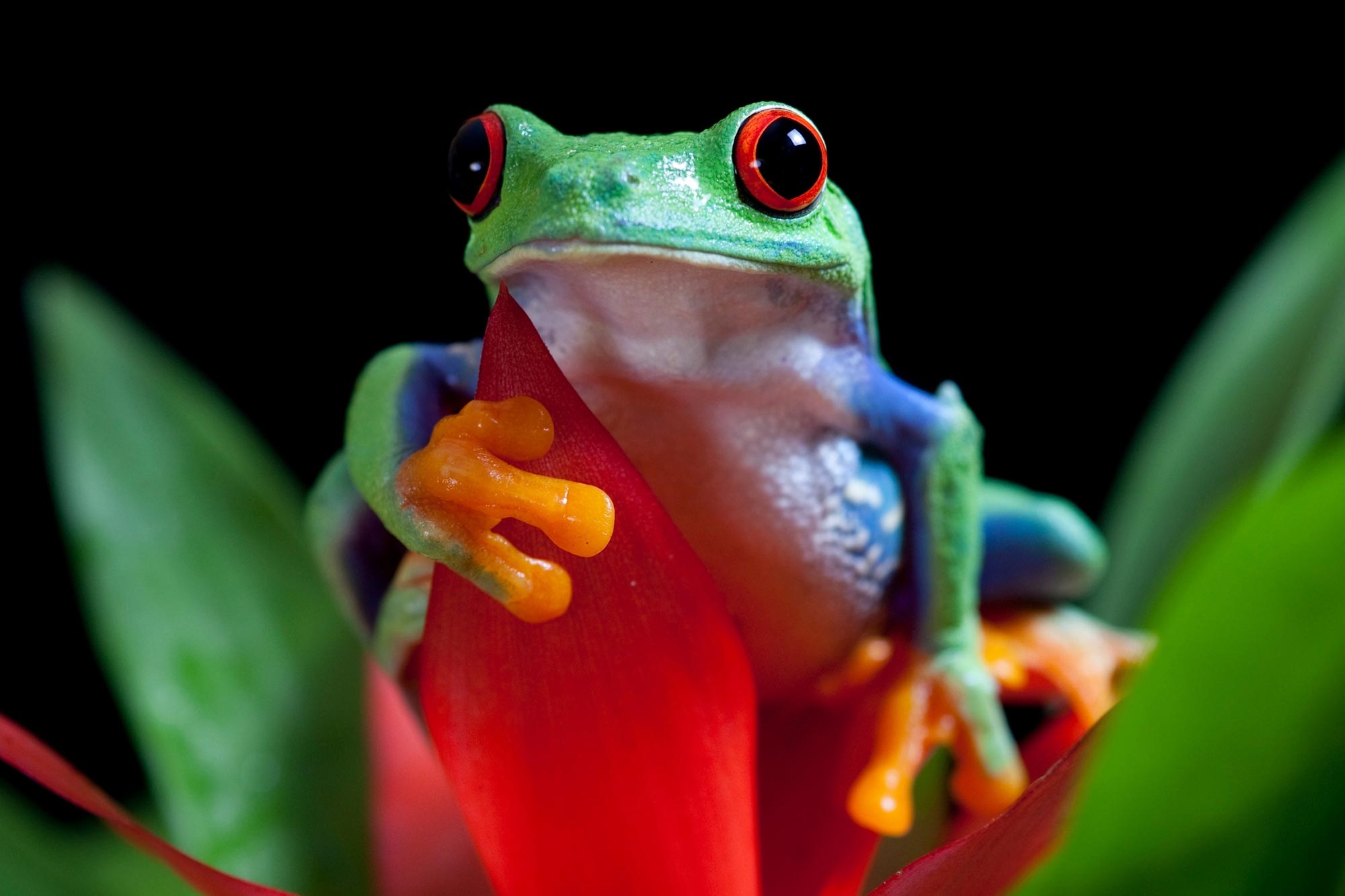
Biobanking genetic material offers a cost-effective way to conserve more species, restore diversity, and reduce reliance on traditional captive breeding—especially critical for threatened amphibians and non-charismatic species.
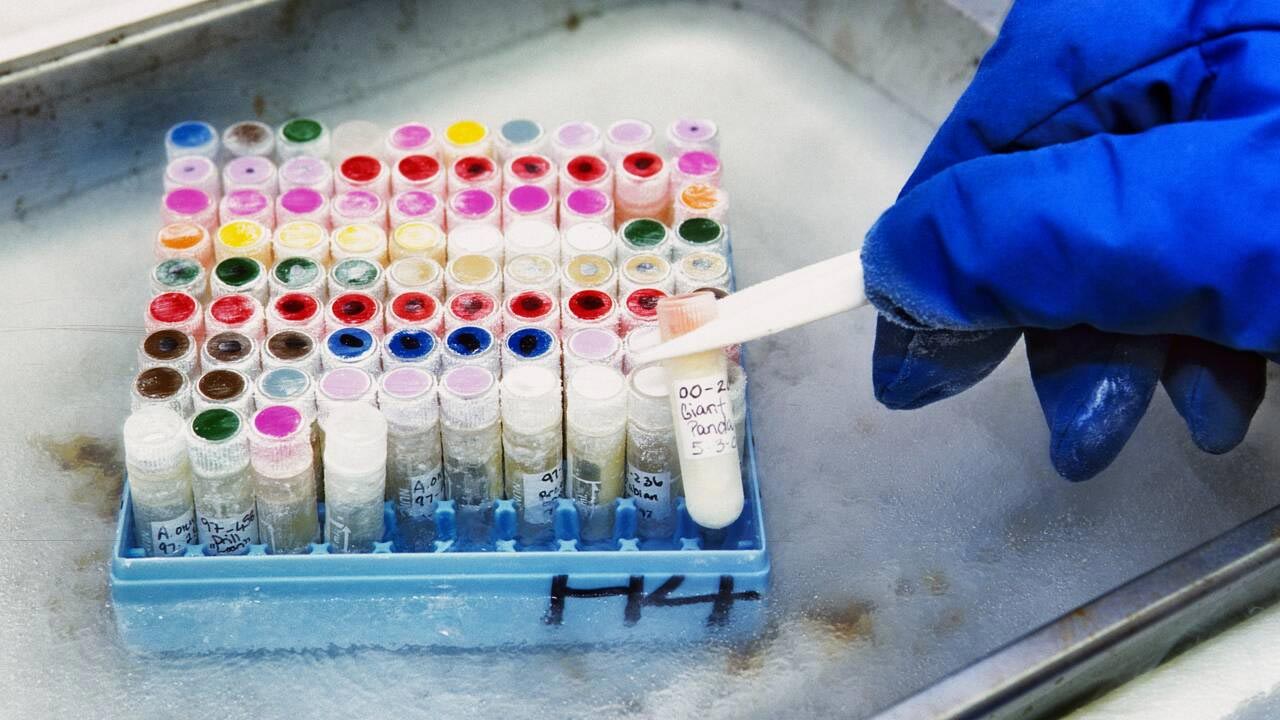
In a south-eastern suburb in Melbourne, there’s a zoo. It has no visitors, and there are no animals anywhere inside it. Rather, the Australian Frozen Zoo houses living cells and genetic material from Australian native and rare and exotic species. This place, and others like it, could be a big part of the future of conservation. Department of Biological Sciences’ Simon Clulow and his colleagues make the case for ‘biobanking’ in a recent piece in Conservation Letters.
Clulow is keen to stress that this doesn’t mean getting rid of conventional zoos or captive breeding programs. “Captive breeding has had some wonderful successes, and there will always be a huge place for it,” he says.
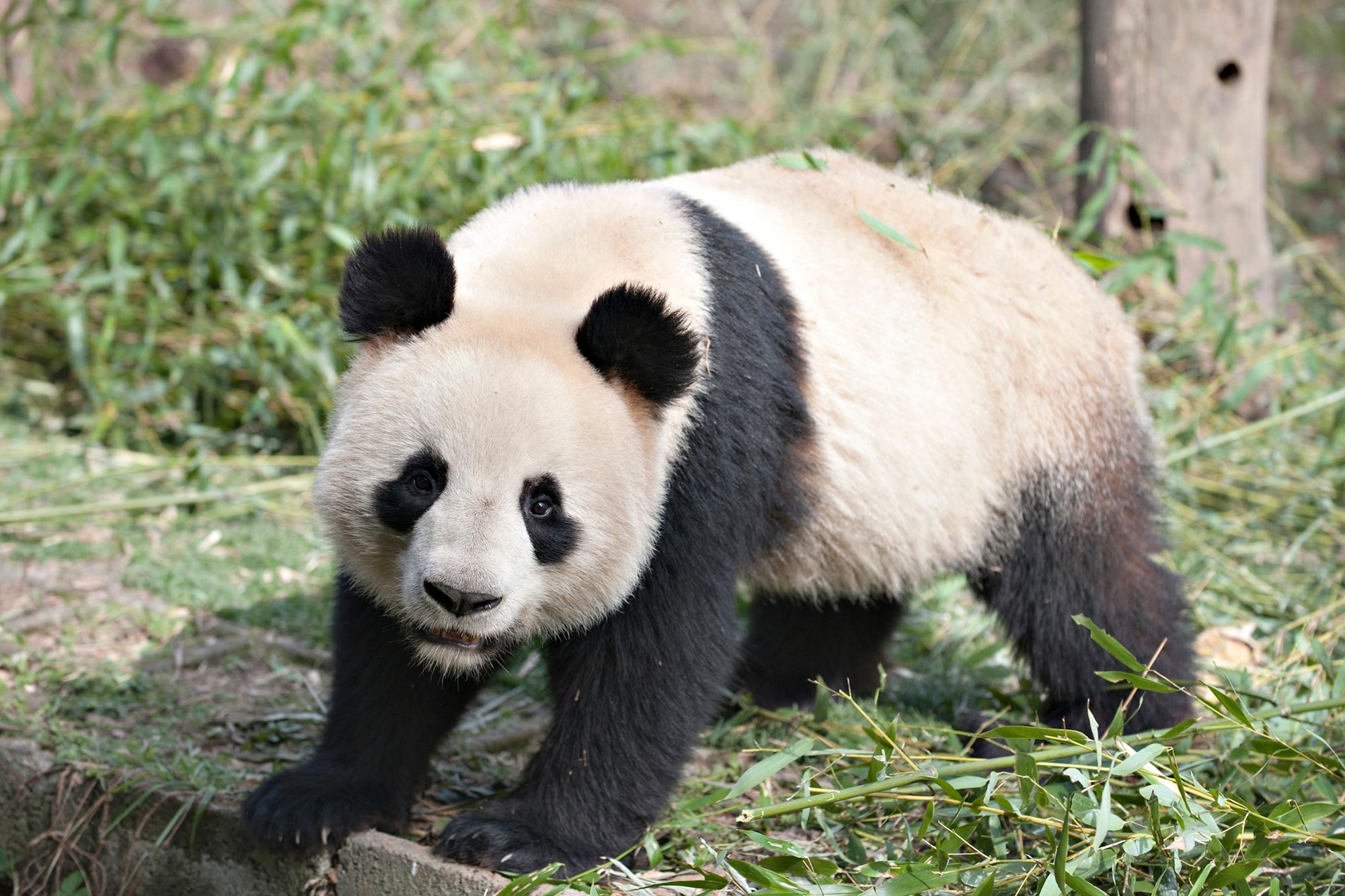
PhD student and lead author Lachlan Howell agrees. “It was captive breeding that brought the giant panda back from the brink of extinction caused by a combination of habitat loss and poaching. It Is captive breeding that is likely to save the Tasmanian devil from being wiped out by devil facial tumor disease.”
Rather, the researchers want to create awareness of the “massive potential” to save funding, reduce the number of captive animals required in breeding programs and thus conserve more species with existing resources, by incorporating biobanked sperm into captive populations using assisted reproductive technologies.
“Using frozen zoos could provide a 25-fold increase in the number of species that could be conserved. This would be a staggering conservation achievement.”
Clulow, who has considerable experience of preserving viable frozen genetic material, says, “Using frozen zoos could provide a 25-fold increase in the number of species that could be conserved. This would be a staggering conservation achievement, and we think it can be done.”
As it stands, there is limited money for conservation programs, meaning that many species needing captive breeding to survive will miss out, the researchers say.
The Hard Yards of Captive Breeding
Captive breeding is expensive. Starting a captive breeding program costs hundreds of thousands, even millions of dollars. Maintaining the program will cost, on average, more than $200,000 a year for a single species. Many programs are open-ended and will have to continue for years or even decades to achieve their objectives.
Those species that are lucky enough to be selected for captive breeding almost immediately face another hurdle – loss of genetic diversity. After only one generation of captive breeding, genes are already starting to be lost, the researchers say.
In just a few generations, animals which are the most likely to thrive and breed in captivity start to show behavioral signs of domestication and adaptation to captivity. Inbreeding depression can amplify undesirable traits and reduce the population’s ability to survive and reproduce.
This is unavoidable given the small colonies typical of some captive programs. The loss of wild genes affects the overall fitness of captive bred animals for release back to the wild.
The researchers point out that biobanking opens the possibility of conserving not just the so-called ‘charismatic megafauna’, but also the other species that underpin their ecosystems.
The high costs of captive breeding means that conservationists need to ‘pick winners’. They can’t assist many species that are unlikely to survive without captive breeding. Amphibians, Clulow’s specialty, are a case in point.
“Disease and habitat loss is decimating wild amphibian populations globally. There are over 900 amphibian species that need captive populations. Over 200 of them need it urgently to avoid extinction,” he explains.
With hundreds of species in need, global capacity and available resources can provide for captive populations of no more than 50 species of amphibians.
Unless some members of those species were captive, not as animals, but as genetic material.
The Benefits of Biobanked Sperm
Clulow and Howell argue that using biobanked sperm as part of captive breeding programs can restore genetic diversity, solving the problems associated with colony size and inbreeding, and reducing costs. This is seldom done, partly because of a lack of concrete examples, and partly because many in the conservation community are unaware of the huge potential benefits, the researchers say.
They show that in captive breeding of Oregon spotted frogs, backcrossing – crossing a hybrid with one of its parents or a creature genetically similar to its parent – with frozen sperm every generation led to much lower costs than with traditional captive breeding.
This supports the view that integrating biobanking into captive breeding would make a longstanding, previously unachievable genetic diversity retention target – maintaining 90 percent of the original captive population’s genetic diversity for one hundred years – possible.
The researchers point out that biobanking opens the possibility of conserving not just the so-called ‘charismatic megafauna’, the flagship species that – for entirely pragmatic reasons – tend to dominate captive breeding programs, but also the other species that underpin their ecosystems, and without which there can be no functional ecosystem captive-bred animals can return to.
With habitat loss as the main driver of species extinction, all animals within an endangered habitat are at risk, and all of them contribute to the viability of the ecosystem.
Biobanking can also ensure that species that can be returned to the wild have the genetic diversity they need to thrive, along with the ecological underpinnings that enable them to do so.
Reference: “Integrating biobanking minimises inbreeding and produces significant cost benefits for a threatened frog captive breeding programme” by Lachlan G. Howell, Richard Frankham, John C. Rodger, Ryan R. Witt, Simon Clulow, Rose M. O. Upton and John Clulow, 3 December 2020, Conservation Letters.
DOI: 10.1111/conl.12776
Dr. Simon Clulow is a Senior Research Fellow in the Department of Biological Sciences.
Never miss a breakthrough: Join the SciTechDaily newsletter.
Follow us on Google and Google News.