
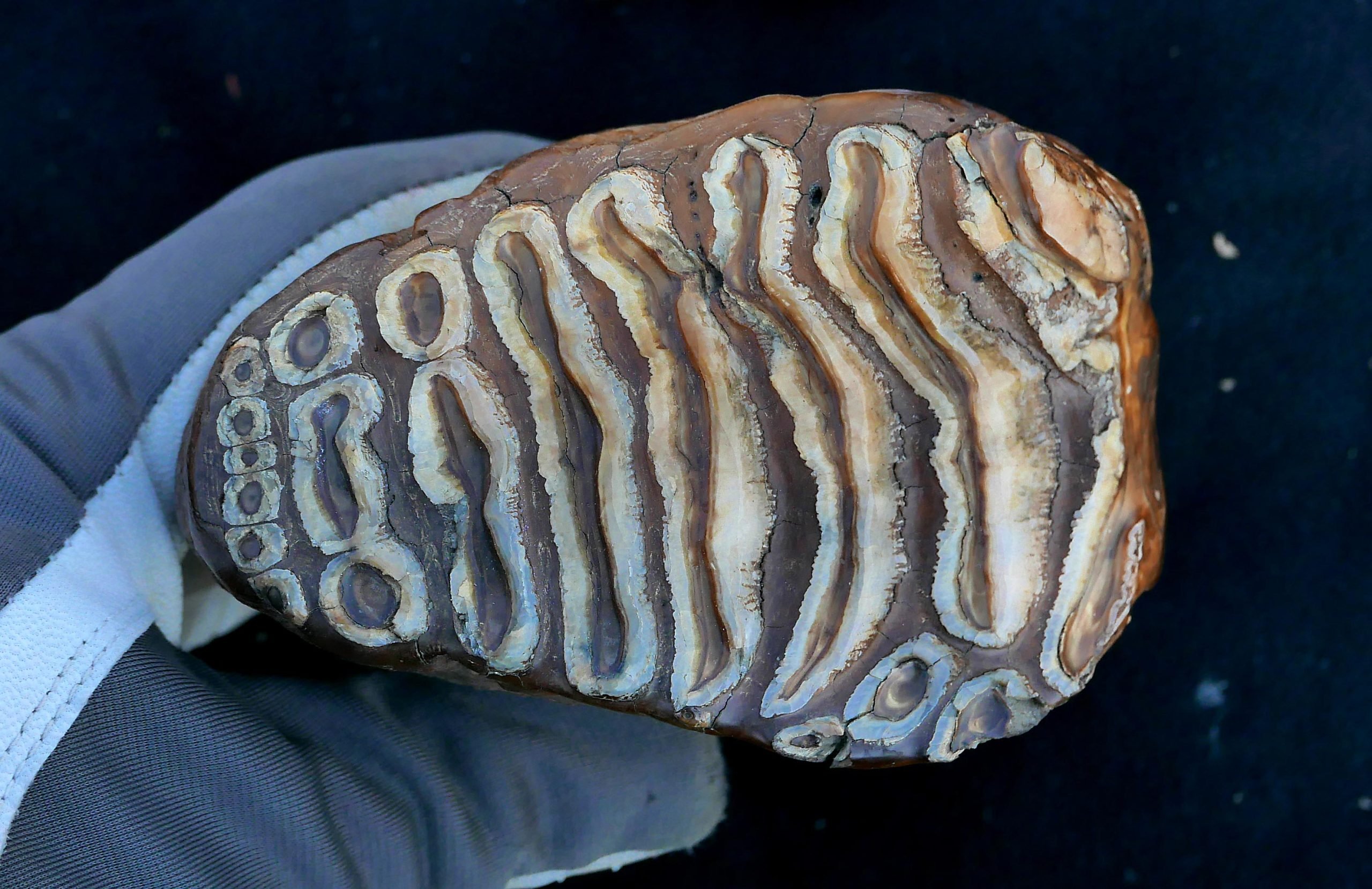
Ancient mammoth remains preserved microbial DNA over a million years old. The study reveals long-term host-microbe interactions.
An international team led by scientists at the Centre for Palaeogenetics has recovered microbial DNA preserved in the remains of woolly and steppe mammoths dating back more than one million years. The study uncovered some of the oldest microbial DNA ever identified and revealed bacteria that may have contributed to disease in mammoths. The results were recently reported in the journal Cell.
The researchers, working at the Centre for Palaeogenetics—a joint initiative between Stockholm University and the Swedish Museum of Natural History—examined microbial DNA from 483 mammoth specimens, including 440 that had never been sequenced before.
One notable sample came from a steppe mammoth that lived roughly 1.1 million years ago. By applying advanced genomic and bioinformatic methods, the team was able to separate microbes that were part of the mammoths’ living microbiomes from those that colonized the remains after death.
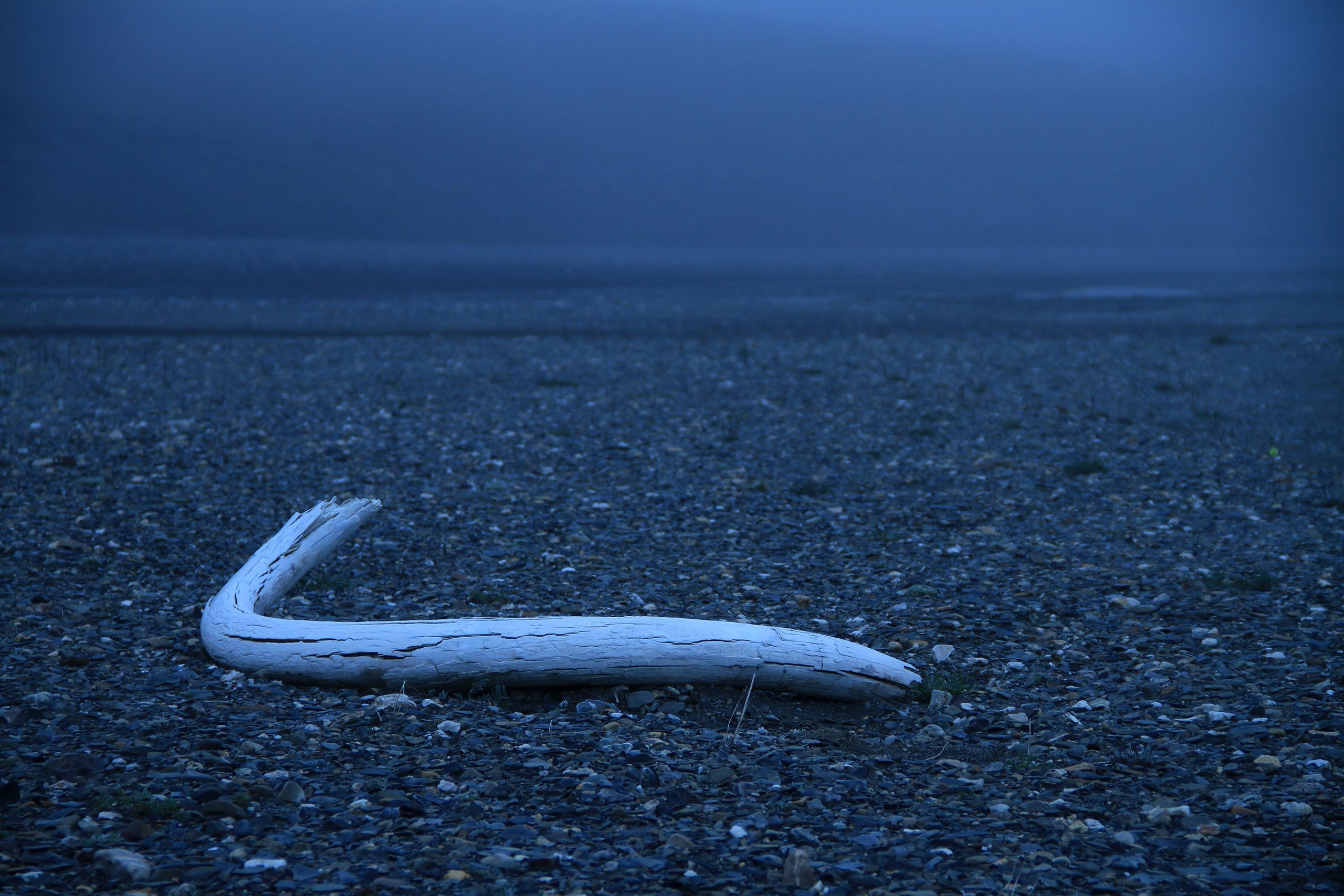
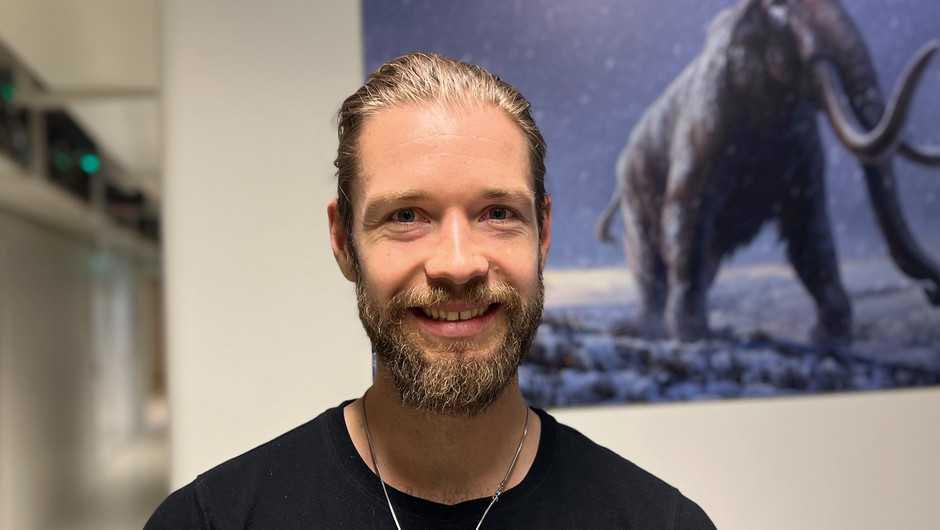
“Imagine holding a million-year-old mammoth tooth. What if I told you it still carries traces of the ancient microbes that lived together with this mammoth? Our results push the study of microbial DNA back beyond a million years, opening up new possibilities to explore how host-associated microbes evolved in parallel with their hosts,” says Benjamin Guinet, a postdoctoral fellow at the Centre for Palaeogenetics and lead author of the study.
Six microbial clades persisted across time and space
The researchers identified six microbial lineages that appeared consistently in association with mammoth remains, including relatives of Actinobacillus, Pasteurella, Streptococcus, and Erysipelothrix. Some of these microbes may have been harmful. For example, one Pasteurella-like bacterium uncovered in the study is closely related to a pathogen responsible for deadly outbreaks in African elephants. Because African and Asian elephants are the nearest living relatives of mammoths, the discovery raises the possibility that mammoths were also susceptible to similar infections.
In a particularly striking result, the team was able to reconstruct portions of the genome of Erysipelothrix from a steppe mammoth that lived about 1.1 million years ago. This achievement represents the oldest host-associated microbial DNA ever retrieved, expanding the boundaries of what can be learned about the relationships between extinct animals and their microbial communities.
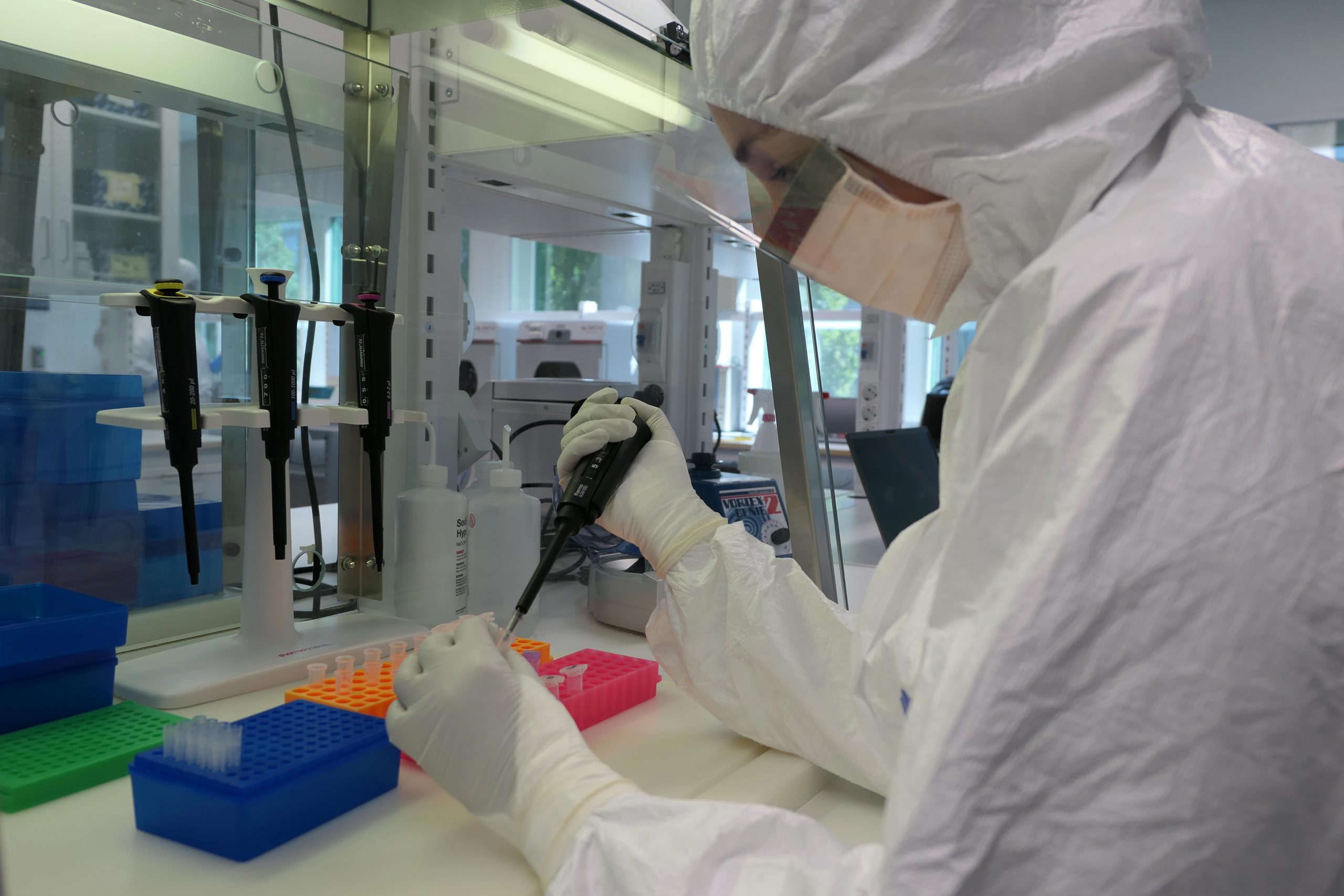
“As microbes evolve fast, obtaining reliable DNA data across more than a million years was like following a trail that kept rewriting itself. Our findings show that ancient remains can preserve biological insights far beyond the host genome, offering us perspectives on how microbes influenced adaptation, disease, and extinction in Pleistocene ecosystems,” says Tom van der Valk, senior author and researcher at the Centre for Palaeogenetics.
A new window into ancient ecosystems
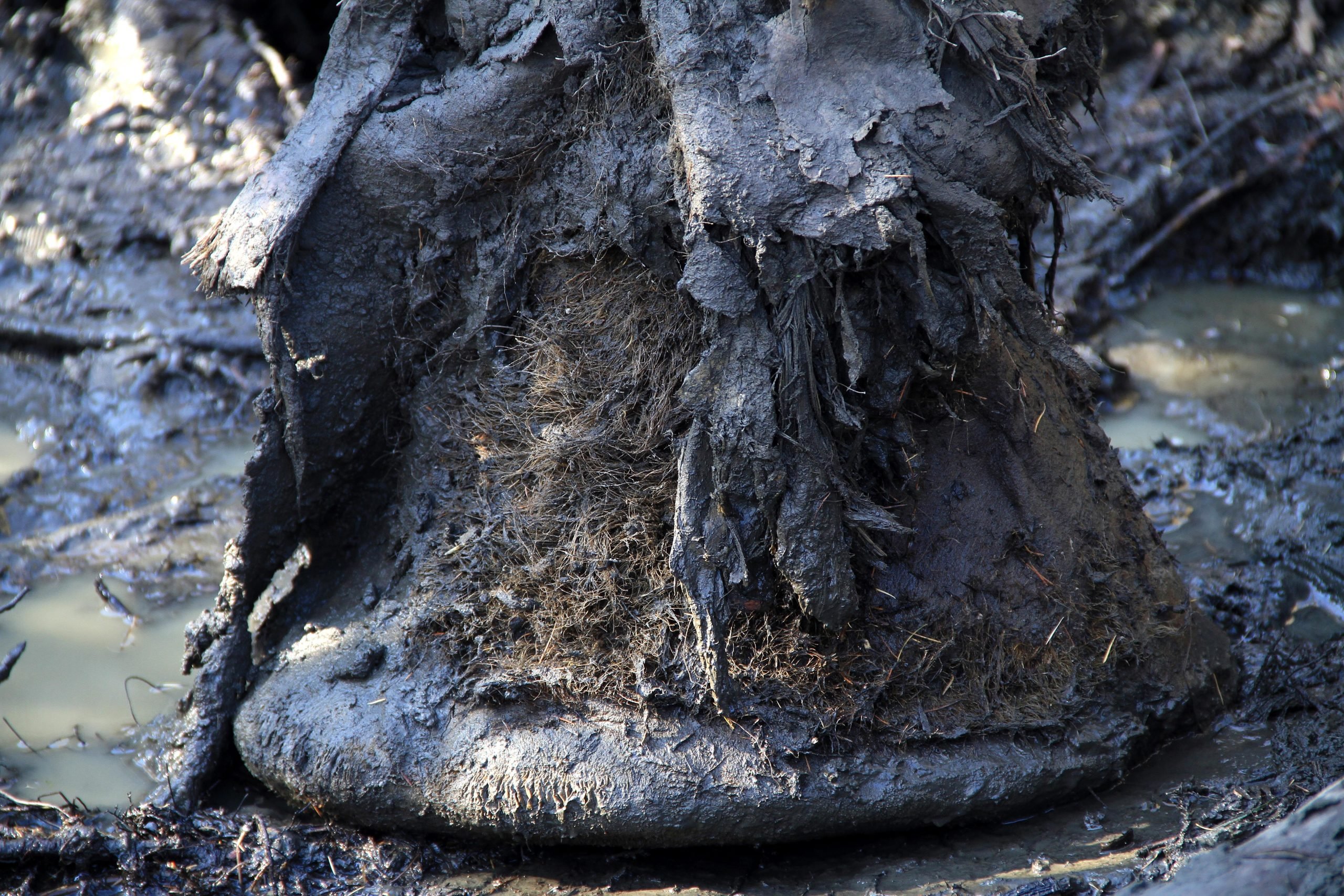
Although the exact impact of the identified microbes on mammoth health is difficult to determine due to DNA degradation and limited comparative data, the study provides an unprecedented glimpse into the microbiomes of extinct megafauna. The results suggest that some microbial lineages coexisted with mammoths for hundreds of thousands of years, spanning both wide geographic ranges and evolutionary timescales, from over one million years ago to the extinction of woolly mammoths on Wrangel Island about 4,000 years ago.
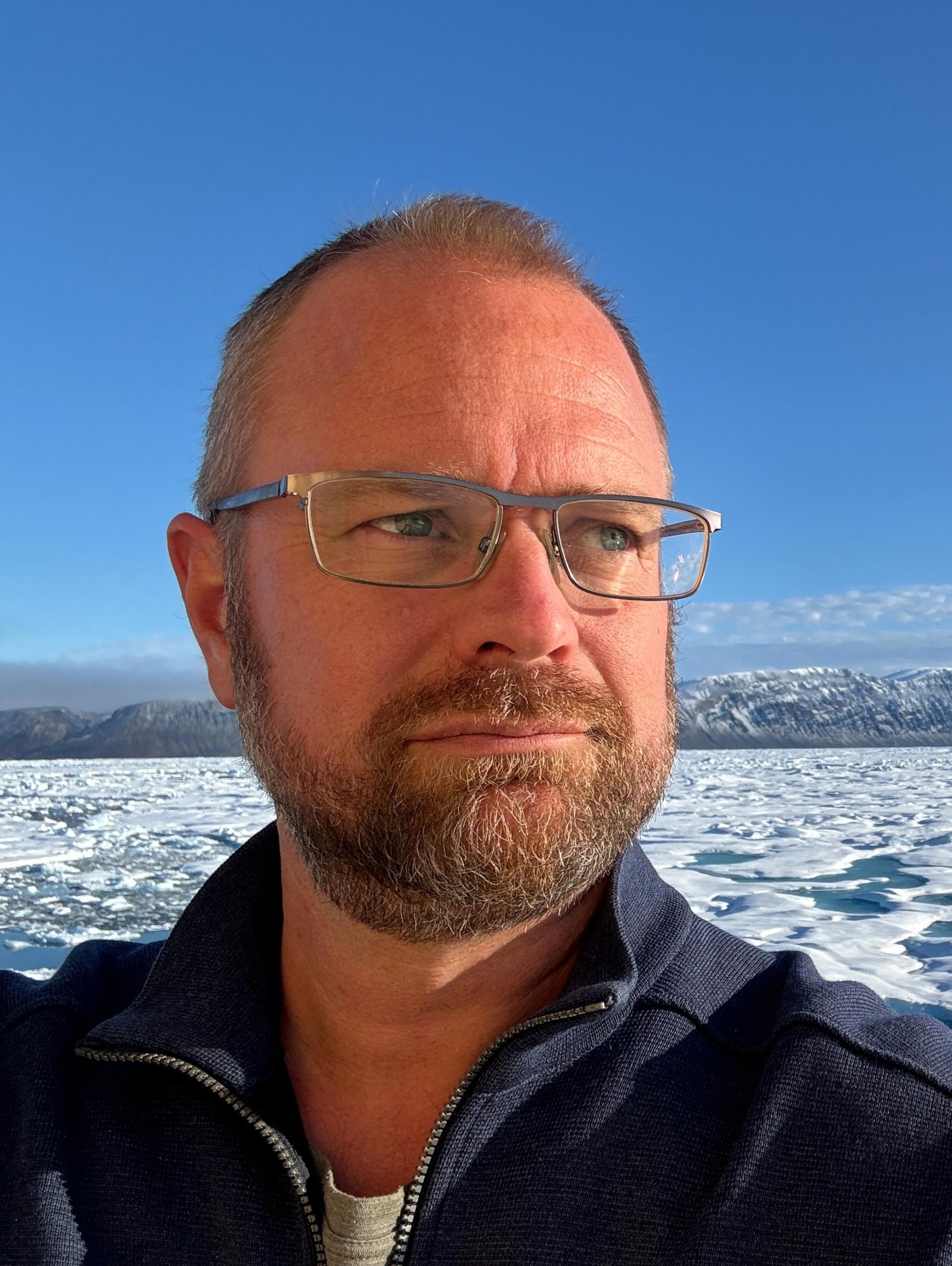
“This work opens a new chapter in understanding the biology of extinct species. Not only can we study the genomes of mammoths themselves, but we can now begin to explore the microbial communities that lived inside them,” says Love Dalén, Professor of Evolutionary Genomics at the Centre for Palaeogenetics.
Reference: “Ancient host-associated microbes obtained from mammoth remains” by Benjamin Guinet, Nikolay Oskolkov, Kelsey Moreland, Marianne Dehasque, J. Camilo Chacón-Duque, Anders Angerbjörn, Juan Luis Arsuaga, Gleb Danilov, Foteini Kanellidou, Andrew C. Kitchener, Héloïse Muller, Valerii Plotnikov, Albert Protopopov, Alexei Tikhonov, Laura Termes, Grant Zazula, Peter Mortensen, Lena Grigorieva, Michael Richards, Beth Shapiro, Adrian M. Lister, Sergey Vartanyan, David Díez-del-Molino, Anders Götherström, Patrícia Pečnerová, Pavel Nikolskiy, Love Dalén and Tom van der Valk, 2 September 2025, Cell.
DOI: 10.1016/j.cell.2025.08.003
Funding: SciLifeLab and Wallenberg Data Driven Life Science Program, Swedish Research Council, European Union, Marie Skłodowska-Curie, Marie Skłodowska-Curie Actions Postdoctoral Fellowships
Never miss a breakthrough: Join the SciTechDaily newsletter.
Follow us on Google and Google News.