
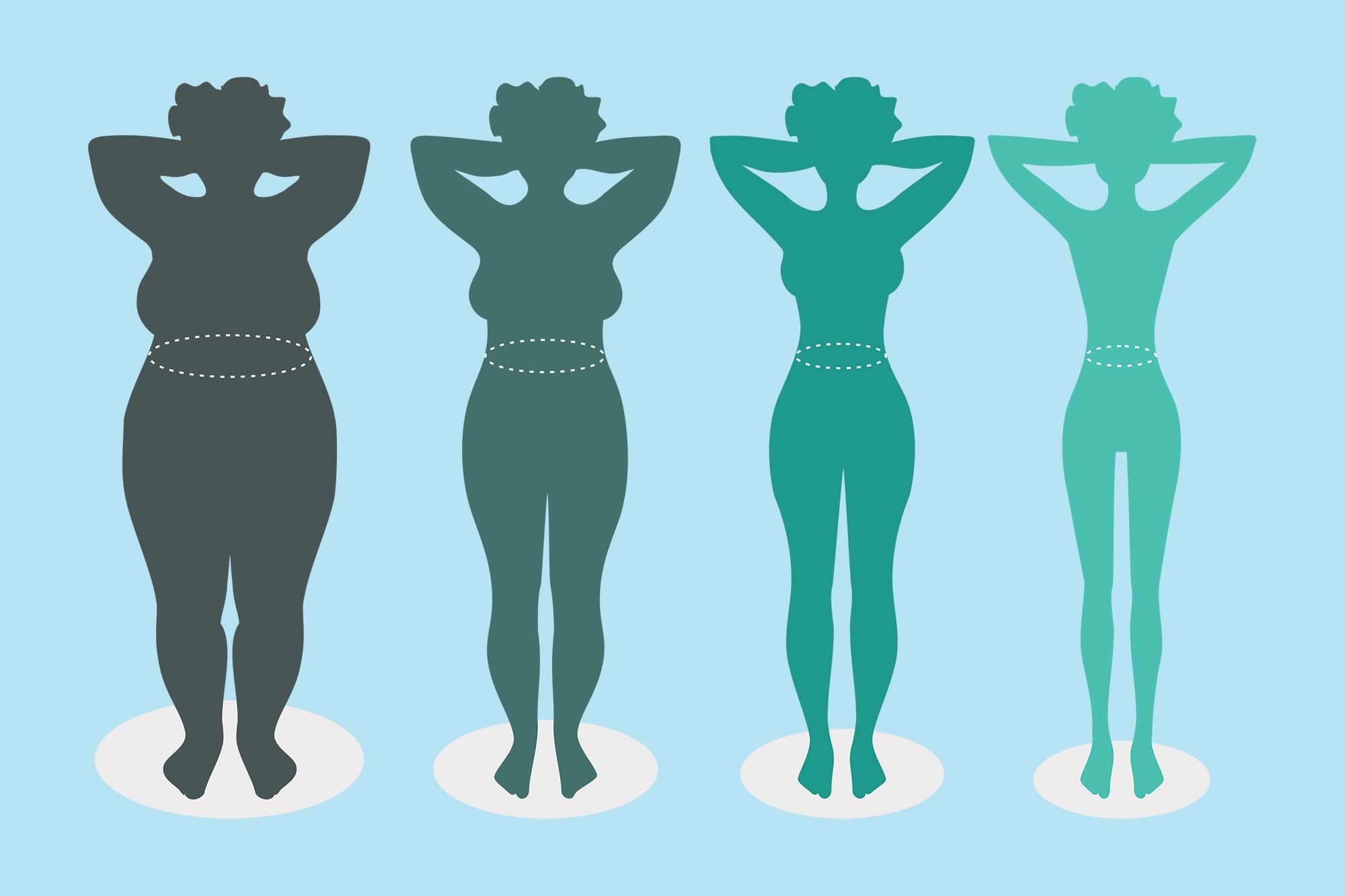
BMI might be misleading millions about their true health status.
New research from Italy, set to be presented at the European Congress on Obesity (ECO 2026, Istanbul, Turkey, May 12-15) and published in Nutrients, suggests that the widely used body mass index (BMI) system may not be as reliable as once thought. When researchers used dual-energy X-ray absorptiometry (DXA), considered the gold standard for measuring body fat, they found that BMI frequently misclassifies people as overweight or obese.
In recent years, BMI has faced growing criticism for its inability to reflect true body fat percentage or how fat is distributed in the body. Professor Marwan El Ghoch, from the Department of Biomedical, Metabolic and Neural Sciences at the University of Modena and Reggio Emilia, explains that BMI does not accurately capture adiposity, which is essential for determining weight-related health risks. Despite these limitations, BMI remains widely used in primary healthcare (i.e., general practitioners) as well as in non-clinical settings (i.e., policy and health insurance).
Study Compares BMI With DXA Body Fat Measurements
To evaluate how well BMI performs, researchers from the University of Verona and Beirut University analyzed a general population sample in which body fat had been measured using DXA. This method classifies individuals based on their age and body fat percentage, offering a more precise assessment of adiposity.*
The study included 1351 adults aged 18 to 98 years, with 60% female participants. All individuals were referred to the Department of Neurosciences, Biomedicine and Movement Sciences at the University of Verona. The group consisted entirely of White Caucasian participants, reflecting known differences in BMI across ethnicities.
Using standard WHO BMI categories, 19 participants (1.4%) were classified as underweight (BMI under 18.5), 787 (58.3%) as normal weight (BMI 18.5-25), 354 (26.2%) as overweight (BMI 25-30), and 191 (14.1%) as obese (BMI over 30). This resulted in a combined overweight and obesity prevalence of about 41%, consistent with regional data from Veneto, Italy. Participants were then reassessed using DXA-based body fat percentage (BF%).
BMI Misclassification Rates Revealed
The DXA results showed substantial discrepancies. Among those labeled obese by BMI, more than one-third (34%) were actually in the overweight category based on body fat measurements. Misclassification was even more pronounced among those categorized as overweight by BMI, where over half (53%) were placed in the wrong group. Of these, three-quarters were actually in the normal weight range, while the remaining quarter met criteria for obesity.
Agreement between BMI and DXA was higher in the normal weight group (BMI 18.5 to 25), with both methods aligning in 78% of cases. However, 22% of individuals in this category were reassigned when evaluated using DXA (9.7% underweight, 11.4% overweight, and 0.8% obesity).
The greatest mismatch occurred in the underweight group. Two-thirds (13 of 19; 68.4%) of those classified as underweight by BMI (under 18.5) were found to be in a different category when assessed with DXA, and should have been considered normal weight.
Overall, DXA analysis indicated that the true combined prevalence of overweight and obesity in the group was about 37% (23.4% overweight and 13.2% obesity), compared to 41% when using BMI.
Experts Call for Improved Weight Assessment Methods
Professor El Ghoch, who led the study, says: “Our main finding highlights the fact that a large proportion of individuals, exceeding one-third of adults among the Italian general population, is misclassified and placed in an incorrect weight status category, when relying on the traditional WHO BMI classification resulting in an overestimation of the prevalence of underweight, overweight, and obesity when compared to the classification based on body fat percentage as measured by the gold standard technique of dual-energy X-ray absorptiometry (DXA).”
Co-author Professor Chiara Milanese of the University of Verona adds: “Another key finding of our study is that, even though both systems identify a similar overall prevalence of overweight and obesity, we are talking in some cases about different people, or in other words, the individuals identified by DXA are not all the same as those from BMI classification. This is due to the disagreement between WHO BMI and DXA-derived BF% classification systems in determining weight status in the general population among body weight ranges and age groups of both genders.”
The researchers conclude that public health guidelines in Italy should be updated to include additional measures alongside BMI. These could include direct assessments of body composition or simpler alternatives such as skinfold measurements or body circumference indicators like the waist-to-height ratio. They also suggest that similar misclassification patterns are likely in White Caucasian populations in other countries, though further research is needed to confirm whether this applies globally and across different ethnic groups.
Reference: “The WHO BMI System Misclassifies Weight Status in Adults from the General Population in North Italy: A DXA-Based Assessment Study (18–98 Years)” by Chiara Milanese, Leila Itani, Valentina Cavedon and Marwan El Ghoch, 28 June 2025, Nutrients.
DOI: 10.3390/nu17132162
Never miss a breakthrough: Join the SciTechDaily newsletter.
Follow us on Google and Google News.