
Close Menu
    Facebook X (Twitter) Instagram
    SciTechDaily
    • Biology
    • Chemistry
    • Earth
    • Health
    • Physics
    • Science
    • Space
    • Technology
    Facebook X (Twitter) Pinterest YouTube RSS
    SciTechDaily
    Home»Health»Zika Vaccine Could Virtually Eliminate Prenatal Infections
    Health

    Zika Vaccine Could Virtually Eliminate Prenatal Infections

    By Elisabeth Reitman, Yale UniversityApril 17, 2018No Comments2 Mins Read
    Facebook Twitter Pinterest Telegram LinkedIn WhatsApp Email Reddit
    Share
    Facebook Twitter LinkedIn Pinterest Telegram Email Reddit
    A Zika Vaccine Could Virtually Eliminate Prenatal Infections
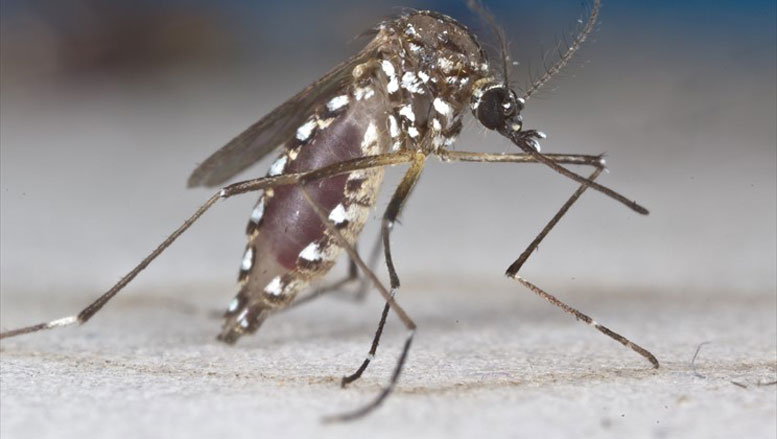
    Aedes aegypti mosquito

    A Zika vaccine could have a substantial effect on mitigating and preventing future Zika virus outbreaks. Through a combination of direct protection and indirect reduction of transmissions, virtual elimination is achievable, even with imperfect vaccine efficacy and coverage, a new Yale School of Public Health study finds.

    Mosquito-borne and sexually transmitted Zika virus has become widespread across Central and South America and the Caribbean. A viable vaccine is expected to be available in the next several years, but a vaccine’s effectiveness in preventing infections depends not only on its efficacy, but also on demographic and fertility patterns, local Zika attack rates, and the proportion of the population still susceptible when it becomes available.

    The research is published in the Annals of Internal Medicine.

    Researchers led by Alison Galvani, the Burnett and Stender Families Professor of Epidemiology, developed a computer model to quantify the effect of a Zika vaccination strategy that prioritized females aged 9 to 49 years, followed by males aged 9 to 49 years. The model considered both vector-borne and sexual transmission, as well as country-specific mosquito density.

    The researchers found that a vaccine that was about 75 percent effective and covered about 90 percent of females aged 9 to 49 years would reduce the incidence of prenatal infections by at least 94 percent, depending on the country-specific Zika attack rate. They also found that in regions where an outbreak is not expected for at least 10 years, vaccination of women aged 15 to 29 years is more efficient than that of women aged 30 years or older.

    Other co-authors on the study were David P. Durham, Ph.D.; Meagan C. Fitzpatrick, Ph.D.; from the University of Maryland, Martial L. Ndeffo-Mbah, Ph.D.; Alyssa S. Parpia, M.P.H.; and Nelson L. Michael, M.D., Ph.D., of the Walter Reed Army Institute of Research.

    Reference: “Evaluating Vaccination Strategies for Zika Virus in the Americas” by David P. Durham, Ph.D.; Meagan C. Fitzpatrick, Ph.D.; Martial L. Ndeffo-Mbah, PhD; Alyssa S. Parpia, MPH; Nelson L. Michael, MD, Ph.D. and Alison P. Galvani, Ph.D., 1 May 2018, Annals Internal Medicine.
    DOI: 10.7326/M17-0641

    Never miss a breakthrough: Join the SciTechDaily newsletter.
    Follow us on Google and Google News.

    Disease Medicine Yale University Zika Virus
    Share. Facebook Twitter Pinterest LinkedIn Email Reddit

    Related Articles

    Small-Molecule Inhibitor NGI-1 Blocks Zika and Dengue Viruses

    New Combination Therapy Cures Tick-Borne Illness in Mice

    New Yale Study Pinpoints Key Protein in Severe Vascular Disease

    New Strategy to Better Protect Cancer Patients from the Flu

    Study Shows Diabetes Drug Significantly Reduces Risk of Heart Failure

    Yale Researchers Reveal How HIV Spreads in Real Time

    Yale Study Shows One in Four Hepatitis C Patients Denied Initial Drug Therapy

    Researchers May Have Pinpointed a Strategy for Eliminating Latent HIV

    Intensive Glycemic Control Does Not Definitively Reduce the Risk of Impaired Kidney Function

    Leave A Reply Cancel Reply

    • Facebook
    • Twitter
    • Pinterest
    • YouTube

    Don't Miss a Discovery

    Subscribe for the Latest in Science & Tech!

    Trending News

    New “Nanozyme Hypothesis” Could Rewrite the Story of Life’s Origins

    Anatomy Isn’t Finished: The Human Body Still Holds Secrets

    “Pretty Close to Home”: The Hidden Earthquake Threat Beneath Seattle

    The Surprising Reason You Might Want To Sleep Without a Pillow

    Scientists Say This Natural Hormone Reverses Obesity by Targeting the Brain

    35-Million-Year-Old Mystery: Strange Arachnid Discovered Preserved in Amber

    Is AI Really Just a Tool? It Could Be Altering How You See Reality

    JWST Reveals a “Forbidden” Planet With a Baffling Composition

    Follow SciTechDaily
    • Facebook
    • Twitter
    • YouTube
    • Pinterest
    • Newsletter
    • RSS
    SciTech News
    • Biology News
    • Chemistry News
    • Earth News
    • Health News
    • Physics News
    • Science News
    • Space News
    • Technology News
    Recent Posts
    • Scientists Finally Crack the Mystery of Water’s Strangest Behavior After Decades of Research
    • What If Consciousness Exists Beyond Your Brain
    • Scientists Finally Crack the 100-Million-Year Evolutionary Mystery of Squid and Cuttlefish
    • This Algae Could One Day Pull Microplastics out of Your Drinking Water
    • Scientists Can Now Read Your Body Clock From a Single Hair
    Copyright © 1998 - 2026 SciTechDaily. All Rights Reserved.
    • Science News
    • About
    • Contact
    • Editorial Board
    • Privacy Policy
    • Terms of Use

    Type above and press Enter to search. Press Esc to cancel.