

A new study reveals the Southern Ocean’s key role in the Mid-Pleistocene climate transition, highlighting its impact on carbon storage and prolonged ice ages—findings critical as the Southern Ocean continues to warm.
A new study published in Science questions existing theories about the origins of a key shift during Earth’s ice ages. Conducted by an international team from the Woods Hole Oceanographic Institution (WHOI), Lamont-Doherty Earth Observatory, Scripps Institution of Oceanography, and Cardiff University, this research offers fresh perspectives on the ocean’s influence on climate during the Mid-Pleistocene Transition—a mysterious period of shifting climate cycles that started around one million years ago.
Many theories have been proposed for the Mid-Pleistocene Transition, and an important one is linked to a significant weakening of the Atlantic Meridional Overturning Circulation (AMOC). However, the new findings suggest an equally important but much more nuanced role for the deep ocean.
Examining Deep Ocean Carbon Sequestration and Climate Impact
Using climate records spanning the past 1.2 million years, the team reconstructed deep ocean properties that are crucial for understanding the ocean’s flow and carbon sequestration capabilities. “The deep ocean is enormous, especially when considering its capacity to store carbon dioxide (CO2) compared to the atmosphere,” said lead author Dr. Sophie Hines, an Assistant Scientist at WHOI. “Even a modest change in ocean circulation could significantly impact global climate.”
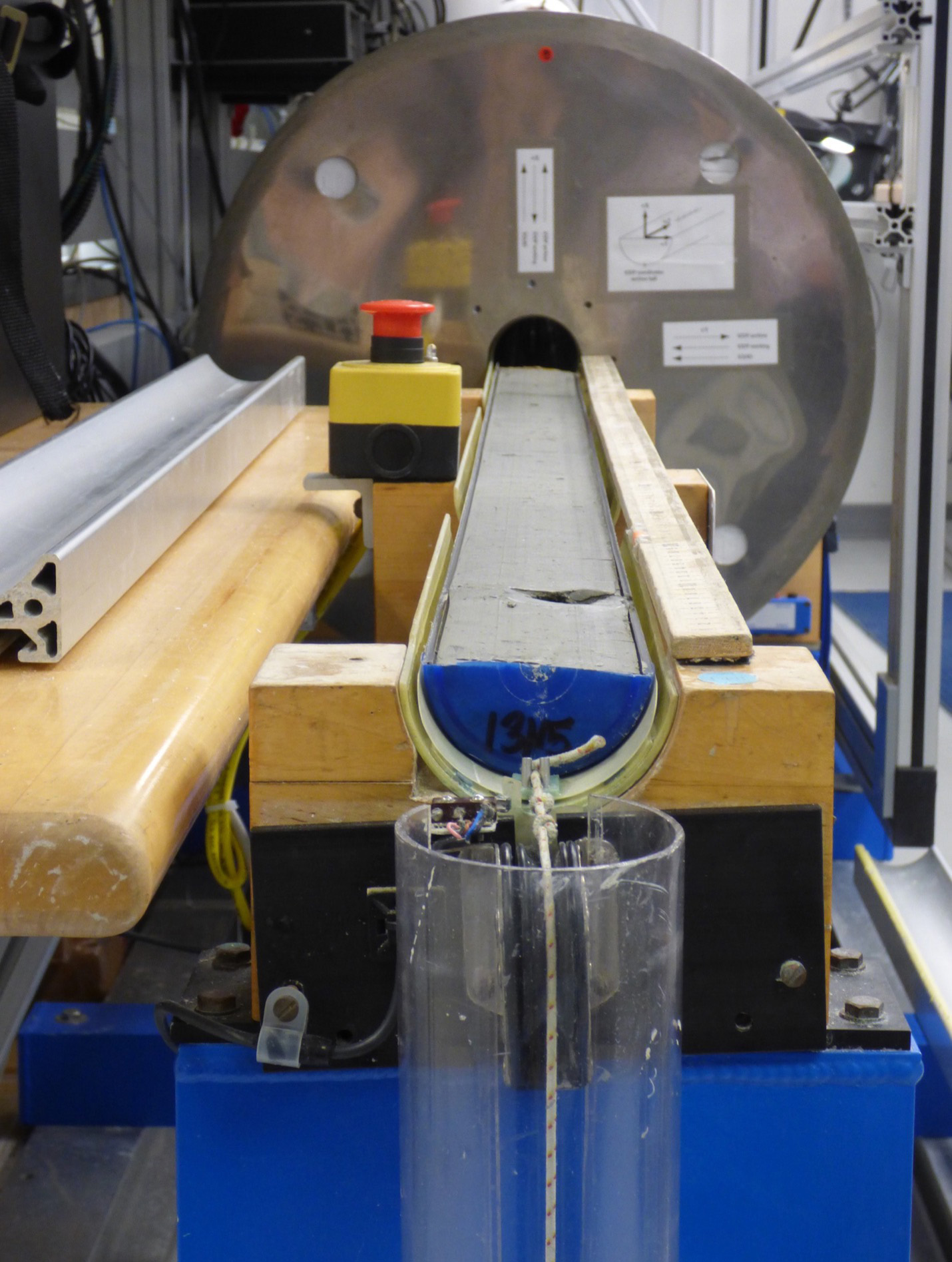
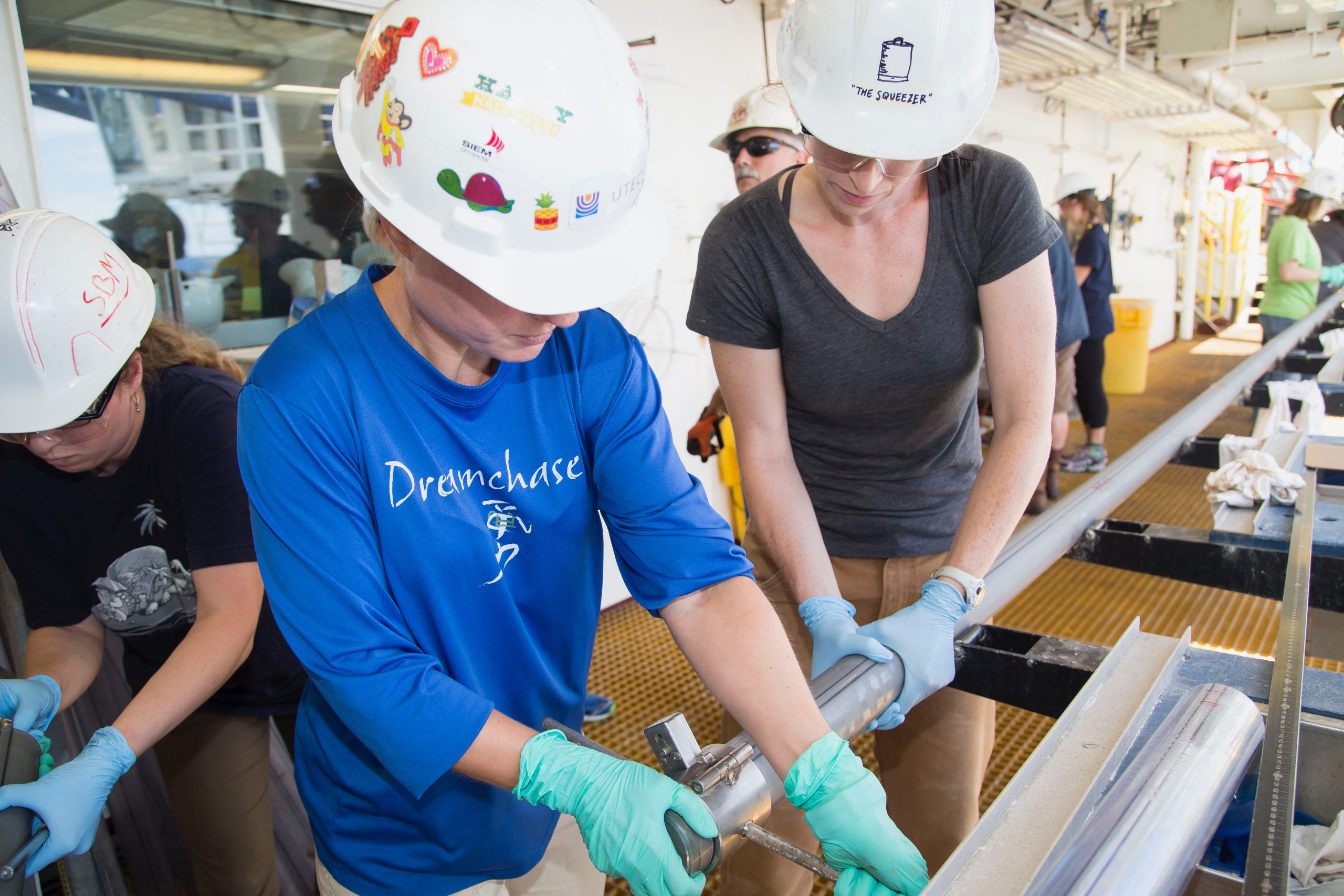
The researchers analyzed sediment core samples collected during the International Ocean Discovery Program (IODP) Expedition 361 near Cape Town, South Africa. By studying carbon and oxygen from fossils of single-celled organisms called foraminifera and isotopes of neodymium, the team uncovered details about the changes in deep ocean temperature and salinity, as well as the mixing histories of waters originating in both the northern and southern hemispheres.
The Impact of Antarctic Ice on Ocean and Climate Cycles
Dr. Sidney Hemming, the Arthur D. Storke Memorial Professor of Earth and Environmental Sciences at the Lamont-Doherty Earth Observatory and co-chief scientist on the expedition, said, “Crucially, we show that shifts in different deep ocean properties are not always coincident. With our more highly resolved multi-proxy record that includes transitional intervals, we find that ice age intensification was influenced primarily by changes around Antarctica.”
It is suggested that as the Antarctic Ice Sheet expanded, it enhanced the ocean’s capacity to store carbon, leading to lower atmospheric CO2 levels, colder climates, and prolonged ice age cycles.
Dr. Hines added, “Our research sheds light on the intricate interplay between ocean dynamics and climate change, underscoring the significance of the Southern Ocean in understanding our planet’s climate history.”
Recent studies stress the urgency of anthropogenic climate change, particularly in relation to reductions in the AMOC. As the Southern Ocean continues to warm at an alarming rate, understanding its dynamics is critical. The Southern Ocean plays a pivotal role in regulating global climate patterns, and its changes could have significant implications for ecosystems and weather systems worldwide.
Reference: “Revisiting the mid-Pleistocene transition ocean circulation crisis” by Sophia K. V. Hines, Christopher D. Charles, Aidan Starr, Steven L. Goldstein, Sidney R. Hemming, Ian R. Hall, Nambiyathodi Lathika, Mollie Passacantando and Louise Bolge, 7 November 2024, Science.
DOI: 10.1126/science.adn4154
Never miss a breakthrough: Join the SciTechDaily newsletter.
Follow us on Google and Google News.