

Researchers examine evidence of manipulation of human remains from Maszycka Cave.
An international research team, including researchers from the University of Göttingen, has uncovered new details about the burial practices of Late Ice Age societies in Central Europe. Their study of human remains from Maszycka Cave in southern Poland suggests that the deceased were systematically dissected, with evidence pointing to both ritualistic manipulation and cannibalism. These findings were recently published in Scientific Reports.
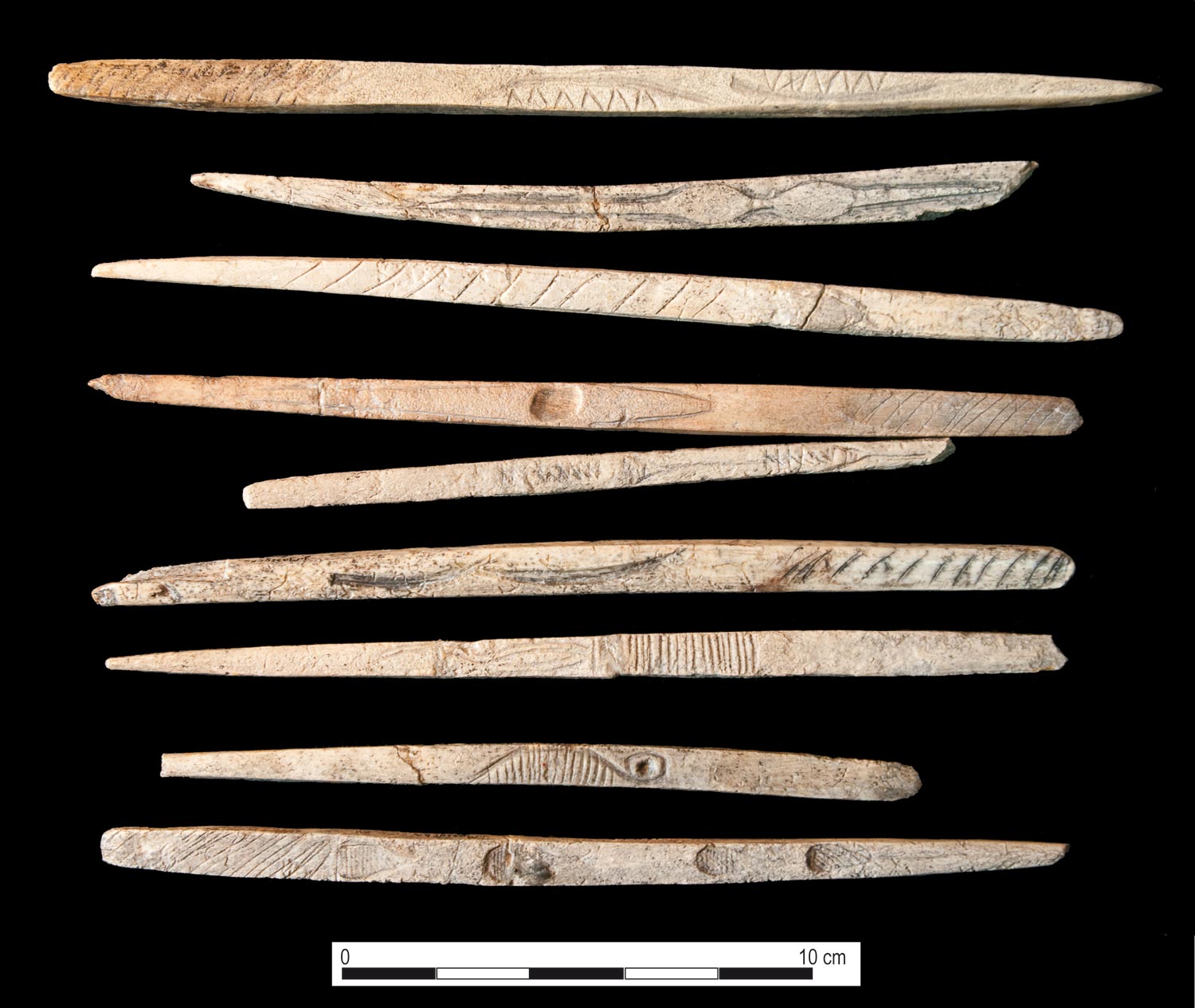
Maszycka Cave is an important archaeological site from the late Upper Paleolithic period. Over a century ago, researchers discovered human bones alongside stone and bone tools, as well as the remains of Ice Age animals, indicating a complex and possibly ritualistic interaction with the dead.

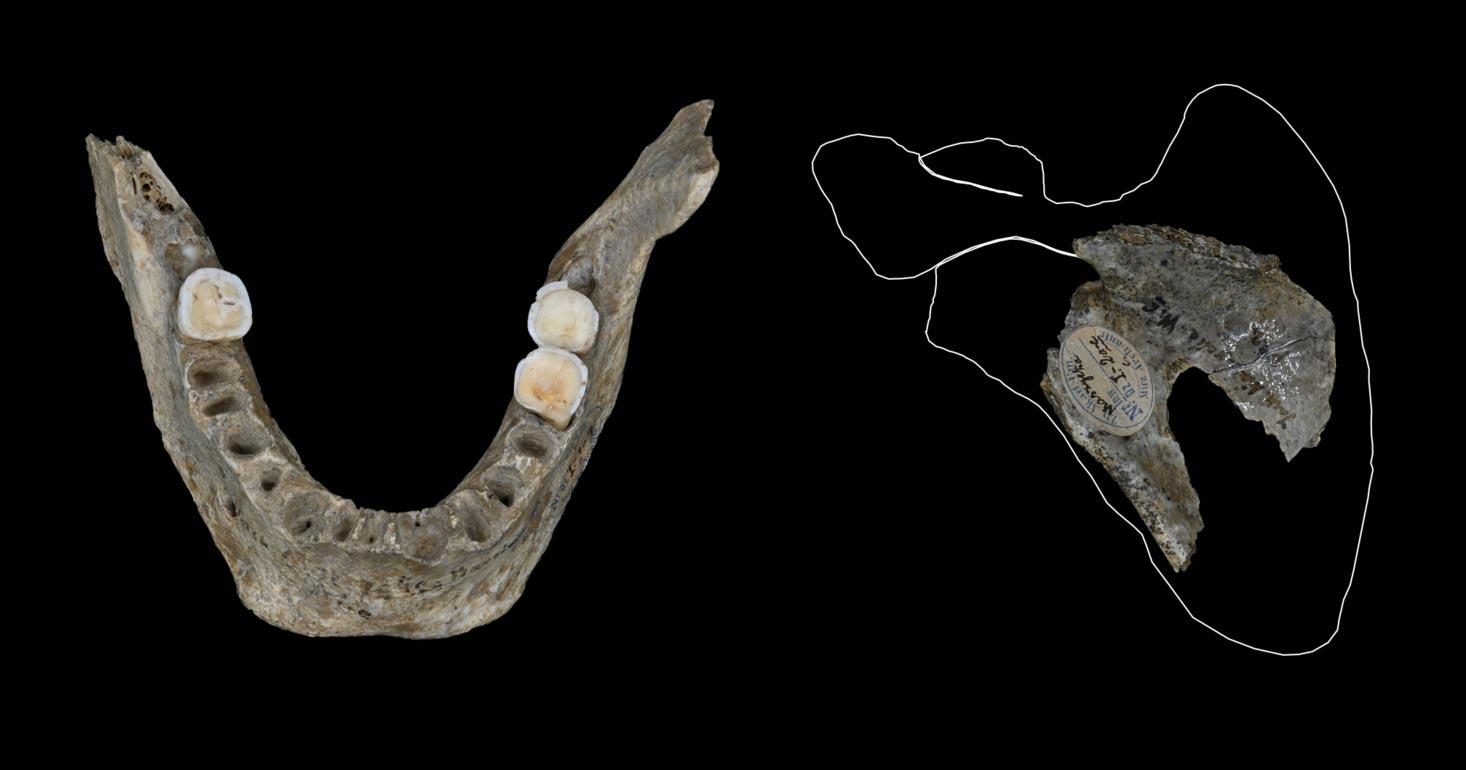
These discoveries were associated with a late Ice Age society in France, known as the Magdalenian, that existed between 20,000 and 14,500 years ago. Excavations in the 1960s yielded more human remains, so that a total of 63 bones from ten individuals dating back 18,000 years were available for examination. This is one of the most important collections of human remains from the late Upper Palaeolithic.
Using modern methods, the team identified 36 bone fragments, which showed signs that the individuals were dissected immediately after death. Cut marks on skull fragments indicate that the muscle attachments and scalp were removed before the long bones were smashed to get to the bone marrow.
Evidence of Cannibalism
First author Francesc Marginedas from the Catalan Institute of Human Paleoecology and Social Evolution explains: “The position and frequency of the cut marks, as well as the targeted smashing of bones, leave no doubt that their intention was to extract nutritious components from the dead.”
But how and why did cannibalism happen here? The Magdalenian are known for their impressive art – such as the famous cave paintings at Lascaux.
“The wide range of artistic evidence points to favorable living conditions during this period. It therefore seems unlikely that cannibalism was practiced out of necessity,” says Professor Thomas Terberger from the Department of Prehistory and Early History at the University of Göttingen.
Marginedas adds: “It is possible that this was an example of violent cannibalism. After the last Ice Age, there was population growth, and that may have led to conflicts over resources and territories. And there is evidence of isolated incidences of cannibalism in connection with violent conflict. Furthermore, human remains were found mixed with settlement debris in the Maszycka Cave, which indicates that the dead were not treated with respect.”
The results help to improve our understanding of the cultural development and group-dynamics in the Late Ice Age society.
Reference: “New insights of cultural cannibalism amongst Magdalenian groups at Maszycka Cave, Poland” by Francesc Marginedas, Palmira Saladié, Marta Połtowicz-Bobak, Thomas Terberger, Dariusz Bobak and Antonio Rodríguez-Hidalgo, 6 February 2025, Scientific Reports.
DOI: 10.1038/s41598-025-86093-w
Never miss a breakthrough: Join the SciTechDaily newsletter.
Follow us on Google and Google News.
11 Comments
Fascinating!!!
Thanks so informative.
Why is this behavior “disturbing?” Scientific journalism shouldn’t be biased or judgmental, and titles in the are of social media are an critical part of journalism. Either present the facts without comment and let the reader decide, or quit profiting by regurgitating the work of researchers.
If it was during an ice age or just after, we need to thank these guys for not allowing us to go extinct,
survive no matter what. Look at us now, over thriving lol.
That’s the way I look at it too 😂
Found the cannibal.
However, we now know that it is the Royal Air Force which does, in fact, have a problem with cannibalism.
Unless you provide references: No, we don’t seem to know that.
Monty Pythons Flying Circus. Look it up, Sheldon.
“Stop it! Stop it!
Stop all this cannibalism!”
I don’t believe T-‘bot will understand the reference. Good on yer, mate.