
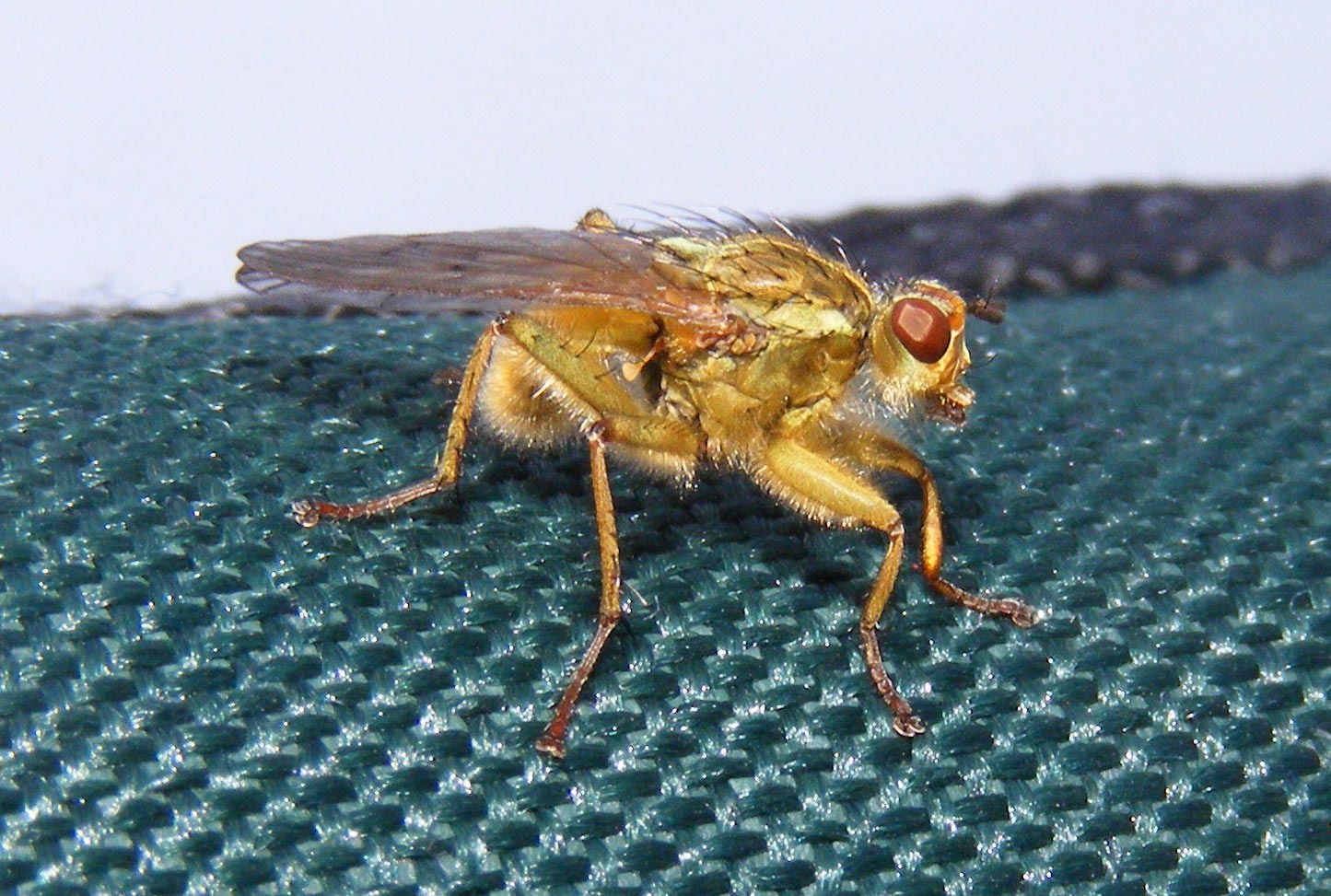
The extraordinary diversity of insects and fishes, the most species-rich invertebrate and vertebrate groups in the animal kingdom, is partly due to the origin of venom, a new study of their evolution has revealed.
Venomous fishes and insects diversify around twice as fast as their non-venomous counterparts, the research showed.
Venom provides an effective means of repelling predators or catching prey, which may allow species to exploit more opportunities in their environment, potentially leading to the formation of new species as they diversify in their ecology.
Over 1 million species of insects have so far been identified, which is three-quarters of all invertebrate species on Earth. There are 31,269 species of fish, which make up almost half of all vertebrate species.

Independent Evolution of Venom Across Time
Today, around 10% of fish families and 16% of insect families contain venomous species – from stingrays and catfish to wasps and mosquitoes. The research showed that venom has independently evolved at least 19-20 times in fishes and at least 28 times in insects across their evolutionary history.
Although biologists have long examined what drives biodiversity, the role of venom in relation to the most diverse groups of all — insects and fishes — had not been fully considered.
This is where the new Swansea-led research comes in. The team, led by Dr. Kevin Arbuckle from the Department of Biosciences, carried out the first large-scale test of whether venom contributed to the diversity of insect and fish species.
By showing that venom has evolved many times over the evolutionary history of both insects and fishes, and that it has been associated with faster rates of diversification, the researchers present evidence that venom has contributed meaningfully to the species diversity in these ‘super-radiations’.
Venom’s Hidden Evolutionary Power
Dr. Kevin Arbuckle of Swansea University, lead researcher, said:
“Our results provide evidence that venom has played a part in generating the diversity of insects and fishes, which have the largest number of species amongst invertebrates and vertebrates, respectively.
Venom is not the only factor driving species richness in these animal groups, but we show that it has played an important but previously unrecognized role in generating the amazing diversity we see today amongst insects and fishes.”
Although tentative, the pattern of timing in the origins of venomous fishes suggests tantalizing clues of what was driving the evolution of their venom. Unlike insects, where venom evolved fairly evenly throughout their history, most origins of fish venom were concentrated in the Late Cretaceous and Eocene periods.
Dr. Arbuckle explained:
“Mosasaurs — the aquatic behemoths made famous in the Jurassic World series — originated and peaked in diversity in the Late Cretaceous, at a time when other large marine predator groups were declining.
Similarly, whales originated and peaked in diversity in the Eocene, when most other large marine predators had gone extinct at the end-Cretaceous mass extinction, which killed off the dinosaurs.
Both early whales and mosasaurs are thought to have been active predators with similar styles of movement. As a result, we cautiously speculate that most origins of fish venom were linked to similar predation pressures imposed by mosasaurs in the Late Cretaceous and early whales in the Eocene.”
The research was published in BMC Ecology and Evolution.
Reference: “Radiating pain: venom has contributed to the diversification of the largest radiations of vertebrate and invertebrate animals” by Kevin Arbuckle and Richard J. Harris, 3 August 2021, BMC Ecology and Evolution.
DOI: 10.1186/s12862-021-01880-z
Never miss a breakthrough: Join the SciTechDaily newsletter.
Follow us on Google and Google News.
1 Comment
“As a result, we cautiously speculate that most origins of fish venom were linked to similar predation pressures imposed by mosasaurs in the Late Cretaceous and early whales in the Eocene.”
Would something the size of a mosasaur even bother with something as small as a puffer fish? Would a puffer fish or similar small fish carry enough poison to even make a mosasaur sick, let alone kill it?