
Japanese researchers created a mouse vaccine that shifts the immune response to the conserved core of the coronavirus spike protein, generating antibodies that neutralize multiple coronaviruses. This could form the basis of broad, future-proof vaccines.
Researchers in Japan have developed a vaccination strategy in mice that promotes the production of antibodies that can neutralize not only SARS-CoV-2 but a broad range of other coronaviruses as well. If successfully translated to humans, the approach, to be published today (October 8, 2021), in the Journal of Experimental Medicine, could lead to the development of a next-generation vaccine capable of preventing future coronavirus pandemics.
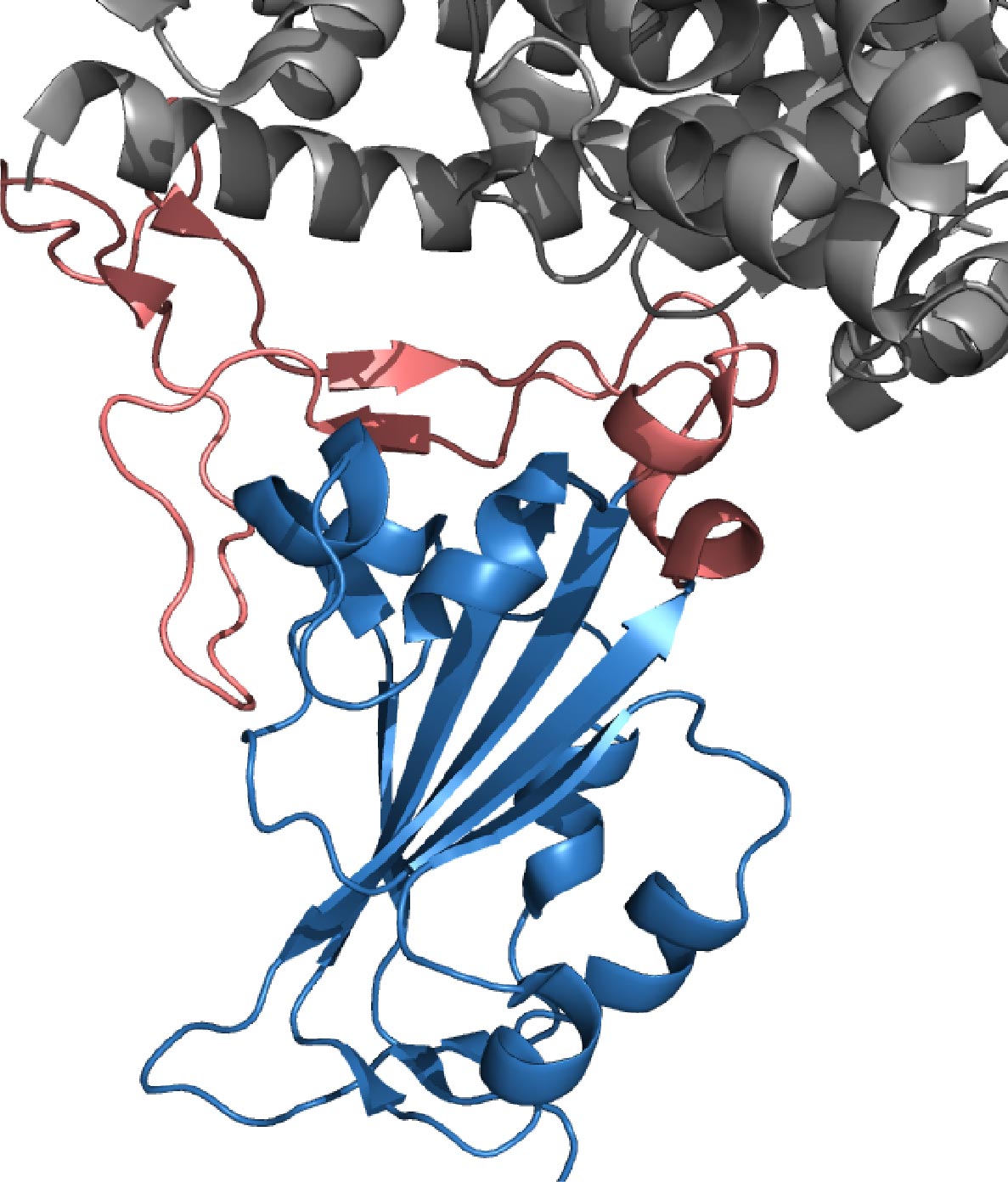
The SARS-CoV-2 virus responsible for COVID-19 enters human cells by using its spike protein to bind to a cell surface receptor called ACE2. The receptor-binding domain of the spike protein consists of two parts: a “core” region that is very similar in all coronaviruses, and a more specialized “head” region that mediates binding to ACE2.
Antibodies that recognize the head region of the spike receptor-binding domain can block the entry of SARS-CoV-2 into cells but offer little protection against other coronaviruses, such as the SARS-CoV-1 virus responsible for the severe acute respiratory syndrome outbreak of 2002. Antibodies that recognize the core region of the spike receptor-binding domain, in contrast, can prevent the entry of various coronaviruses into human cells. Unfortunately, however, individuals exposed to the viral spike protein tend to produce lots of antibodies against the head region but few, if any, antibodies that recognize the core region.
“This suggests that, although the generation of broadly neutralizing antibodies is possible, SARS-CoV-2 infection and current vaccines are unlikely to provide protection against the emergence of novel SARS-related viruses,” explains Professor Tomohiro Kurosaki from the WPI Immunology Frontier Research Center at Osaka University in Japan. “Given that prior coronavirus epidemics such as SARS-CoV-1 and MERS-CoV have occurred due to zoonotic coronaviruses crossing the species barrier, the potential for the emergence of similar viruses in the future poses a significant threat to global public health, even in the face of effective vaccines for current viruses.”
Engineering Vaccines to Boost Core-Targeting Antibodies
Kurosaki and colleagues decided to test a new vaccination strategy that might enable the immune system to produce more broadly neutralizing antibodies. The researchers genetically engineered the receptor-binding domain of the SARS-CoV-2 spike protein, covering its head region in additional sugar molecules. These sugar molecules could shield the head region from the immune system and boost the production of antibodies against the unshielded core region of the receptor-binding domain.
Indeed, mice immunized with these engineered proteins produced a much higher proportion of antibodies recognizing the core region of the spike protein receptor-binding domain. These antibodies were able to neutralize the cellular entry of not only SARS-CoV-2 but also SARS-CoV-1 and three SARS-like coronaviruses from bats and pangolins.
Much work will need to be done to translate this strategy to humans, but, says Kurosaki, “our data suggest that engineered versions of the spike receptor-binding domain could be a useful component for the development of broadly protective, next-generation vaccines to prevent future coronavirus pandemics.”
Reference: “Glycan engineering of the SARS-CoV-2 receptor-binding domain elicits cross-neutralizing antibodies for SARS-related viruses” by Ryo Shinnakasu, Shuhei Sakakibara, Hiromi Yamamoto, Po-hung Wang, Saya Moriyama, Nicolas Sax, Chikako Ono, Atsushi Yamanaka, Yu Adachi, Taishi Onodera, Takashi Sato, Masaharu Shinkai, Ryosuke Suzuki, Yoshiharu Matsuura, Noritaka Hashii, Yoshimasa Takahashi, Takeshi Inoue, Kazuo Yamashita and Tomohiro Kurosaki, 8 October 2021, Journal of Experimental Medicine.
DOI: 10.1084/jem.20211003
Never miss a breakthrough: Join the SciTechDaily newsletter.
Follow us on Google and Google News.
1 Comment
Having a better way to recognize the spike area is great, but they’re still just talking about the spike.
All the coronaviruses and all their variants have different protein spikes, with Delta having one that’s more efficient at getting around the vaccines. But the real problem is in the virus itself, not its protein shell, and why the most dangerous (MERS, SARS, and Covid-19) are so infectious. My independent research has found multiple one-in-a-million nucleotide sequence matches between all the coronaviruses and the human genome. Those sequences are the same as some of the loops of human tRNA. Using those loops and their amino acid code matches, viruses may be able to fool the nucleus membrane in cells to allow the virus to enter and associate with the human DNA, creating more opportunities for further infection. Our immune system may be compromised and may no longer be able to stop the virus and other diseases from attacking organs throughout the body. Vaccines that attack the virus protein shells while ignoring their contents are doomed to failure from the Darwin effect, but recognizing these loops suggests a possible approach to successful coronavirus vaccines. Only the infection process is considered in my work, not the innate virulence of the virus. For more info, check out this YouTube, Coronavirus – Using Your DNA Against You. https://www.youtube.com/watch?v=8dOIzD6ch8s