
Close Menu
    Facebook X (Twitter) Instagram
    SciTechDaily
    • Biology
    • Chemistry
    • Earth
    • Health
    • Physics
    • Science
    • Space
    • Technology
    Facebook X (Twitter) Pinterest YouTube RSS
    SciTechDaily
    Home»Space»NASA Lucy Trojan Asteroid Mission Update: Zeroing in on Path Forward for Solar Array
    Space

    NASA Lucy Trojan Asteroid Mission Update: Zeroing in on Path Forward for Solar Array

    By NASADecember 10, 2021No Comments2 Mins Read
    Facebook Twitter Pinterest Telegram LinkedIn WhatsApp Email Reddit
    Share
    Facebook Twitter LinkedIn Pinterest Telegram Email Reddit
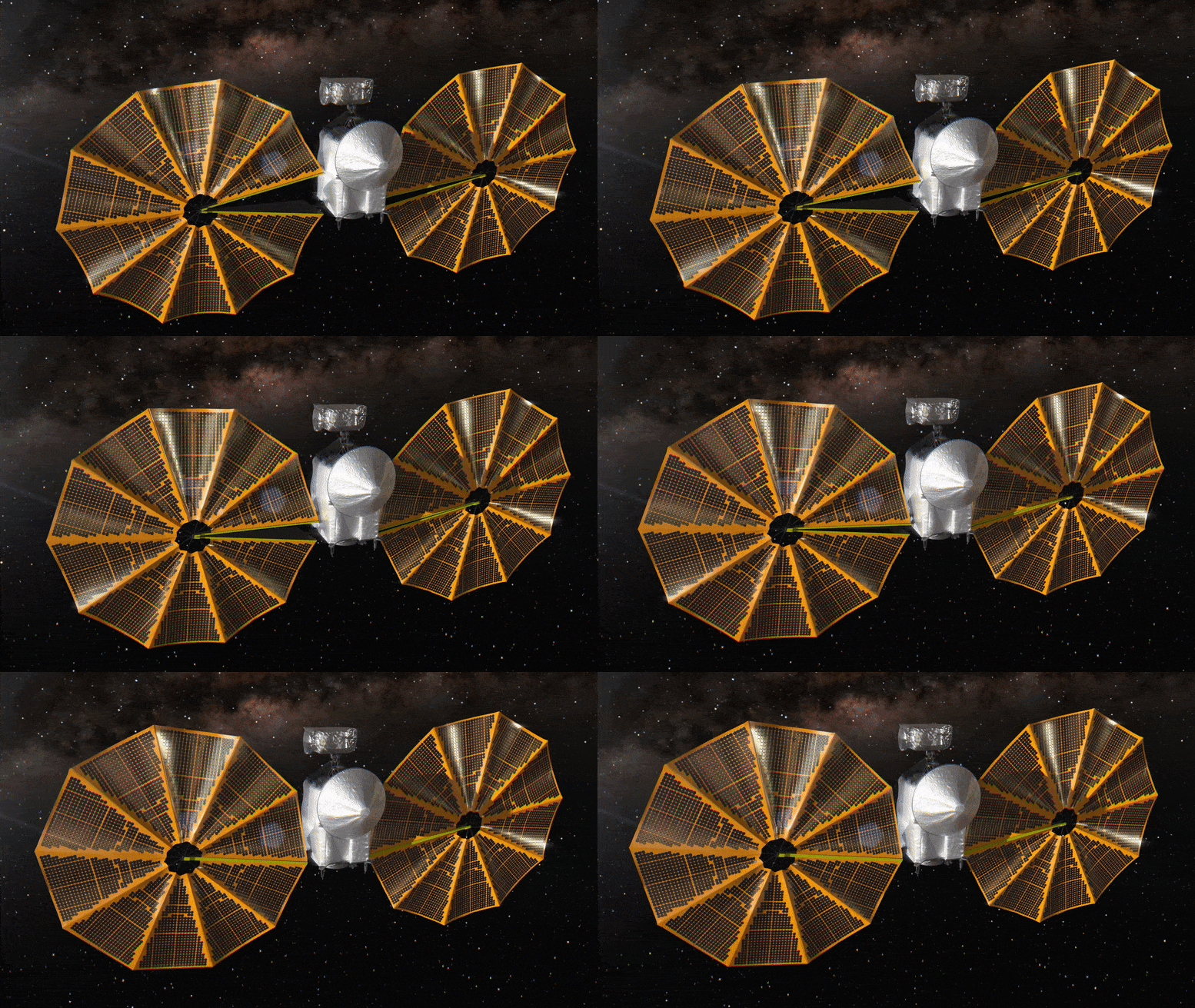
    Lucy Deployment
    NASA’s Lucy spacecraft deploying its solar arrays. Credit: NASA’s Goddard Space Flight Center

    NASA plans to conduct additional ground tests on an engineering model of the Lucy solar array motor and lanyard prior to potentially attempting full deployment of one of the probe’s solar arrays.

    A project team completed an assessment on December 1 of the ongoing solar array issue, which did not appear to fully deploy as planned after launch in late October. Initial ground tests determined additional motor operations are required to increase the probability of the latching Lucy’s array in place as intended, and the team has recommended additional testing.

    Spacecraft operations included discharging and charging the battery while pointed at Earth, moving the spacecraft to point to the Sun, operating the solar array motor with the launch day parameters, moving back to pointing at Earth, and then another battery discharge and recharge. The solar arrays charge the batteries, then the batteries are deliberately discharged, and the solar array circuits are used to recharge the batteries; performing these charging and discharging processes gives the team more information about the solar array circuits.

    The team gathered information on two of the 10 gores – the individual solar array panel segments that make up the full array — that previously had no data. NASA now has data on all 10 gores confirming they are open, producing power as expected, and not stuck together.

    These activities are helping the agency create a robust plan for attempting to fully deploy the array. Additional ground tests using the engineering model setup will validate a two-motor attempt for full deployment. NASA currently is creating a schedule and the resources needed to support that effort, as well as continuing to study the possibility of leaving the array as is.

    Never miss a breakthrough: Join the SciTechDaily newsletter.
    Follow us on Google and Google News.

    Lucy Mission NASA
    Share. Facebook Twitter Pinterest LinkedIn Email Reddit

    Related Articles

    NASA’s Lucy Uncovers Ancient Water Clues on a Weirdly Wobbling Asteroid

    NASA’s Lucy Spacecraft Stretches Its Wings in Successful Solar Panel Deployment Test

    The Fascinating Story of How the Trojan Asteroids – Target of NASA’s Lucy Mission – Were Discovered and Named

    NASA’s Lucy Mission to Study Trojan Asteroids

    NASA’s Lucy Mission to the Trojan Asteroids Integrates its Second Scientific Instrument

    “Eagle Eyes” – First Scientific Instrument Installed on NASA’s Lucy Spacecraft

    NASA’s Big Plans to Explore Small Bodies: DART, Lucy, and Psyche Missions

    NASA’s First Mission to Explore the Trojan Asteroids Passes Critical Milestone

    NASA’s Mission to Jupiter’s Trojan Asteroids Confirms Discovery of “Bonus” Exploration Opportunity

    Leave A Reply Cancel Reply

    • Facebook
    • Twitter
    • Pinterest
    • YouTube

    Don't Miss a Discovery

    Subscribe for the Latest in Science & Tech!

    Trending News

    One of Earth’s Driest Deserts Just Turned White

    A Century-Old Mystery in Cat Kidneys May Finally Have an Answer

    Black Hole Winds Are 100 Times More Powerful Than Astronomers Thought

    “Cancer Melted Away”: Immunotherapy Delivers Striking Results in Bowel Cancer Trial

    Captive Crocodiles Released Into the Wild Did Something Researchers Didn’t Expect

    A Massive 29-Square-Mile Iceberg Hit an Island and Kept Going

    New Mexico’s Largest Reservoir Was Nearly Full. Now It’s at 1.4%

    This Southern-Style Mediterranean Diet Helped People Lose 10 Pounds

    Follow SciTechDaily
    • Facebook
    • Twitter
    • YouTube
    • Pinterest
    • Newsletter
    • RSS
    SciTech News
    • Biology News
    • Chemistry News
    • Earth News
    • Health News
    • Physics News
    • Science News
    • Space News
    • Technology News
    Recent Posts
    • Healthy Foods Like Spinach May Worsen Gut Inflammation in IBD
    • Could a Decades-Old Diabetes Drug Help the Body Age More Slowly?
    • Scientists Say the Universe Isn’t Slowing Down After All
    • A Century-Old Mystery in Venus’s Clouds Just Got Even Stranger
    • The Moon May Be Hiding a 100-Million-Year Record of Exploding Stars
    Copyright © 1998 - 2026 SciTechDaily. All Rights Reserved.
    • Science News
    • About
    • Contact
    • Editorial Board
    • Privacy Policy
    • Terms of Use

    Type above and press Enter to search. Press Esc to cancel.