
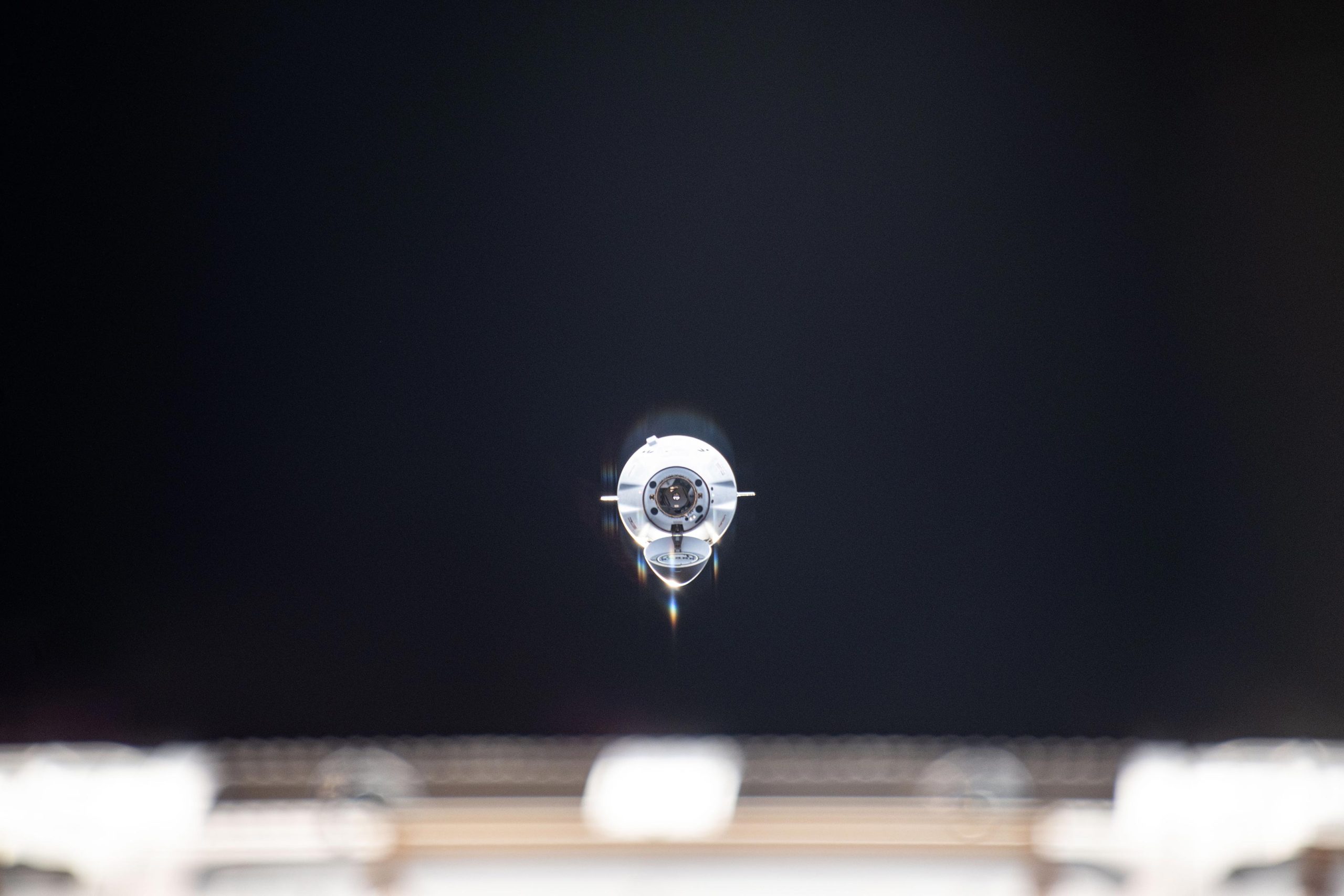
SpaceX’s Dragon capsule just completed its latest mission, returning 6,700 pounds of cutting-edge science experiments and hardware from the International Space Station.
From robotic tentacle arms to hyperspectral imaging tech, the cargo was packed with futuristic tools that could shape the future of space exploration, satellite safety, and even education, thanks to a floating library of children’s books read in zero gravity.
Cargo of Science Returns
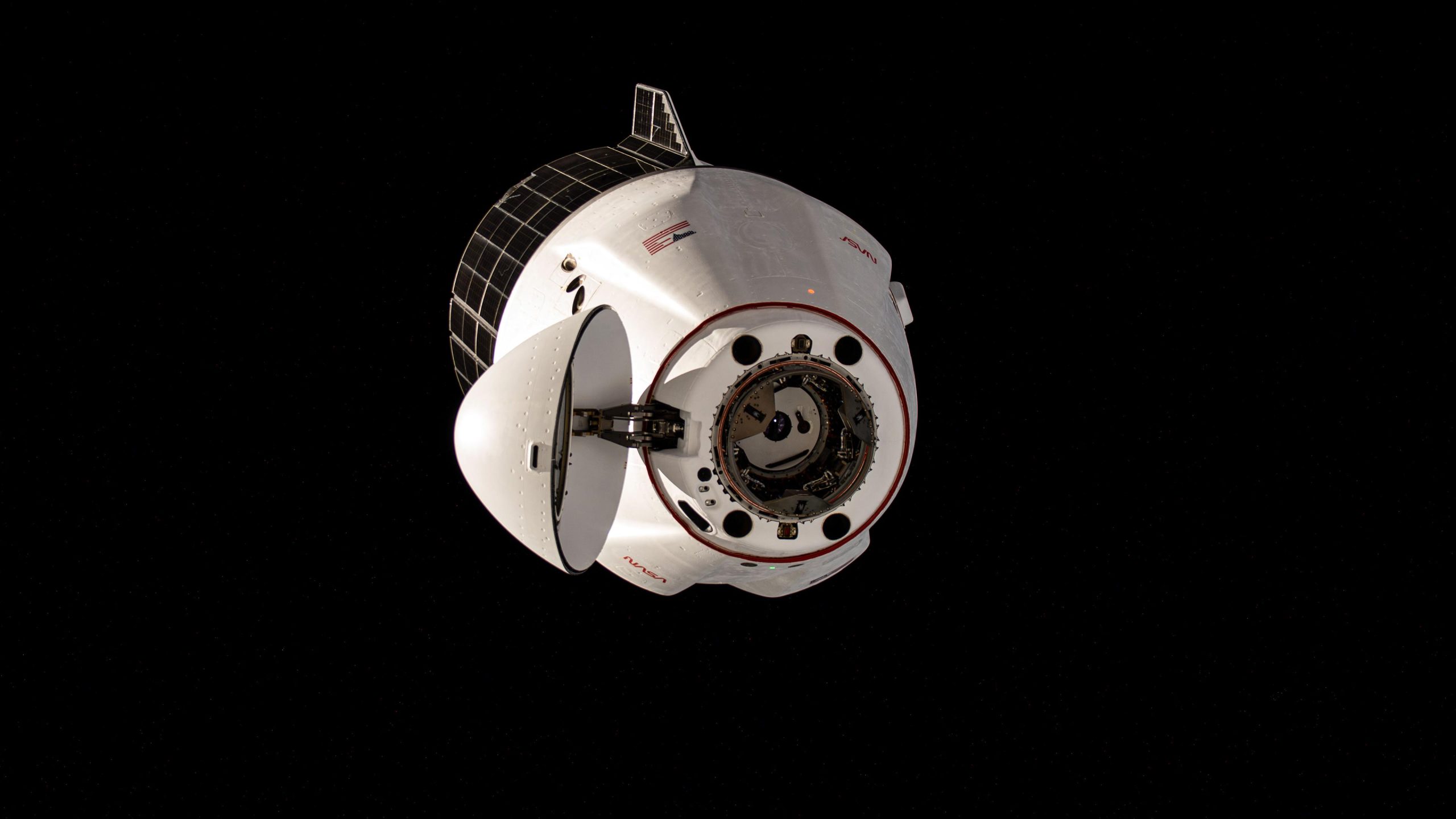
At 1:44 a.m. Eastern time on May 25, the unpiloted SpaceX Dragon spacecraft safely splashed down off the coast of California, completing the company’s 32nd commercial resupply mission to the International Space Station for NASA.
The spacecraft brought back about 6,700 pounds of equipment, supplies, and science experiments. These were designed to take advantage of the unique microgravity conditions aboard the space station. Dragon undocked from the station’s Harmony module on May 23 at 12:05 p.m. before making its journey home.
Testing the Limits of Materials in Space
Among the valuable science cargo was MISSE-20, short for the Multipurpose International Space Station Experiment. This project tested a wide variety of materials by exposing them directly to space. These included radiation shielding, solar sail coatings, ceramic composites for reentry vehicles, and special resins that could one day help build better heat shields.
Mounted on the exterior of the station, these samples endured extreme conditions, such as ultraviolet radiation, atomic oxygen, charged particles, and dramatic temperature swings. By analyzing how these materials hold up in space, scientists can better design spacecraft and satellites for the harsh realities beyond Earth.

Robots With Tentacles: Astrobee-REACCH Success
Additionally, Astrobee-REACCH (Responsive Engaging Arms for Captive Care and Handling) is returning to Earth after successfully demonstrating grasping and relocating capabilities on the space station. The REACCH demonstration used Astrobee robots to capture space objects of different geometries or surface materials using tentacle-like arms and adhesive pads. Testing a way to safely capture and relocate debris and other objects in orbit could help address end-of-life satellite servicing, orbit change maneuvers, and orbital debris removal. These capabilities maximize satellite lifespan and protect satellites and spacecraft in low Earth orbit that provide services to people on Earth.
Story Time From Space Heads Home
Books from the Story Time from Space project also will return. Crew members aboard the space station read five science, technology, engineering, and mathematics-related children’s books in orbit and videotaped themselves completing science experiments. Video and data collected during the readings and demonstrations were downlinked to Earth and were posted in a video library with accompanying educational materials.
OPTICA: Sharper, Faster Space Imagery
Hardware and data from a one-year technology demonstration called OPTICA (Onboard Programmable Technology for Image Compression and Analysis) also will return to Earth. The OPTICA technology was designed to advance transmission of real-time, ultra-high-resolution hyperspectral imagery from space to Earth, and it provided valuable insights for data compression and processing that could reduce the bandwidth required for communication, lowering the cost of acquiring data from space-based imaging systems without reducing the volume of data. This technology also could improve services, such as disaster response, that rely on Earth observations.
Launch and Arrival Timeline
The spacecraft arrived at the orbiting laboratory on April 22 after launching on April 21 on a Falcon 9 rocket from Launch Complex 39A at NASA’s Kennedy Space Center in Florida.
A Quarter Century of Space Station Research
The International Space Station (ISS) has been continuously inhabited for over 24 years, serving as a unique laboratory in low Earth orbit where astronauts from around the world conduct cutting-edge research. This orbiting outpost plays a vital role in advancing scientific knowledge and developing technologies that benefit life on Earth. It also supports the future of space exploration, providing insights and testing capabilities crucial for upcoming missions to the Moon through NASA’s Artemis program, and eventually, human missions to Mars. In addition to its scientific and exploratory goals, the ISS fosters commercial opportunities in space, helping to pave the way for a new era of human activity beyond our planet.
Never miss a breakthrough: Join the SciTechDaily newsletter.
Follow us on Google and Google News.
1 Comment
thank you