
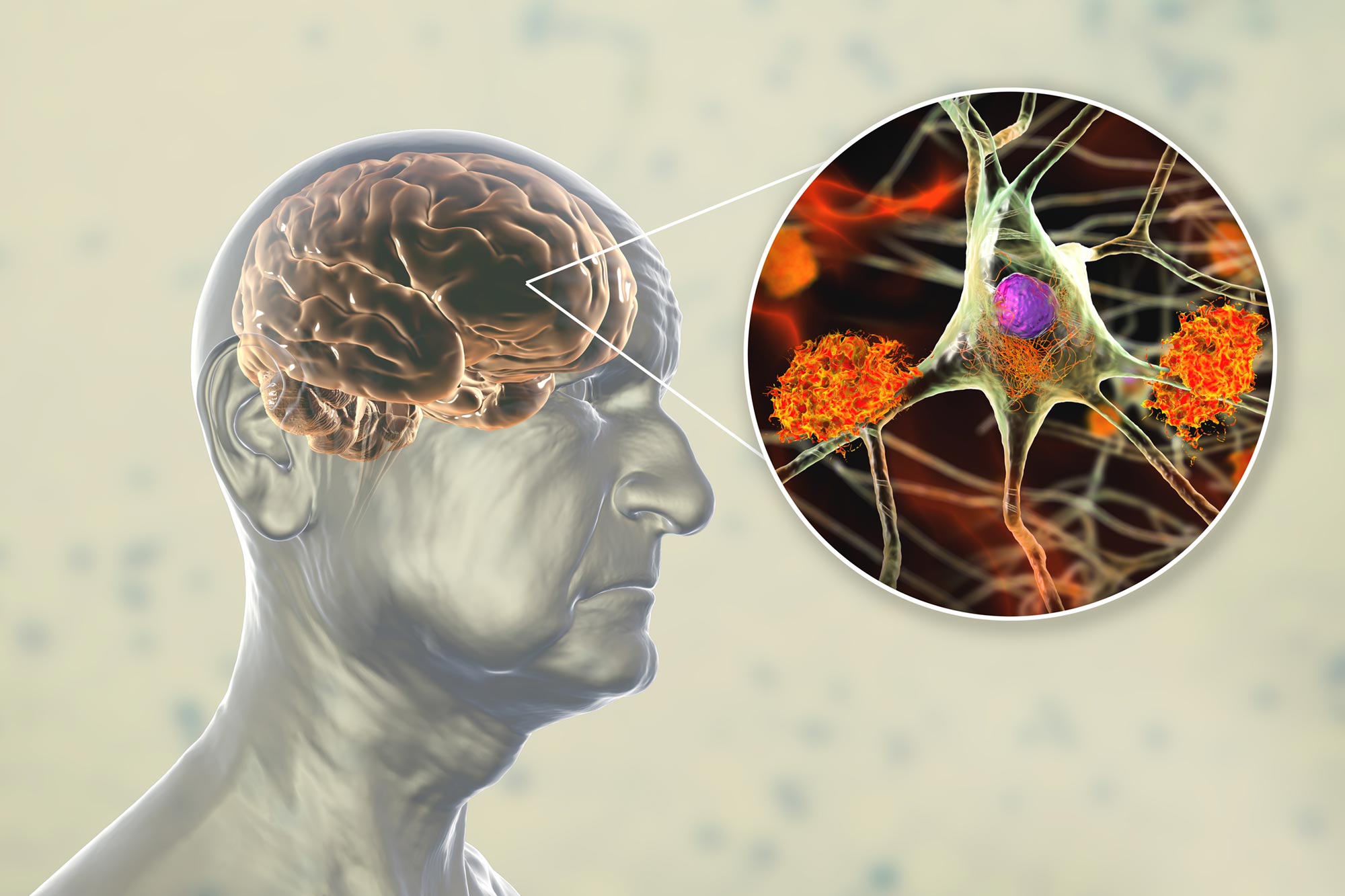
Polyphenol-rich foods may support healthy brain aging, but no single food or diet has been shown to prevent dementia.
A cup of tea, a handful of berries, or a drizzle of extra virgin olive oil contains plant compounds that may influence processes tied to brain aging. A review by Semmelweis University researchers suggests that these compounds, known as polyphenols, could support biological pathways connected to Alzheimer’s disease and other conditions involving the progressive loss of nerve cells. The analysis was published in Nutrients.
The researchers examined hundreds of laboratory, animal, population-based, and clinical studies. Together, the findings indicate that polyphenols may help maintain nerve cell function through antioxidant and anti-inflammatory activity while countering some of the damaging processes associated with an aging brain.
Plant-rich diets provide key polyphenols
The review gave particular attention to the Mediterranean diet, which emphasizes vegetables, fruits, legumes, whole grains, fish, and olive oil. It also examined the MIND diet, a variation designed specifically to support brain health by prioritizing leafy greens and berries while reducing red meat, butter, cheese, sweets, fried foods, and fast food.
Compounds commonly investigated included EGCG, a major antioxidant in green tea; the pigments that give berries their color; cocoa flavanols; and curcumin, which produces turmeric’s distinctive yellow color. These substances occur widely in plant-based eating patterns, including the Mediterranean diet.

“Polyphenols are not miracle cures, but research suggests they may be promising tools for supporting healthy brain aging. The focus, however, should not be on dietary supplements but on a varied diet rich in plant-based foods,” said Dr. Mónika Fekete, Assistant Professor at the Institute of Preventive Medicine and Public Health of Semmelweis University and senior author of the study.
Gut bacteria shape individual responses
The body does not absorb many polyphenols directly. Instead, gut bacteria convert them into other compounds that may affect inflammation, cellular energy use, and, through those pathways, nervous system function. Because each person’s gut microbiome has a different composition, identical foods may not produce the same biological response in everyone.
“This may help explain why the same diet does not affect everyone in the same way. In the future, personalized nutrition could help us better understand who is most likely to benefit from a polyphenol-rich diet,” said Dr. Noémi Mózes, Assistant Professor at the Institute of Preventive Medicine and Public Health of Semmelweis University and first author of the study.

Dementia makes prevention increasingly urgent
More than 55 million people worldwide are living with dementia, according to the World Health Organization (WHO), and that total is expected to increase in the decades ahead. Because dementia is one of the major health challenges associated with aging, researchers are paying closer attention to lifestyle factors, including diet, that might help protect brain health and lower the risk of cognitive decline.
Despite promising results from studies involving people, the evidence is not strong enough to recommend any individual food or nutrient as a stand-alone method for preventing dementia.
The authors emphasize that healthy brain aging is more likely to depend on long-term dietary habits than on a single “superfood.” No miracle diet has been shown to prevent Alzheimer’s disease. However, current evidence suggests that regularly eating vegetables, fruits, berries, fiber-rich foods, fish, and nuts while reducing highly processed foods may support brain health and help preserve cognitive function over time.
Reference: “Dietary Polyphenols in Brain Aging: Molecular Mechanisms and Implications for Neurodegeneration” by Noémi Mózes, János Tamás Varga, Dominik Szwajgier, Agata Kryczyk-Poprawa, Virág Zábó, Andrea Lehoczki, Ágnes Lipécz, Tamás Csípő, Vince Fazekas-Pongor, Dávid Major, Péter Varga, Attila Matiscsák and Mónika Fekete, 4 May 2026, Nutrients.
DOI: 10.3390/nu18091470
Project No. TKP2021-NKTA-47 was funded by the National Research, Development and Innovation Fund of Hungary under the TKP2021-NKTA scheme, with support from the Ministry of Innovation and Technology. This research was also supported by the Ministry of Innovation and Technology under the National Cardiovascular Laboratory Program (RRF-2.3.1-21-2022-00003), funded by the National Research, Development and Innovation Fund. In addition, this work received funding from the European University for Well-Being (EUniWell) program (grant agreement No. 101004093/EUniWell/EAC-A02-2019/EAC-A02-2019-1). This work was further supported by the Cooperative Translational Research Program (KTKP) of the Faculty of Medicine, Semmelweis University.
Never miss a breakthrough: Join the SciTechDaily newsletter.
Follow us on Google and Google News.
2 Comments
It’s funny that you leave out polyphenol rich coffee and wine. And you implicate red meat as having a negative affect on brain health and life expectancy when there is no compelling evidence for that belief. It seems you have some kind of “pollyanna’ bias, much like the people that believed coffee was from the devil, because the “middle eastern infidels” drank it. Are you biased toward vegetarianism? Consuming polyphenols with red meat has a positive effect on the digestion of meat… did you know that? And btw, eating red meat from pasture raised cattle is not equivalent to eating processed hot dogs from factory raised cattle..
https://pmc.ncbi.nlm.nih.gov/articles/PMC8881926/
https://www.mdpi.com/2076-3921/12/12/2103
red meat feeds bad bacteria. end of story