
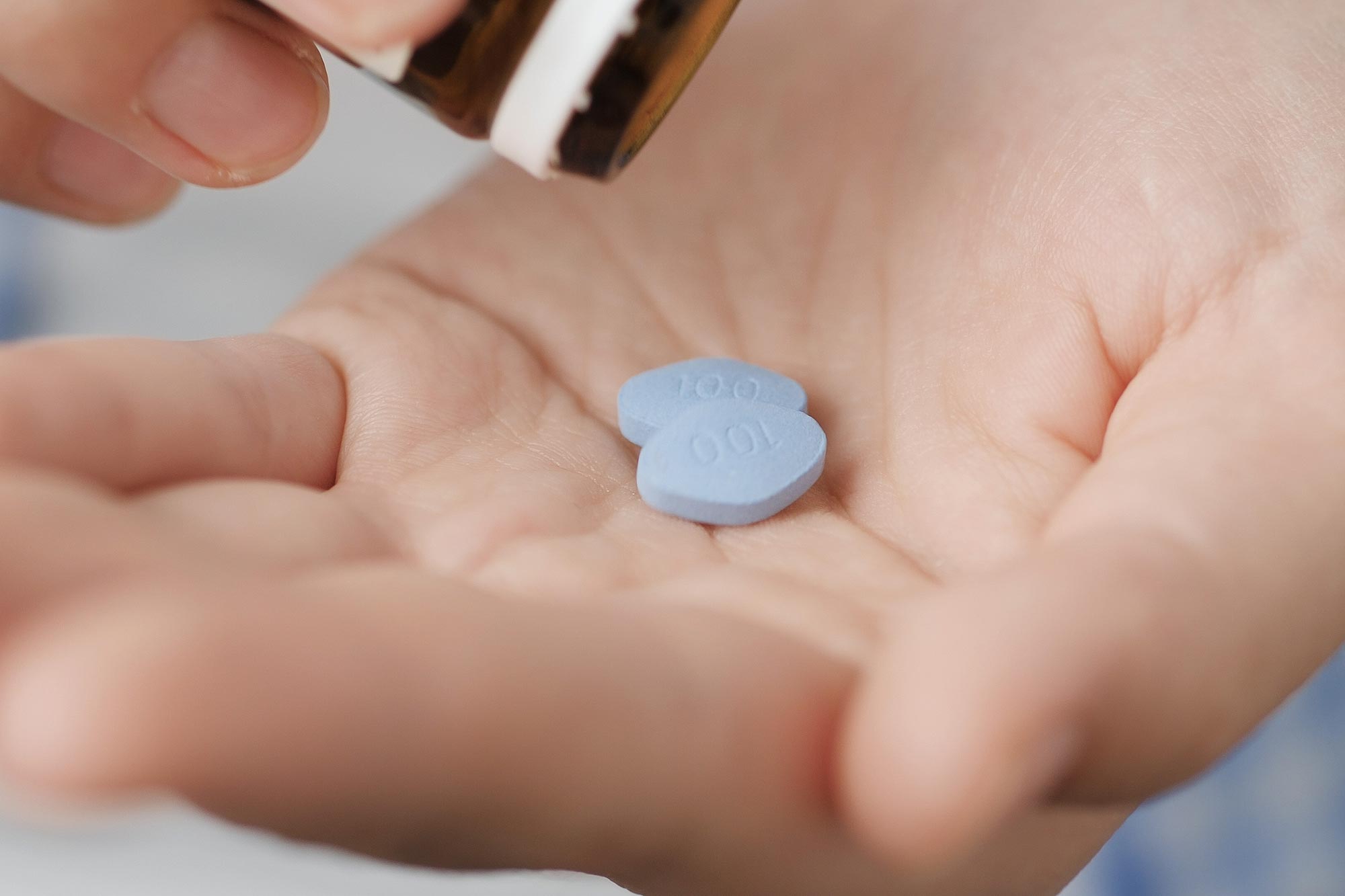
Scientists identified mutations in the CPD gene as a cause of congenital hearing loss, showing that they damage the inner ear’s sensory cells by disrupting arginine and nitric oxide signaling.
Experiments in animals revealed that arginine and sildenafil (Viagra) could help repair these pathways and restore hearing function.
Discovery of a Gene Behind Rare Hearing Loss
Mutations in a gene called CPD have been found to play a key role in a rare inherited form of hearing loss, according to a new international study. Researchers from the University of Chicago, the University of Miami, and several institutions in Turkiye published their findings in the Journal of Clinical Investigation. The study revealed that the CPD gene, best known for modifying proteins, also influences how the inner ear functions. Importantly, the scientists identified two potential ways to treat the condition.
“This study is exciting because we found a new gene mutation that’s linked to deafness, and more importantly we have a therapeutic target that can actually mitigate this condition,” said lead author Rong Grace Zhai, PhD, Jack Miller Professor for the Study of Neurological Diseases of Neurology at UChicago. Although the study focused on individuals with a rare combination of mutations to the CPD gene, there could be broader implications if single mutations are linked to age-related hearing loss, she added.
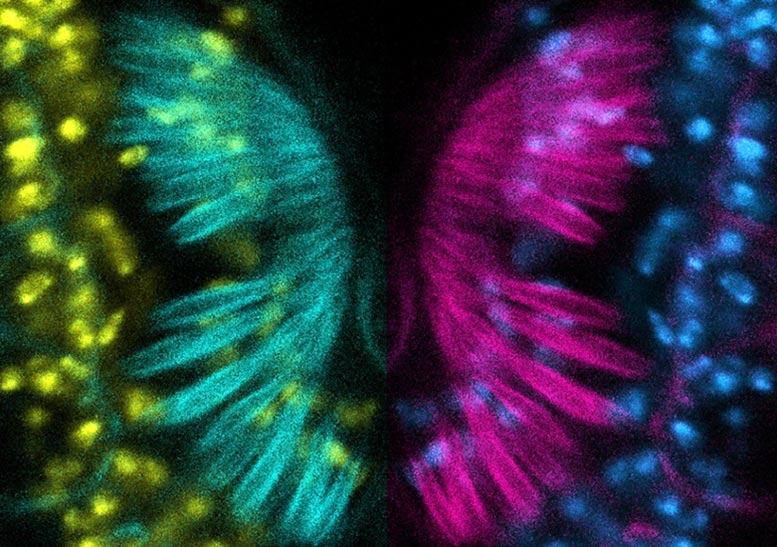
The CPD–Hearing Loss Connection
The investigation into CPD began when researchers found a specific set of mutations shared by three unrelated families from Turkiye who had a congenital form of deafness known as sensorineural hearing loss (SNHL).
SNHL is hereditary, typically diagnosed in early childhood, and leads to permanent hearing impairment that is generally considered irreversible. Although hearing aids and cochlear implants can enhance hearing, no approved medical treatment currently addresses the root cause of the condition.
Further analysis of genetic databases revealed that other individuals with CPD mutations also exhibited signs of early-onset hearing loss, reinforcing the gene’s connection to auditory function.
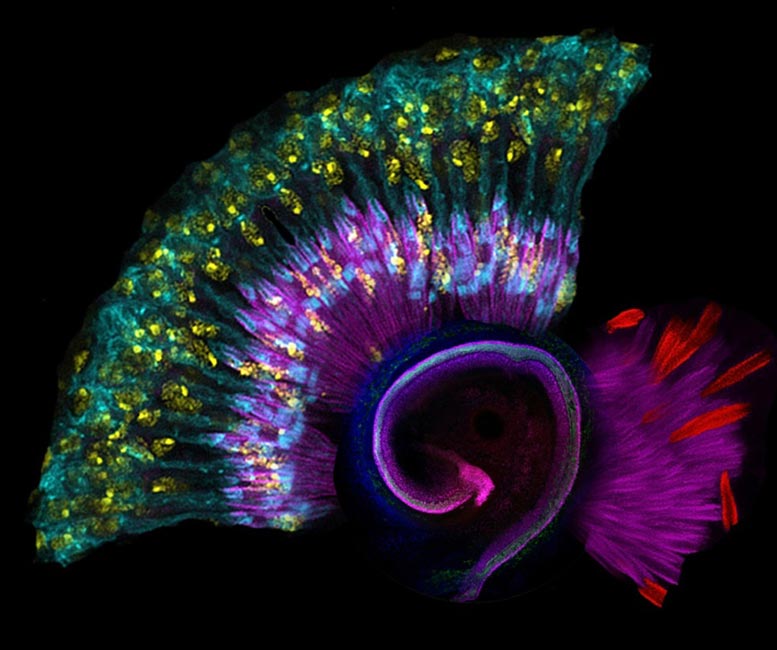
How CPD Protects Sensory Cells
To understand CPD’s role in hearing, the team conducted experiments using mice. The CPD gene normally produces an enzyme involved in generating the amino acid arginine, which in turn helps create nitric oxide, a crucial neurotransmitter responsible for transmitting signals through the nervous system.
By examining the mouse inner ear, which closely resembles that of humans, the researchers discovered that mutations in CPD interrupted this pathway. The disruption triggered oxidative stress and led to the death of sensory hair cells—tiny structures responsible for detecting sound vibrations.
“It turns out that CPD maintains the level of arginine in the hair cells to allow a quick signaling cascade by generating nitric oxide,” Zhai explained. “And that’s why, although it’s expressed ubiquitously in other cells throughout the nervous system, these hair cells in particular are more sensitive or vulnerable to the loss of CPD.”
Insights From Fruit Flies
The team also used fruit flies as a model to study the effects of CPD changes. They found that fruit flies with the CPD mutations showed behavioral changes consistent with inner ear damage, like hearing loss and balance problems.
Finally, researchers tested two approaches to treating the disrupted pathway: arginine supplements to compensate for the arginine lost due to the CPD mutation, and the drug sildenafil (Viagra), which they knew would stimulate one of the pathways affected by the loss of nitric oxide. Both approaches improved cell survival in patient cells and reduced hearing-loss behaviors in fruit flies.
Repurposing Existing Drugs for Rare Diseases
“What makes this really impactful is that not only do we understand the underlying cellular and molecular mechanism for this kind of deafness, but we also found a promising therapeutic avenue for these patients. It is a good example of our efforts to repurpose FDA-approved drugs for treating rare diseases,” Zhai said.
The study also demonstrates the value of fruit fly models for studying neurological diseases, including age-related conditions, Zhai noted. “They give us the capability to not only understand disease pathology, but also to identify therapeutic approaches,” she said.
Future Directions and Broader Implications
Next, the researchers plan to conduct additional studies to gain a deeper understanding of the nitric oxide signaling pathway and its role in the sensory system of the inner ear. They also want to study the prevalence of CPD mutations in larger populations.
“How many people carry variants in this gene and is there a susceptibility to deafness or age-dependent hearing loss?” she said. “In other words, is this a risk factor for other types of sensory neuropathy?”
Reference: “Carboxypeptidase D deficiency causes hearing loss amenable to treatment” by Memoona Ramzan, Natalie Ortiz-Vega, Mohammad Faraz Zafeer, Amanda G. Lobato, Tahir Atik, Clemer Abad, Nirmal Vadgama, Duygu Duman, Nazım Bozan, Enise Avcı Durmuşalioǧlu, Sunny Greene, Shengru Guo, Suna Tokgöz-Yılmaz, Merve Koç Yekedüz, Fatma Tuba Eminoğlu, Mehmet Aydın, Serhat Seyhan, Ioannis Karakikes, Vladimir Camarena, Maria Camila Robayo, Tijana Canic, Güney Bademci, Gaofeng Wang, Amjad Farooq, Mei-ling Joiner, Katherina Walz, Daniel F. Eberl, Jamal Nasir, R. Grace Zhai and Mustafa Tekin, 30 September 2025, The Journal of Clinical Investigation.
DOI: 10.1172/JCI192090
Additional authors include Memoona Ramzan, Mohammad Faraz Zafeer, Clemer Abad, Sunny Greene, Shengru Guo, Vladimir Camarena, Maria Camila Robayo, Güney Bademci, Gaofeng Wang, Amjad Farooq, Katherina Walz, and Mustafa Tekin from the University of Miami; Natalie Ortiz-Vega, Amanda G. Lobato, and Tijana Canic from the University of Chicago; Tahir Atik, and Enise Avcı Durmuşalioǧlu from Ege University, Turkiye; Nirmal Vadgama, and Ioannis Karakikes from Sanford University; Duygu Duman, Suna Tokgöz-Yılmaz, Merve Koç Yekedüz, and Fatma Tuba Eminoğlu from Ankara University, Turkiye; Nazim Bozan, and Mehmet Aydın from Yüzüncü Yıl University, Turkiye; Serhat Seyhan from Memorial Şişli Hospital, Turkiye; Mei-ling A Joiner, and Daniel F Eberl from the University of Iowa; and Jamal Nasir from the University of Northampton, UK.
Never miss a breakthrough: Join the SciTechDaily newsletter.
Follow us on Google and Google News.
1 Comment
Does it really work