
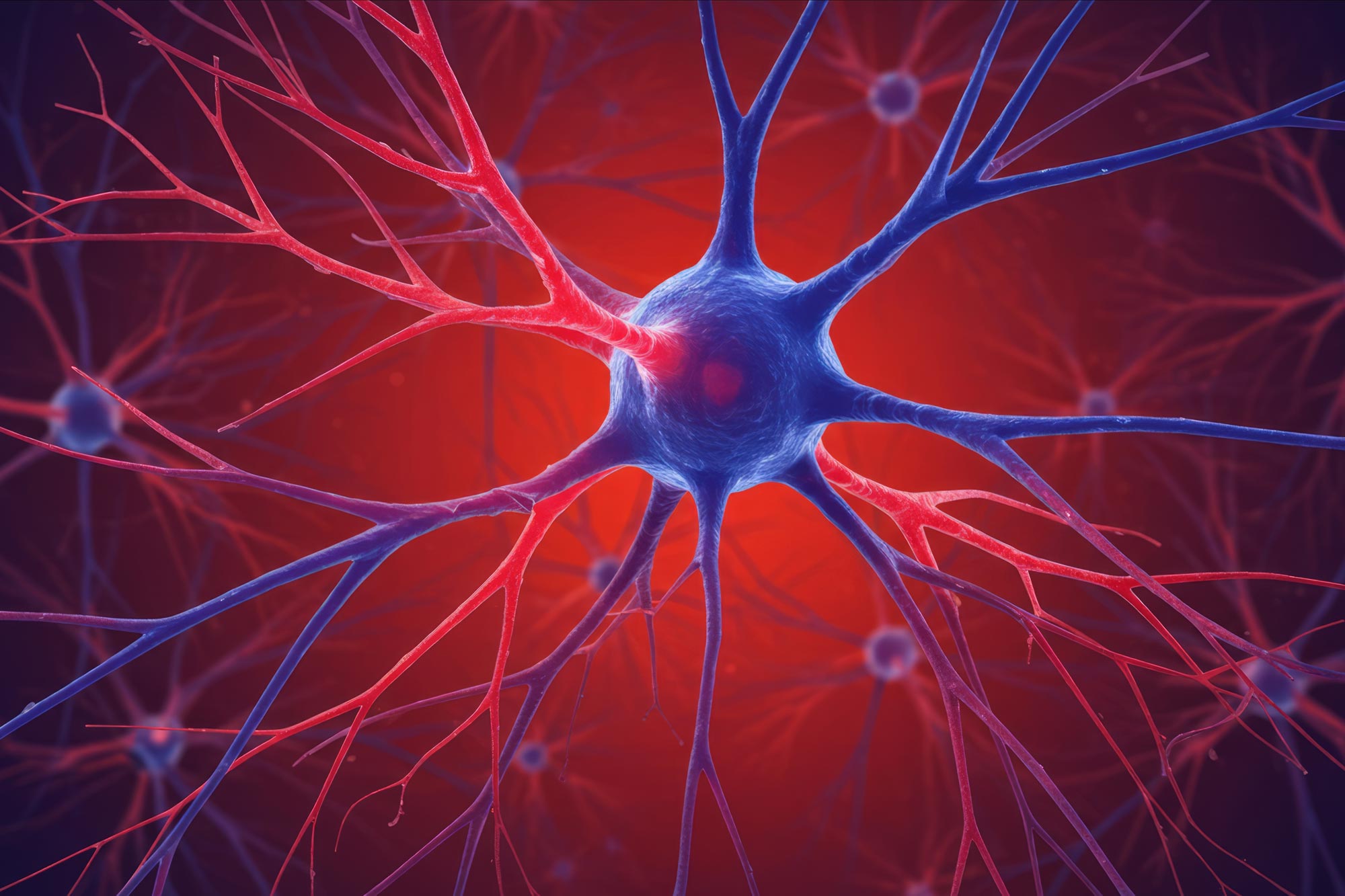
Scientists discovered why some neurons resist tau toxicity, identifying CRL5SOCS4 as a crucial defense and linking mitochondrial stress to harmful tau fragments.
New research by UCLA Health and UC San Francisco has uncovered why certain brain cells are more resilient than others to the buildup of a toxic protein that is a hallmark of Alzheimer’s disease and related dementias, potentially leading to new targets for therapies or treatments.
The research, published in the journal Cell, relied on an advanced CRISPR-based genetic screening method applied to human brain cells grown in the laboratory. The team focused on how cells control tau, a protein that can accumulate into toxic clusters. These clumps damage and eventually kill neurons, contributing to diseases such as frontotemporal dementia and Alzheimer’s disease. Tau is the most common protein involved in neurodegenerative disorders, yet scientists have not fully understood why it harms some types of neurons more than others.
Systematic Gene Screening Identifies CRL5SOCS4
To address this question, UCLA and UCSF scientists used lab-grown neurons along with a gene-editing technique known as CRISPRi to examine how individual genes and cellular pathways influence tau buildup. Through this systematic approach, they identified a protein complex called CRL5SOCS4 that helps label tau for breakdown and removal. Strengthening this built-in defense, the researchers suggest, could become a promising strategy for combating neurodegenerative diseases that affect millions of Americans.
“We wanted to understand why some neurons are vulnerable to tau accumulation while others are more resilient,” said study first author Dr. Avi Samelson, assistant professor of Neurology at UCLA Health, who conducted the research while at UCSF. “By systematically screening nearly every gene in the human genome, we found both expected pathways and completely unexpected ones that control tau levels in neurons.”
The team used neurons derived from human stem cells to test what happens when specific genes are reduced or switched off. Out of more than 1,000 genes linked to tau regulation, CRL5SOCS4 stood out. This complex adds molecular tags to tau, directing it to the cell’s recycling system so it can be broken down safely.
Importantly, analysis of brain tissue from Alzheimer’s patients revealed that higher expression of CRL5SOCS4 components made neurons more likely to survive despite the accumulation of tau protein.
Mitochondrial Stress Triggers Toxic Tau Fragments
The study also uncovered a surprising link between problems in mitochondria and tau toxicity. When researchers interfered with mitochondria, the structures that supply cells with energy, neurons began producing a specific fragment of tau that measures about 25 kilodaltons. This fragment closely matches NTA-tau, a biomarker detected in the blood and spinal fluid of Alzheimer’s patients.
“This tau fragment appears to be generated when cells experience oxidative stress, which is common in aging and neurodegeneration,” Samelson said. “We found that this stress reduces the efficiency of the proteasome, the cell’s protein recycling machine, causing it to improperly process tau.”
Further experiments showed that this altered tau fragment changes how tau proteins stick together in laboratory tests, a shift that could influence how the disease progresses in the brain.
New Therapeutic Paths and Validation in Human Neurons
The findings provide several promising leads for therapeutic development. Enhancing CRL5SOCS4 activity could help neurons clear tau more effectively, while strategies to maintain proteasome function during stress might prevent the formation of toxic tau fragments.
“What makes this study particularly valuable is that we used human neurons carrying an actual disease-causing mutation,” Samelson said. “These cells naturally have differences in tau processing, giving us confidence that the mechanisms we identified are relevant to human disease.”
The research also highlights the power of systematic genetic screening to reveal disease mechanisms. The team identified several unexpected pathways including a protein modification system called UFMylation and enzymes involved in building cellular membrane anchors, that had not previously been linked to tau regulation.
Cautious Optimism and Research Support
While the findings are promising, researchers emphasized that translating these discoveries into treatments will require additional research.
Reference: “CRISPR screens in iPSC-derived neurons reveal principles of tau proteostasis” by Avi J. Samelson, Nabeela Ariqat, Justin McKetney, Gita Rohanitazangi, Celeste Parra Bravo, Rudra S. Bose, Kyle J. Travaglini, Victor L. Lam, Darrin Goodness, Thomas Ta, Gary Dixon, Emily Marzette, Julianne Jin, Ruilin Tian, Eric Tse, Romany Abskharon, Henry S. Pan, Emma C. Carroll, Rosalie E. Lawrence, Jason E. Gestwicki, Jessica E. Rexach, David S. Eisenberg, Nicholas M. Kanaan, Daniel R. Southworth, John D. Gross, Li Gan, Danielle L. Swaney and Martin Kampmann, 28 January 2026, Cell.
DOI: 10.1016/j.cell.2025.12.038
The study was funded by the Rainwater Charitable Foundation/Tau Consortium, the National Institutes of Health and other sources.
Never miss a breakthrough: Join the SciTechDaily newsletter.
Follow us on Google and Google News.